Technological innovation
How Does a Pain Patch Work: The Short, Honest Answer
Technological innovation 2026-08-20 09:00:44 182 views admin
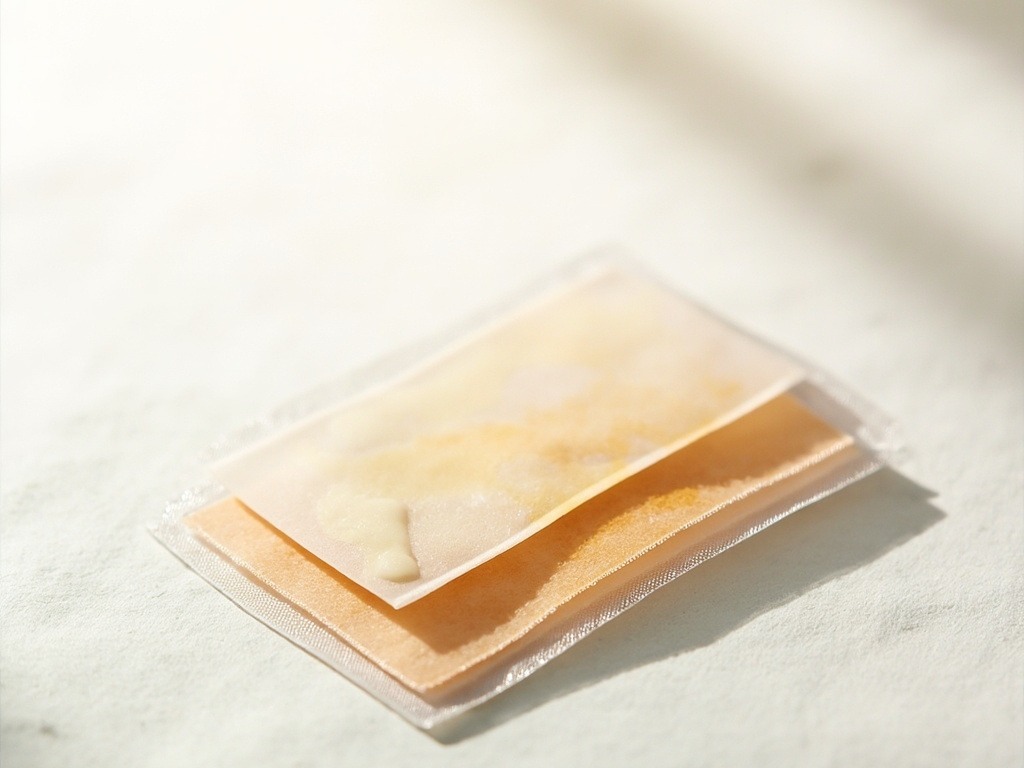
Best for: first-time patch buyers, people comparing patch vs cream vs pill, athletes managing muscle soreness, caregivers helping an older relative, formulators curious about transdermal basics.
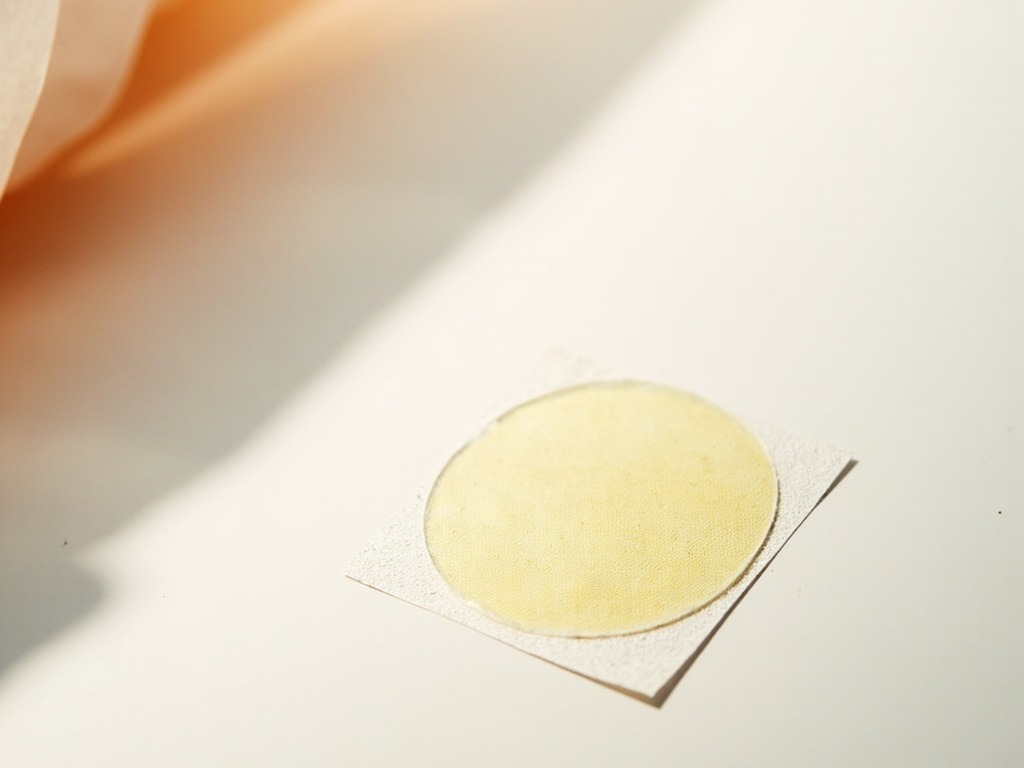
A pain patch is a thin adhesive disc that holds a measured dose of an active ingredient against your skin for several hours, then releases that ingredient on a controlled schedule so it crosses the skin barrier, enters the local tissue or bloodstream, and reaches the nerve receptors that signal pain. The skin is not a wall that absorbs whatever sits on top of it. It is a layered, semi-permeable membrane, and the patch is engineered to work with that membrane's biology, not against it.
What the patch actually contains
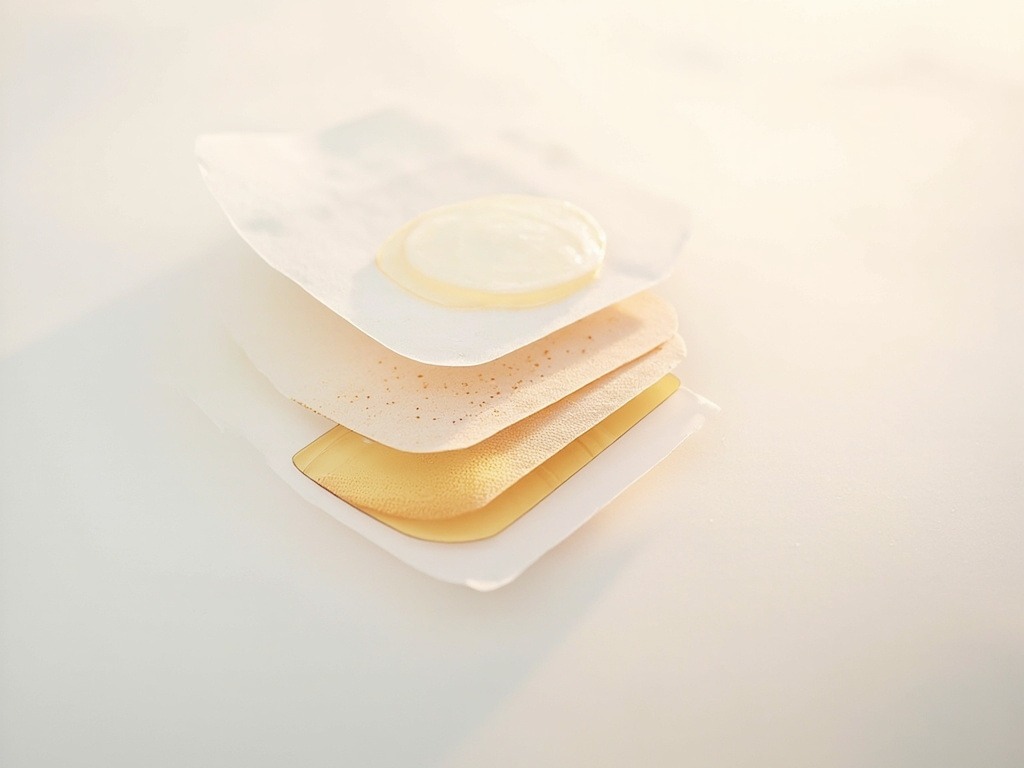
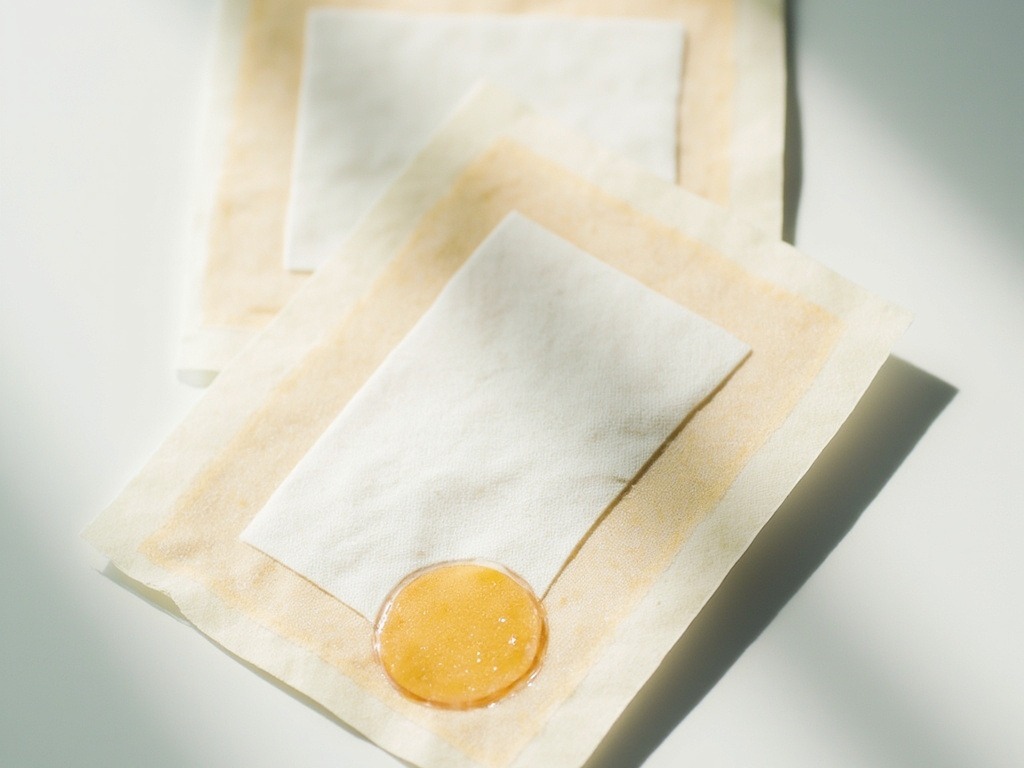
Inside a typical over-the-counter or prescription patch you will find three working layers stacked like a small sandwich:
- A backing film on the outside, usually a soft polymer or fabric, that keeps the active ingredient from rubbing off on clothes and from being washed away by sweat.
- A reservoir or matrix that holds the active ingredient in a gel, a solid polymer, or a micro-reservoir grid. This layer is what controls how fast the drug leaves the patch each hour.
- An adhesive layer that grips the stratum corneum, the tough10–20 micrometre outermost sheet of dead skin cells, and keeps the device in place during normal movement.
Some patches also include a rate-controlling membrane between the reservoir and the skin. Lidocaine, menthol, capsaicin, diclofenac, fentanyl, and nicotine are all delivered this way, although each uses a different chemistry and a different release curve.
The skin-layer walkthrough: epidermis to bloodstream
Once the patch is stuck on clean, dry skin, the journey of the active ingredient happens in three stages that match the skin's own anatomy.
The stratum corneum is the rate-limiting step. It is built from flat, dead cells called corneocytes packed with keratin and held together by a lipid mortar of ceramides, cholesterol, and free fatty acids. Most actives move through this layer by passive diffusion along the concentration gradient between the patch and the skin below. The pace depends on the molecule's molecular weight (under about 500 Daltons crosses easily), its lipophilicity, and the temperature of the skin, which is why a warm shower can briefly speed uptake.
Below the stratum corneum sits the viable epidermis, roughly 50–100 micrometres of living keratinocytes. The active ingredient begins to partition into this watery layer, and some of it binds to local receptors here. For topical patches designed for surface pain, this is where most of the work finishes, before the drug has a chance to enter the bloodstream.
The third stage is the dermis, a1–2 millimetre bed of collagen and blood vessels. For systemic patches (hormones, certain painkillers, nicotine), the active is picked up by the capillary network and distributed through the circulatory system, reaching tissues far from the application site. Local patches that target a sore joint may keep most of the dose in the underlying fascia, where it can bathe nearby nerves without a large systemic spike.
Why concentration in the patch is not the same as effect
Buyers often assume that a 5 percent lidocaine patch is twice as strong as a 2.5 percent one. It is not that simple. What matters is the flux: how many milligrams per square centimetre per hour actually cross the barrier and arrive at the receptor. Three things drive that flux, and concentration is only one of them:
| Factor | What it controls | Why it matters to a buyer |
|---|---|---|
| Molecular size and lipophilicity | Ability to slip between corneocytes | Small, fat-soluble molecules reach deeper tissue faster |
| Occlusion from the backing film | Hydration of the stratum corneum | A sealed patch swells the outer skin layer and can boost permeation 5–10 fold compared with a cream left open to air |
| Reservoir design | Release rate over time | Some patches are designed to deliver a steady low dose for 8 hours, others front-load the dose in the first hour |
A cheap patch with a higher percentage of active ingredient but a poor reservoir may deliver less to the tissue than a well-engineered lower-dose patch. Comparing labels alone is misleading.
Patch versus cream versus oral: a fair comparison
Each delivery route has trade-offs that match different situations, and the patch is not automatically the best choice for everyone.
| Route | Onset | Duration per dose | Systemic exposure | Best fit |
|---|---|---|---|---|
| Adhesive patch | 30–60 minutes for most topicals | 4–12 hours, sometimes up to 72 | Low for local patches, controlled for systemic ones | Steady relief during a work shift or sleep, hands-free dosing |
| Topical cream or gel | 10–20 minutes | 2–4 hours before reapplication | Low | Sudden flare-ups, small awkward areas, quick rub-in |
| Oral tablet or capsule | 20–45 minutes | 4–8 hours depending on half-life | High, passes through the liver first pass | Widespread pain, inflammation deep inside the body, when topical absorption is too slow |
The patch shines when you want predictable dosing over several hours without remembering to re-dose, and when you want to avoid the gastrointestinal side effects that come with oral painkillers. A cream wins for fast, localised relief of an ankle you twisted twenty minutes before training. Oral medication is still the right answer when pain is deep and diffuse, or comes with systemic inflammation.
A5-line risk box worth reading before you stick one on
- Skin irritation: redness, itching, or a contact rash at the application site is the most common complaint and usually clears within 24 hours of removal.
- Heat exposure: a heating pad, hot bath, or intense exercise on top of a patch can accelerate permeation and deliver more drug than the label intended.
- Drug interactions: systemic patches share the same interactions as the oral form of the same drug, so check with a pharmacist if you take other regular medication.
- Damaged or broken skin: never apply a patch to cuts, rashes, or freshly shaved skin, since permeation through wounded tissue can be unpredictable.
- Disposal: used patches still contain residual active ingredient, so fold them sticky-side in and keep them away from pets and children.
How to tell if a patch is doing its job
Give a new patch an honest trial window of three to seven days for chronic complaints, or one full wear cycle for acute soreness. Track two simple numbers: the pain score on a 0–10 scale before you apply, and the same score at the midpoint of the wear time. If the midpoint number drops by two points or more and you see no skin reaction, the patch is working for you. If you see no change after three full cycles, the active ingredient or the dose is probably wrong for your situation, and a cream, a different active, or an oral option may serve you better.
Boundary conditions the marketing copy usually skips
A patch cannot deliver a molecule larger than roughly 500 Daltons efficiently, which is why peptides and most biologics are not available as patches today. It also cannot deliver drugs that need very high blood levels quickly, because skin permeation is intrinsically a slow process measured in milligrams per square centimetre per hour, not in boluses. Hairy, sweaty, or highly contoured body parts such as the middle of the back, the armpit, or over a joint that bends constantly will lift the edges and break the seal, which collapses the occlusion effect and drops flux. If your target area is one of those, plan to rotate sites, secure the patch with a stretchy overlay, or pick a different format.
Quick buyer checklist before you choose a patch
Use this short list when you compare two products on a shelf or in a cart. It is meant to replace guesswork with a few useful questions that take under a minute to answer.
- What is the active ingredient and what is its dose per patch, in milligrams, not just as a percentage?
- How long is the documented wear time, and is that time matched to your typical pain episode (a work shift, a night, a long flight)?
- Is the backing film breathable or fully occlusive, and is that appropriate for the skin site you plan to use?
- Does the adhesive leave a residue, and have other customers with sensitive skin reported reactions?
- For chronic pain, has the manufacturer published a stability or shelf-life range that you can store at room temperature, typically up to 25°C?
Limitations and safety notes
This article is a general explanation of how transdermal pain patches work. It is not medical advice and should not replace a conversation with a qualified clinician, especially if you are pregnant, breastfeeding, managing a chronic condition, or already taking other medication. Always read the patient information leaflet that comes with the specific product, follow the maximum wear time printed on the packaging, and remove a patch immediately if you develop any skin reaction. If pain persists beyond a week of correct use, or gets worse, that is the signal to seek a professional assessment rather than to keep reapplying.
Henan Hanmeng Bio-Tech supplies private-label pain-patch manufacturing for brands that want to launch or extend a topical analgesic line, with formulation support across common actives and release profiles.
CATEGORIES
LATEST NEWS
- Sinew-Bone Pain-Bi Patch Private Label Manufacturer Supply Agreements
- What Hand Mask Custom Packaging Supplier Quotes Overlook
- Kids Herbal Foot Patch Contract Manufacturer: Safety Specifications First
- Mugwort Steam Eye Mask Private Label Manufacturer Readiness Check
- Mugwort Essential Oil Custom Formula Supplier: Formulation Approval Milestones
CONTACT US
QQ: 396269538
Phone: 17796669065
Tel: 17796669065
Email: 396269538
Add: Room 001, 1st Floor, Building 1, Zhengzhou Hangmei International Smart City, Intersection of S102 and Nanquan Road, Xuedian Town, Xinzheng City, Zhengzhou, Henan Province, China