Technological innovation
sciatic nerve pain relief patch
Technological innovation 2026-08-04 09:30:13 136 views admin
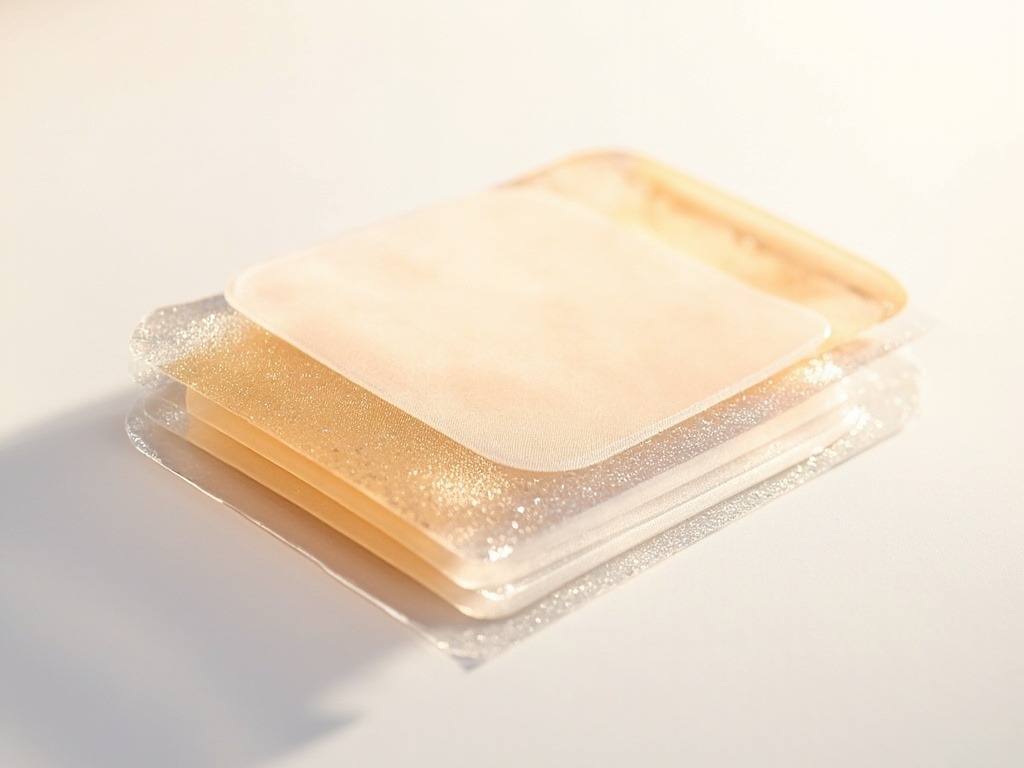
Best for: chronic sciatica sufferers evaluating OTC options, curious buyers comparing patch vs cream, caregivers researching non-oral pain relief, athletes with piriformis-related nerve irritation
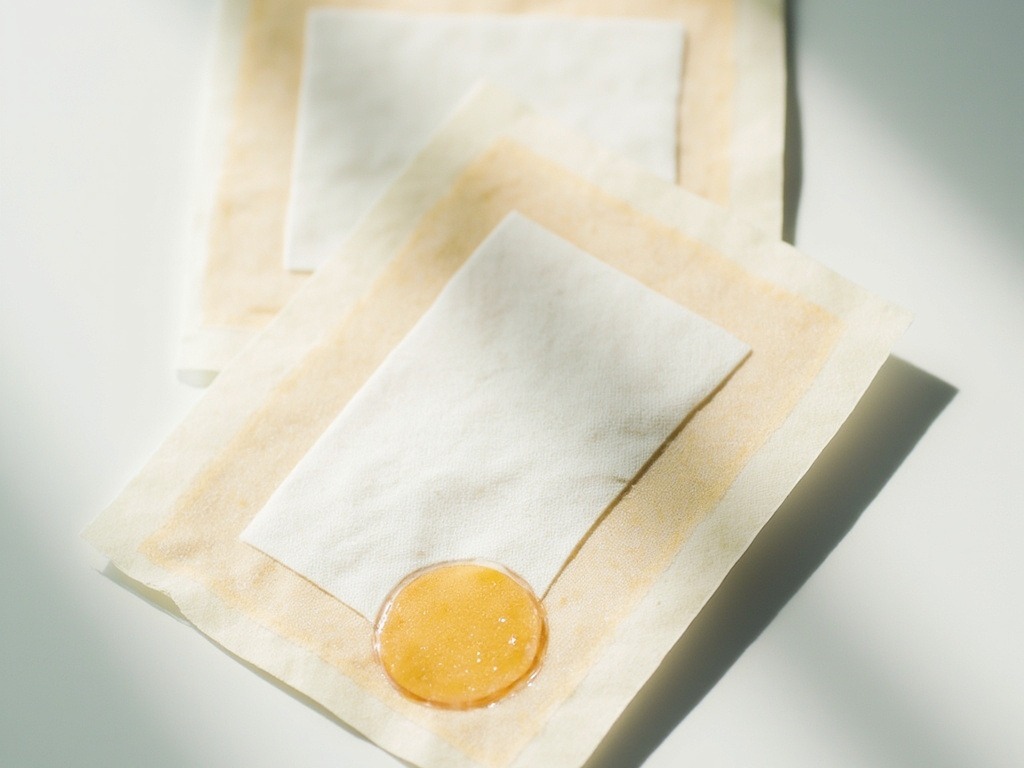
A sciatic nerve pain relief patch works by holding a drug reservoir or volatile counterirritant against the skin of the lower back, buttock, or posterior thigh, then releasing the active ingredient at a controlled rate so it diffuses through the stratum corneum, partitions into the deeper epidermis, and reaches the dermal capillary bed. From there the compound enters systemic circulation or, for locally acting ingredients, sinks into subcutaneous fascia close enough to the nerve pathway to modulate the pain signal. The patch is a delivery vehicle, not a magic layer — it cannot teleport an active past the skin barrier, so what you feel depends on the molecule's molecular weight, its partition coefficient (log P), and how long you wear the adhesive.
Why the barrier matters more than the dose
The outermost 10–20 µm of skin — the stratum corneum — is dead, keratinised cells packed with lipid. Roughly 90% of the barrier resistance sits in this single layer. A patch with 40 mg of active is meaningless if the molecule cannot traverse it.
Three molecular properties predict whether a compound makes it through:
- Molecular weight under ~500 Da (daltons) — heavier drugs stall.
- Moderate lipophilicity, log P between 1 and 3 — too polar and the lipid rejects it, too greasy and it stays trapped in the corneocyte.
- Low melting point and moderate hydrogen-bonding character — both improve solubility in the intercellular lipid channels.
This is why menthol (log P ≈ 3.4, MW 156), lidocaine (log P ≈ 2.4, MW 234), and capsaicin (log P ≈ 3.0, MW 305) appear in nearly every over-the-counter sciatic patch on the market, while larger NSAIDs in oral form (ibuprofen MW 206 is the exception, but most are larger) are rarely the active in a transdermal patch.
The path drug travels, layer by layer
Think of the journey as a four-step relay.
Step 1 — Reservoir release. The matrix or pouch releases drug until the surface concentration exceeds the saturation solubility in the stratum corneum. Formulators tune this with permeation enhancers such as oleic acid, ethanol, or terpenes.
Step 2 — Stratum corneum partition. The molecule enters the intercellular lipid matrix and begins lateral diffusion. A typical lag time of 30 minutes to several hours exists before steady-state flux is reached.
Step 3 — Viable epidermis and dermis. Once past the barrier, the molecule encounters living keratinocytes, then the papillary dermis, which houses capillary loops. Hydrophilic compounds enter circulation here.
Step 4 — Target. For locally acting analgesics (lidocaine, menthol, camphor), the goal is the dermal sensory nerve ending itself — no systemic distribution required. For drugs intended to reach deeper tissues (some experimental diclofenac formulations), systemic uptake is the route to muscle and fascia surrounding the sciatic nerve root.
The lag time matters because patients who peel a patch off after 20 minutes and report "it didn't work" never gave steady-state flux a chance to develop.
Patch vs cream vs oral: same drug, different pharmacokinetics
The route changes the curve. A comparison of how the same 200 mg dose of diclofenac behaves by each route illustrates why patches earn their place:
| Route | Peak plasma level | Time to peak | Gastric exposure | Typical wear or dosing |
|---|---|---|---|---|
| Oral tablet | ~1.5 µg/mL | 1–2 hours | High | 2–3× daily |
| Topical cream | ~0.05 µg/mL | 4–8 hours | Low | 3–4× daily |
| Transdermal patch | ~0.1 µg/mL (sustained) | 6–12 hours | Low | 12–24 hours per patch |
Oral diclofenac floods the gut and liver, contributing to the cardiovascular and GI risk profile that has prompted regulators to flag long-term oral NSAID use. The patch keeps plasma levels a fraction of the oral peak while keeping drug concentration high in the local tissue — a smaller systemic dose, but enough at the dermal sensory nerve to modulate pain signalling.
Counterirritants: the gateway mechanism
Many sciatic patches do not deliver a pharmaceutical at all in the strict sense — they deliver a sensory override. Menthol activates TRPM8 cold receptors, capsaicin activates TRPV1 heat receptors, and methyl salicylate activates a similar irritation pathway. The brain interprets the new input as cold, warm, or tingling and, through a process called gate control (descending inhibition), the original sciatic pain signal is partially masked.
This is why a hot-pink menthol patch can feel deeply cold after two minutes on bare skin. You are not being chilled; your TRPM8 receptors are firing. Counterirritants are appropriate for mild, intermittent discomfort and work best on the buttock or posterior thigh where the patch contacts skin over the nerve pathway.
What concentration actually buys you
A 5% lidocaine patch is not "twice as strong" as a 2.5% patch in the way you might expect. After the stratum corneum is saturated, additional concentration raises the gradient and modestly accelerates flux, but only up to the skin's own ceiling. Going from 5% to 10% does not double delivery; it roughly increases steady-state plasma concentration by 30–60% in published in vitro permeation studies, and often increases local irritation in proportion. More is not always better — beyond a saturation point, formulation stability and skin tolerability, not potency, become the limiting factors.
The corollary: a $4 patch with 4% lidocaine worn for 12 hours can outperform a $14 patch with 8% lidocaine worn for 2 hours, because exposure time integrates with flux. Total drug delivered is flux × time, and time is the variable most buyers ignore.
Risks, edge cases, and who should skip patches
Patches are not universally safe.
- Heat increases flux — a heating pad over a fentanyl or nicotine patch has caused fatal overdose; even menthol patches under hot blankets can blister the skin.
- Broken or recently shaved skin absorbs faster than intact skin, which is desirable for some drugs and dangerous for others.
- Counterirritants (capsaicin especially) cause a brief burning on first applications; this is expected but can be mistaken for an allergic reaction.
- Lidocaine patches are typically applied for 12 hours on, 12 hours off — exceeding that window does not extend benefit proportionally and raises plasma levels.
Anyone on multiple transdermal systems, pregnant users (where systemic exposure to certain actives is contraindicated), and people with severe hepatic impairment should consult a clinician before using any medicated patch. For sciatica accompanied by progressive leg weakness, bowel or bladder changes, or saddle anaesthesia, patches are a symptomatic tool — not a substitute for evaluation of the underlying nerve compression.
Decision rule: is a patch the right form for you?
Use a patch when three conditions hold: the pain is localised along a path you can cover with a 10×20 cm area, the molecule you need is small and lipophilic enough to cross skin, and you want 8–24 hours of hands-free delivery without re-dosing. Skip a patch if you need rapid systemic NSAID levels for an acute flare, if your skin is broken over the application site, or if the active you require is too large or too hydrophilic to permeate — in those cases oral or topical cream remains the rational choice.
Buyer checklist before you buy
Before checkout, verify the active ingredient (not just "cooling sensation"), the per-patch drug load in mg, the recommended wear time, whether the patch can be cut (many matrix patches can, reservoir patches cannot), and the storage temperature range — heat-degraded lidocaine loses potency. For chronic users, cost-per-wear-hour beats cost-per-patch every time.
About the manufacturer
Henan Hanmeng Bio-Tech is a Chinese OEM/ODM manufacturer specialising in transdermal patches, including pain-management and herbal formulations, working with global brand partners on formulation, filling, and packaging. For capabilities and specification sheets, see their pharmaceutical patch OEM page. This article does not endorse any specific Hanmeng product; formulation details vary by customer spec and should be confirmed with the supplier and local regulators before purchase.

CATEGORIES
LATEST NEWS
- Sinew-Bone Pain-Bi Patch Private Label Manufacturer Supply Agreements
- What Hand Mask Custom Packaging Supplier Quotes Overlook
- Kids Herbal Foot Patch Contract Manufacturer: Safety Specifications First
- Mugwort Steam Eye Mask Private Label Manufacturer Readiness Check
- Mugwort Essential Oil Custom Formula Supplier: Formulation Approval Milestones
CONTACT US
QQ: 396269538
Phone: 17796669065
Tel: 17796669065
Email: 396269538
Add: Room 001, 1st Floor, Building 1, Zhengzhou Hangmei International Smart City, Intersection of S102 and Nanquan Road, Xuedian Town, Xinzheng City, Zhengzhou, Henan Province, China