Industry news
Foot Patch Private Label Manufacturer Production Planning Checklist
Industry news 2026-10-06 10:48:58 35 views admin
The Fourth SKU Usually Costs More Than Buyers Expect
A Foot Patch line can look cheap to extend because the visible changes are small: another scent, a different pack count, a larger patch, or a stronger sensory profile. The purchasing math changes once each variation becomes its own SKU. If a factory requires 5,000–10,000 retail packs per packaging version, launching six variants can turn a manageable 10,000-pack project into 30,000–60,000 packs of finished inventory.
Start with one base construction and calculate extensions from there. A sensible launch sequence is usually core Foot Patch first, packaging-count extension second, scent extension third, and size or construction change last. That order keeps the early variants closer to the original manufacturing setup. The question for a foot patch private label manufacturer should therefore be: “Which parts can remain identical across the line?” Shared components are where multi-SKU economics improve.
Know Which Extensions Actually Share Tooling
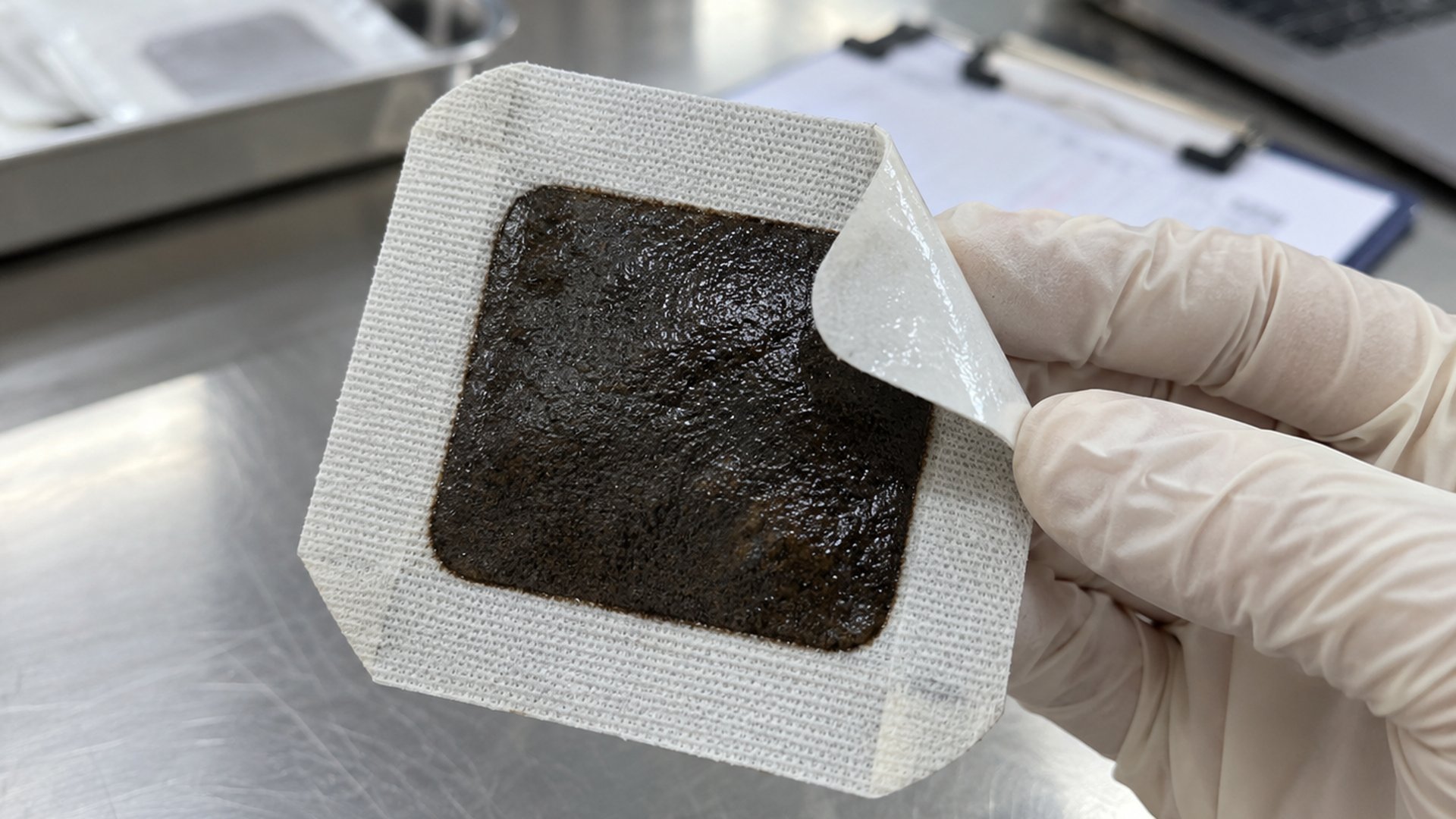
Packaging count and scent are often easier extensions than changing physical dimensions. If two Foot Patch SKUs use the same patch dimensions, backing, cutting geometry, pouch size, and filling equipment, much of the production setup remains common. Buyers can then concentrate variation in the filling specification, fragrance component, carton artwork, or pack count.
A size change is different. Moving from one patch dimension to another may require a different cutting die, revised pouch dimensions, carton dimensions, packing configuration, and machine adjustments. A seemingly simple “large” version can therefore behave like a second product rather than a second flavor of the first.
Shared tooling can save roughly $150–$500 per additional SKU in one-time setup, die, artwork-preparation, or packaging-development expenses, depending on the construction. The larger saving, however, is operational. Reusing the same pouch dimensions and core patch structure reduces the number of materials purchasing must manage.
| Extension | Shared production elements | Typical minimum run consideration | Extension priority |
|---|---|---|---|
| Pack count | Patch, die, pouch | 3,000–5,000 retail packs | 1 |
| Scent | Patch size, die, pouch | 5,000–10,000 packs/SKU | 2 |
| Sensory strength | Size, die, much of packaging | 5,000–10,000 packs/SKU | 3 |
| Patch size | Fewer shared elements | 10,000+ packs may be more economical | 4 |
These are planning ranges rather than universal factory minimums. Printed packaging quantities and material purchasing can set the practical floor even when the production line itself can run less.
SKU Count Starts Hurting Before the Factory Complains
The factory may be able to manufacture eight Foot Patch variants. That does not mean the buyer should launch eight. Warehouse economics usually expose the problem earlier than production does.
Suppose one retail SKU occupies three pallet positions after allowing for replenishment stock and carton configuration. Two SKUs use roughly six positions; six SKUs can require around eighteen. At a hypothetical warehouse charge of $18–$30 per pallet position per month, the difference between two and six SKUs can add roughly $216–$360 monthly before pick fees, inbound handling, inventory counting, and slow-stock charges. Use your actual warehouse rates for the final calculation, but run this math before approving artwork.
More SKUs also fragment purchasing quantities. A 20,000-pack forecast placed into two variants gives each SKU 10,000 packs. Divide the same forecast across five variants and the average falls to 4,000. That can push individual packaging versions below efficient printing quantities while leaving the factory to schedule several shorter production runs.
My working rule for a first launch is simple: two or three SKUs are usually enough to learn what customers and channels actually reorder. SKU four needs evidence, not enthusiasm.

Give Every Type of Extension One Discipline Rule
For size extensions, change dimensions only when the target application or channel gives you a clear reason. Keep the same material family where possible. A second size that requires a new die, new pouch, new carton, and different master-carton packing should be costed as a substantially separate configuration.
For scent extensions, limit the first range. One unscented version plus one primary scent is easier to forecast than four fragrance options dividing the same demand. If each scent needs a 5,000-pack minimum run, moving from two to four versions adds another 10,000 packs before any sales data proves the need.
For sensory-strength extensions, define measurable production specifications instead of vague labels such as “regular” and “strong.” The purchasing file should identify exactly what changes in the material or formula specification. Otherwise, two marketing names can create unnecessary formula versions without giving manufacturing a reproducible difference.
For packaging extensions, reuse the inner Foot Patch and individual pouch wherever the channel permits. Change the retail carton or pack count rather than redesigning the complete product. Shared inner components make it easier to allocate common materials across several finished SKUs.
Build the Line in a Sequence, Not All at Once
A disciplined Foot Patch range grows by proving one variable at a time. Launch the core specification first. Add a different pack count when a channel needs another price point. Add one scent after there is evidence that fragrance creates a useful distinction. Consider another size only when demand justifies separate tooling and packaging.
That sequence also makes supplier quotations easier to read. Ask the foot patch private label manufacturer to separate common costs from SKU-specific costs: shared tooling, individual artwork setup, printing minimums, material minimums, and minimum finished quantity per variant. A quote that only gives one blended unit price hides the cost of complexity.
Before approving any extension, calculate its minimum inventory exposure. If an additional SKU requires 5,000 packs and your realistic monthly movement is 500 packs, you are committing roughly ten months of stock before considering safety inventory. If the same demand can be served by the existing Foot Patch, keep the SKU out.
The useful rule is one reason, one variable, one extension. Do not change size, scent, strength, and packaging simultaneously just to make SKU two look different from SKU one. Share tooling wherever the product specification allows it, protect purchasing volume from unnecessary fragmentation, and make every additional Foot Patch earn its warehouse position before you print the next carton.

CATEGORIES
LATEST NEWS
- Sinew-Bone Pain-Bi Patch Private Label Manufacturer Supply Agreements
- What Hand Mask Custom Packaging Supplier Quotes Overlook
- Kids Herbal Foot Patch Contract Manufacturer: Safety Specifications First
- Mugwort Steam Eye Mask Private Label Manufacturer Readiness Check
- Mugwort Essential Oil Custom Formula Supplier: Formulation Approval Milestones
CONTACT US
QQ: 396269538
Phone: 17796669065
Tel: 17796669065
Email: 396269538
Add: Room 001, 1st Floor, Building 1, Zhengzhou Hangmei International Smart City, Intersection of S102 and Nanquan Road, Xuedian Town, Xinzheng City, Zhengzhou, Henan Province, China