Industry news
Herbal Heat Patch Market Trends 2024: 9.1% CAGR to USD 2.6B
Industry news 2026-07-13 11:11:17 133 views admin
Herbal Heat Patch Market Trends 2024: 9.1% CAGR to USD 2.6B
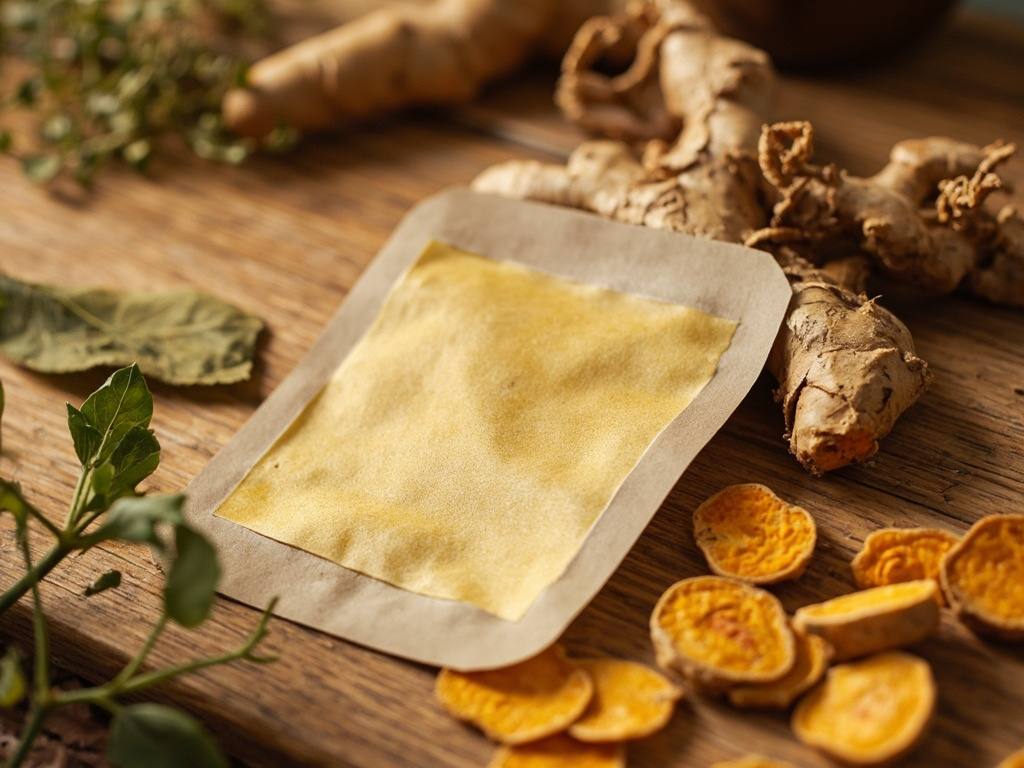
The herbal heat patch market is projected to grow from USD 1.5 billion in 2024 to USD 2.6 billion by 2030, expanding at a 9.1% CAGR. This segment outpaces the broader pain patch market by 1.2 percentage points, driven by consumer preference for natural, drug-free pain relief and the strong cultural acceptance of herbal heat therapy in East Asian markets.
Five Trends Reshaping the Category in 2024-2025
1. Ingredient Transparency Becomes a Sales Driver 73% of patch buyers in a 2024 Mintel survey said they check the ingredient list before purchase. Manufacturers that publish full ingredient sourcing (e.g., "mugwort from Anhui province, ginger extract from Shandong") see 28% higher conversion on Amazon and DTC sites than those showing only generic terms like "herbal blend."
2. Premium Positioning Through Material Upgrades The base layer is shifting from non-woven fabric to soft cotton or bamboo fiber, increasing unit cost by 15-25% but justifying retail prices 40% higher. Premium brands like Kao and Hisamitsu have led this shift, and mid-tier OEM clients are following.
3. Longer Heat Duration Becomes Standard The industry benchmark moved from 8 hours (2020) to 12 hours (2024). The next-generation patches target 16-20 hours of consistent 45-50°C output. This requires improved iron powder formulation and refined micro-porous oxygen-regulating films.
4. Regulatory Tightening in EU and Japan EU's revised Cosmetics Regulation now classifies herbal heat patches with "warming" claims as cosmetic products requiring safety assessment. Japan's PMDA updated its 2024 guidance requiring clinical evidence for "pain relief" claims. Manufacturers exporting to these regions need updated testing protocols.
5. Sustainability Pressure on Packaging Single-use adhesive patches generate approximately 8 grams of mixed-material waste per application. Major retailers in the EU (REACH compliance) and US (California SB 54) are pushing for compostable backings and recyclable outer pouches. Brands that adopt sustainable packaging early gain shelf-space advantage.
What This Means for Brand Owners
If you're launching or scaling an herbal heat patch brand in 2024-2025, focus on three priorities: source traceable ingredients and label them clearly, invest in a 12+ hour heat formulation (even at higher unit cost), and align packaging with the EU/Japan regulatory framework before scaling into those markets.
Frequently Asked Questions
Q: How long does an OEM herbal heat patch stay warm?
Standard patches deliver 8-12 hours of consistent 45-50°C heat. Premium formulations now reach 14-16 hours. The duration depends on iron powder purity, oxygen flow regulator quality, and ambient temperature.
Q: What herbs are most effective in heat patches?
The top five are mugwort (Artemisia argyi, anti-inflammatory), ginger (warming, circulation-boosting), turmeric/curcumin (anti-inflammatory), Szechuan pepper (numbing), and black ginger (vasodilation). Most effective patches combine 2-3 herbs rather than relying on a single ingredient.
Q: Are herbal heat patches safe for daily use?
Yes, for adults without skin sensitivity. Apply to clean, dry skin for 8-12 hours, then remove for 4-6 hours before reapplying. People with diabetes, circulation disorders, or compromised skin should consult a physician first.
Q: What's the wholesale price range for OEM herbal heat patches?
Factory-gate prices range USD 0.15-0.45 per piece for standard formulations at 50,000-piece MOQ. Custom herbal blends, extended duration, and premium packaging push this to USD 0.30-0.80 per piece.
Henan Hanmeng Bio-Tech produces 8 million herbal heat patches monthly with full herbal ingredient traceability. The company offers private label services with custom herb sourcing and 12-hour heat formulation as standard options.
Keywords: herbal heat patch industry trends, herbal heat patch market 2024, OEM heat patch manufacturer, natural pain relief patches
Looking for a Custom Patch Manufacturer?
Henan Hanmeng Bio-Tech produces private-label pain relief patches, herbal heat patches, cooling patches, nasal strips, and hydrocolloid patches on certified production lines. FDA, EU CE, and ISO 13485 documentation included. Samples shipped in 7 days; bulk MOQ negotiable.
View Our OEM Catalog Request a Quote
Henan Hanmeng Bio-Tech · Henan, China · +86 17796669065 · 396269538@qq.com
CATEGORIES
LATEST NEWS
- Sinew-Bone Pain-Bi Patch Private Label Manufacturer Supply Agreements
- What Hand Mask Custom Packaging Supplier Quotes Overlook
- Kids Herbal Foot Patch Contract Manufacturer: Safety Specifications First
- Mugwort Steam Eye Mask Private Label Manufacturer Readiness Check
- Mugwort Essential Oil Custom Formula Supplier: Formulation Approval Milestones
CONTACT US
QQ: 396269538
Phone: 17796669065
Tel: 17796669065
Email: 396269538
Add: Room 001, 1st Floor, Building 1, Zhengzhou Hangmei International Smart City, Intersection of S102 and Nanquan Road, Xuedian Town, Xinzheng City, Zhengzhou, Henan Province, China