Industry news
Cooling fever patchouli: a parent's guide to using it on a child under 10
Industry news 2026-08-19 09:02:22 145 views admin
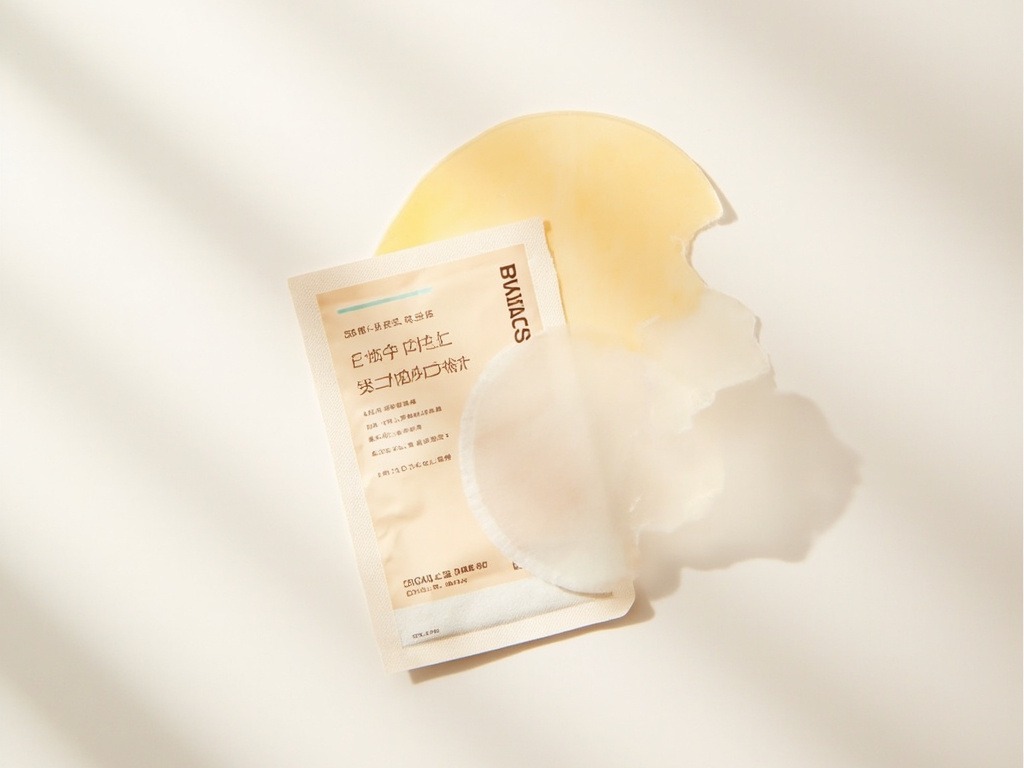
Best for: parents of a child under 10, caregivers of a feverish toddler, first-time users of hydrogel children's cooling patches
A cooling fever patchouli is a soft hydrogel sheet that sticks to the skin and feels cold to the touch. It does not bring down a fever, treat infection, or replace medicine. It is a comfort item — a cool, damp layer on the forehead or underarm that may soothe a fussy, hot child while you watch the temperature and decide whether to call a doctor. If your child is under 3 months old with any fever, skip the patch and call a clinician straight away.
What the patch actually does on the skin
The patch is mostly water held inside a polymer mesh (commonly a polyvinyl alcohol or similar hydrogel lattice). The outer film slows evaporation, so the surface stays around 28–32°C for the first 20–30 minutes — cooler than flushed skin, warmer than a fridge. Heat from the skin transfers into the gel, which is why it feels cold. It does not "draw out" fever, and it does not change the body's set-point in the brain.
Think of it as a wet flannel that stays in place. On the forehead it covers a small surface area, so the overall effect on body temperature is small. On the underarm or groin it sits over a major vessel, and the local cooling feels stronger, but the core reading from a thermometer barely shifts.
Patchouli — the herb in the name — usually refers to a light fragrance or, in some formulations, a tiny amount of Pogostemon cablin extract. The scent is decorative. It does not act as a medicine. If your child has sensitive skin or a known fragrance sensitivity, choose an unscented version.
Age cutoffs that change the answer
Age matters more than brand. The same patch behaves differently on a newborn, a toddler, and a school-age child.
| Age band | Where a patch is reasonable | Where to avoid it | What to do instead |
|---|---|---|---|
| Under 3 months | None | Anywhere on the body | Any fever ≥ 38°C / 100.4°F → urgent medical review |
| 3–12 months | Forehead only, short wear (≤ 2 hours) | Underarm, neck, groin on naked skin | Confirm dose with a clinician; check weight-based paracetamol/ibuprofen dose |
| 1–3 years | Forehead or underarm on clothing/dressing | Direct skin contact if skin is broken or eczema is active | Offer fluids; rest; recheck temperature in 30 minutes |
| 3–10 years | Forehead, underarm, back of neck as directed | Leaving the child asleep with the patch on if it shifts over the nose or mouth | Combine with weight-appropriate medicine if the child is uncomfortable |
The 38°C / 100.4°F threshold is the standard cutoff for "fever" in children. This is the number to watch, not the patch.
When to stop using the patch and call a doctor
A patch is a comfort tool, not a treatment. Stop and seek medical advice if any of the following apply:
- Infant under 3 months with a reading of 38°C / 100.4°F or higher, measured rectally.
- Child 3–6 months with 38.5°C / 101.3°F or higher, or any fever lasting more than 24 hours.
- Child of any age with 40°C / 104°F or higher at any point.
- Lethargy, stiff neck, a rash that does not blanch when pressed, breathing difficulty, or a seizure.
- Refusal of fluids, fewer wet nappies than usual, or signs of dehydration.
- Fever that returns after a medicine dose window has ended, lasting more than 72 hours.
These are decision rules, not diagnoses. The patch does not change any of them.
How to put it on without hurting the skin
Application is straightforward, but small mistakes cause most irritation complaints.
Step 1. Confirm the temperature first. Use a digital thermometer — underarm for general screening, rectal for infants under 12 months when you need a precise reading. The forehead patch sits on the same skin you are about to cover, so take the reading before you apply.
Step 2. Clean and dry the skin. Water, sweat, or cream reduces adhesion and can trap moisture against the epidermis. Pat dry, wait 30 seconds.
Step 3. Place the gel side down. Smooth from the centre out so no air bubble traps sweat. On the forehead, keep it above the eyebrows and clear of the hairline. On the underarm, place it over a thin layer of clothing or a gauze square, not directly on bare skin, because the armpit flexes and the patch will lift.
Step 4. Watch for irritation. Lift a corner after 10 minutes if the skin has been eczema-prone before. Redness under the patch that fades within an hour is usually pressure, not allergy. Redness that blanches to a white centre, or small bumps, is a contact reaction — remove the patch and choose a different brand next time.
Step 5. Replace once. Most patches are designed for 6–8 hours of wear. A second patch in the same 24 hours is fine; a third one in the same spot is not. Rotate forehead and underarm if you want extended coverage.
What to look for on the package
Ingredient panel. Water, polymer gel (often listed as "hydrogel" or "polyacrylate"), and a small amount of humectant such as glycerin. Fragrance is optional. If "menthol" or "peppermint oil" appears high on the list, the patch is designed for adults — skip it for young children.
Size. Children's forehead patches are usually 4×6 cm to 5×12 cm. Anything larger covers the temples and crowds the eyes, which makes children pull at it.
Wear time. The label should state a maximum wear time, often 6–8 hours. A patch with no stated wear time is a patch you should not put on a child.
Storage. Sealed foil pouch. Once opened, the gel dries out within an hour. Storing half-used patches in a zip bag does not extend their life meaningfully.
Date marks. Production date and shelf life. A sealed hydrogel patch is good for roughly 2–3 years from manufacture. Older stock from a discount bin may have dehydrated, lost adhesion, or grown microbial contamination.
Comparing a patch to the other things in the bathroom cabinet
Parents usually weigh a patch against three other options. Here is how they line up on the points that matter for a child under 10.
| Method | Effect on core temperature | Comfort value | Skin risk | Suitable age |
|---|---|---|---|---|
| Hydrogel cooling patch | Negligible (≤ 0.3°C local) | High, non-medicinal | Mild contact irritation | 3 months and up, with rules |
| Cool damp flannel | Comparable locally | Moderate, needs re-wetting | None | Any age |
| Paracetamol or ibuprofen (weight-based dose) | 0.5–1°C reduction over 30–60 minutes | Improves as fever drops | Stomach upset if overdosed | Per label, usually 2 months+ |
| Lukewarm sponge bath | Brief, often distressing | Low — most children dislike it | Shivering if water too cold | Any age, if tolerated |
Notice the rows. The patch is the comfort winner, not the temperature winner. The actual fever reduction comes from a properly dosed medicine, not from the sheet on the forehead.
Limits and safety notes
This guide is general parental information, not medical advice. A few boundaries worth restating because parents ask about them every week:
The patch does not treat the cause of the fever. If the underlying illness is bacterial, viral, or inflammatory, only the right medicine addresses it. Use the patch while you arrange that, not instead of it.
Do not use a patch on broken skin, sunburn, eczema flares, or fresh vaccination sites. The hydrogel can delay healing or sting.
Do not use a "fever patch" labeled for adults on a child under 6 without checking the ingredient list. Menthol and certain essential oils are not appropriate for young children.
Do not tape a patch over a sleeping child's face or mouth. If the child is too young to roll it off, choose underarm placement instead, or use a flannel.
Keep unopened patches out of reach of children. The foil pouch is a choking and suffocation hazard in the same way any plastic film is.
If the patch feels uncomfortably cold — colder than the fridge — that means the gel has been frozen somewhere in the supply chain. Thaw it to room temperature before applying. Direct-from-freezer gel can cause a superficial cold burn on thin skin.
A short buyer checklist for the next purchase
Before you put a new box in the basket, run through these five checks. They take 30 seconds and prevent the most common complaints.
- Fragrance-free or labelled for children, with no menthol or camphor in the top five ingredients.
- Stated wear time of 6–8 hours, not "extended" or "overnight".
- Sealed individual foil pouches, with a printed batch or expiry date.
- Size 4×6 cm to 5×12 cm — small enough for a child's forehead.
- Manufacturer contact details on the outer box, ideally with a local-language instruction sheet.
Cooling fever patchouli products are a small, low-cost category. The difference between a useful one and a useless one is almost always the ingredient list and the packaging, not the marketing.
Where this kind of patch comes from
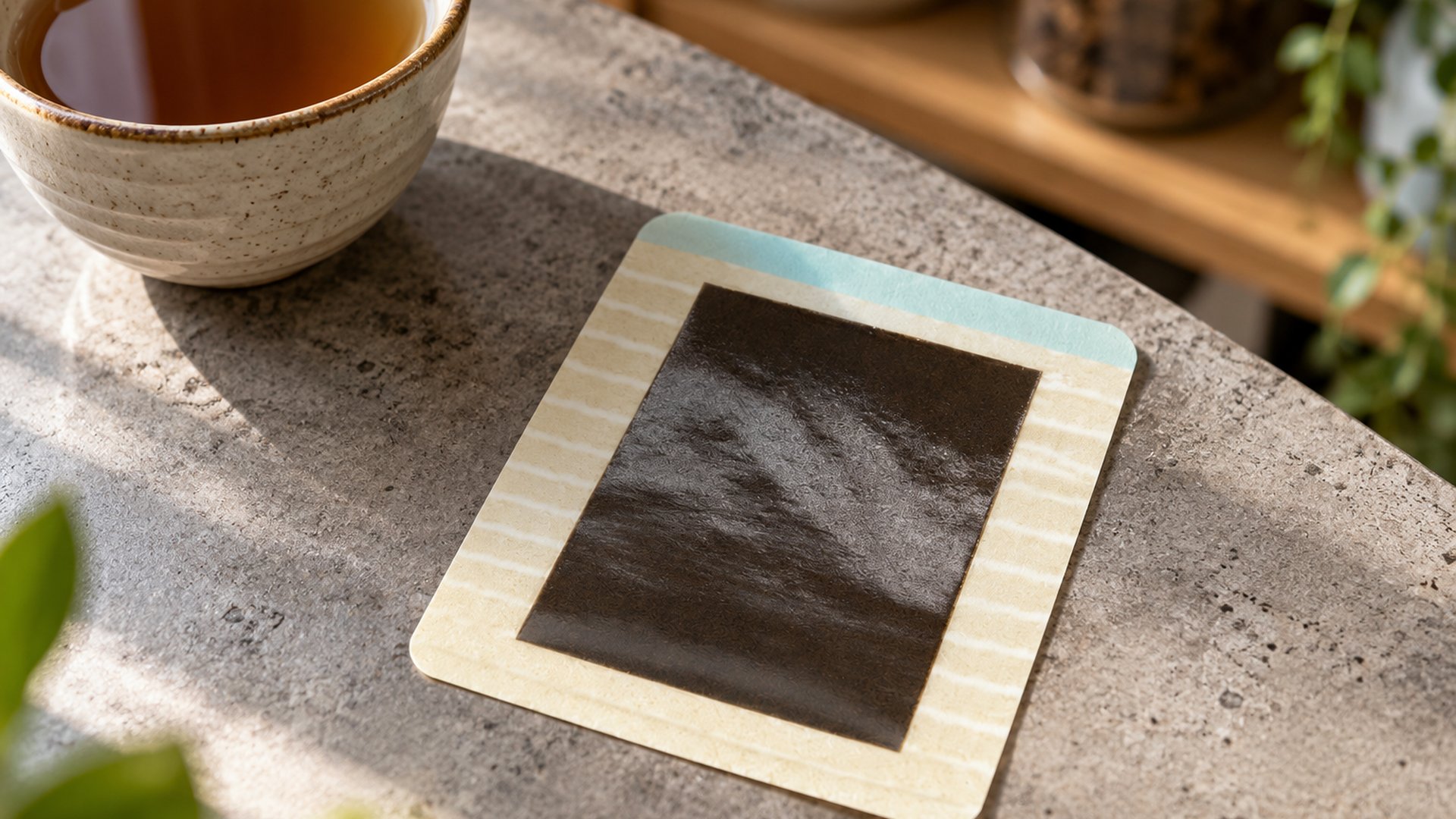
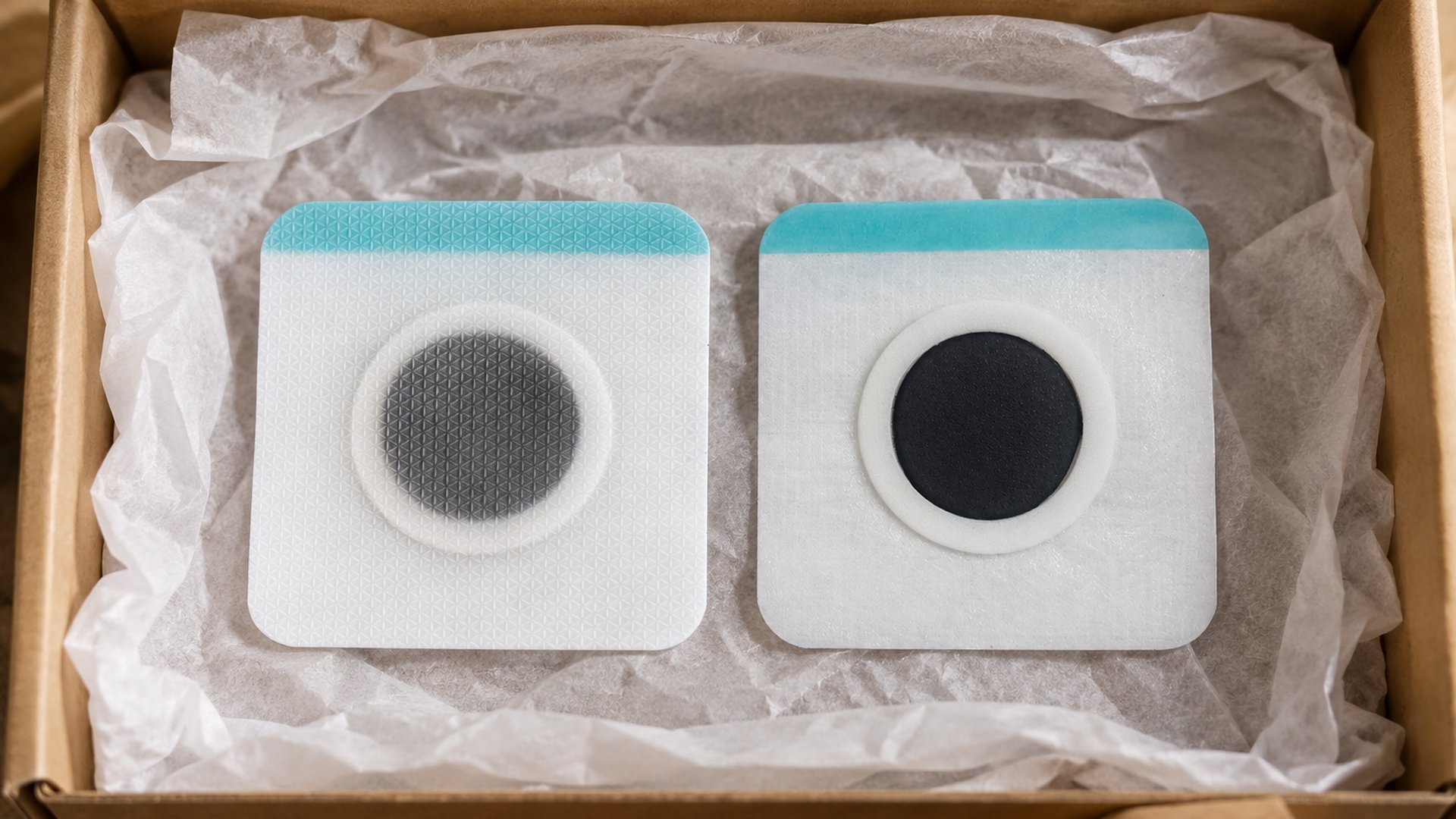
Most hydrogel children's cooling patches sold in retail are produced by manufacturers who also make larger-format adult patches and other personal-care hydrogels. Henan Hanmeng Bio-Tech is one such manufacturer, with private-label patch manufacturing capability for buyers who want a small branded run rather than a generic pack.
CATEGORIES
LATEST NEWS
- Sinew-Bone Pain-Bi Patch Private Label Manufacturer Supply Agreements
- What Hand Mask Custom Packaging Supplier Quotes Overlook
- Kids Herbal Foot Patch Contract Manufacturer: Safety Specifications First
- Mugwort Steam Eye Mask Private Label Manufacturer Readiness Check
- Mugwort Essential Oil Custom Formula Supplier: Formulation Approval Milestones
CONTACT US
QQ: 396269538
Phone: 17796669065
Tel: 17796669065
Email: 396269538
Add: Room 001, 1st Floor, Building 1, Zhengzhou Hangmei International Smart City, Intersection of S102 and Nanquan Road, Xuedian Town, Xinzheng City, Zhengzhou, Henan Province, China