Industry news
lidocaine patches 5%
Industry news 2026-08-18 10:30:08 226 views admin
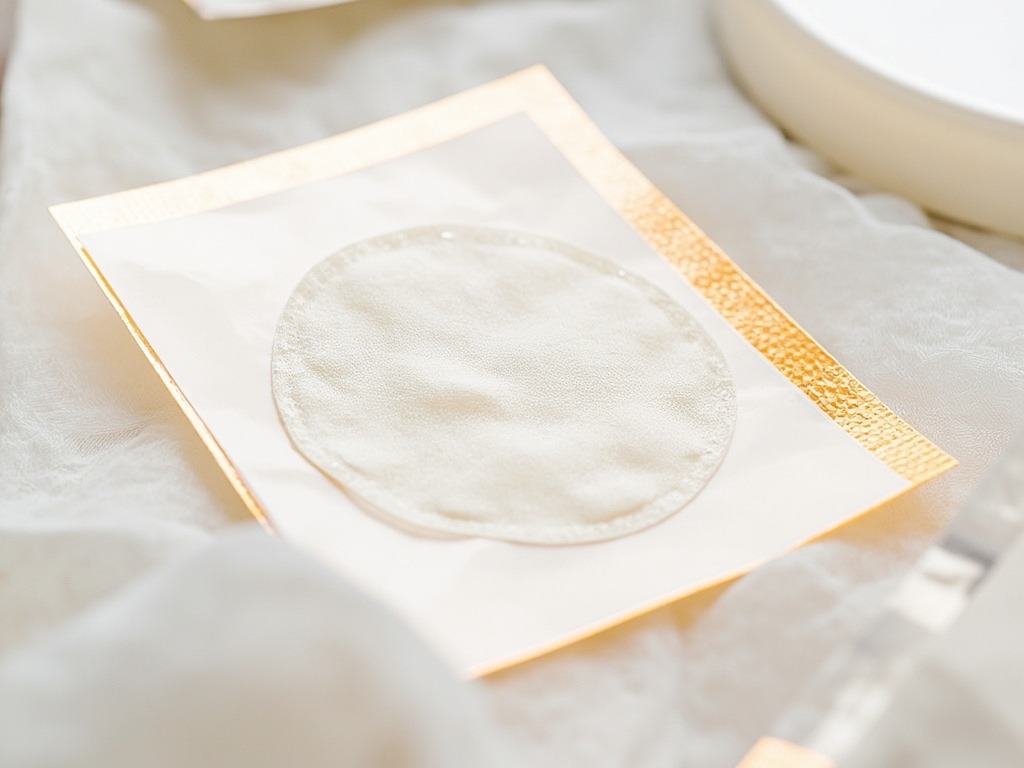
Best for: pharmacy shoppers comparing OTC pain patches, adults with localized muscle or nerve soreness, caregivers buying for an older relative, athletes managing post-workout tenderness, and first-time buyers who want to know how a lidocaine patch differs from menthol, capsaicin, camphor, or methyl salicylate versions before they pick one at the counter.
A 5% lidocaine patch is a non-opioid, over-the-counter option for blocking localized pain signals at the skin surface. Unlike patches that distract the skin with cooling or heating sensations — menthol, camphor, capsaicin, methyl salicylate — lidocaine works by numbing the area where it is applied. It is the only ingredient in this patch family that quietly turns down nerve firing rather than producing a noticeable temperature sensation, which is the single most useful fact to know before you choose one.
How a 5% lidocaine patch actually works on the skin
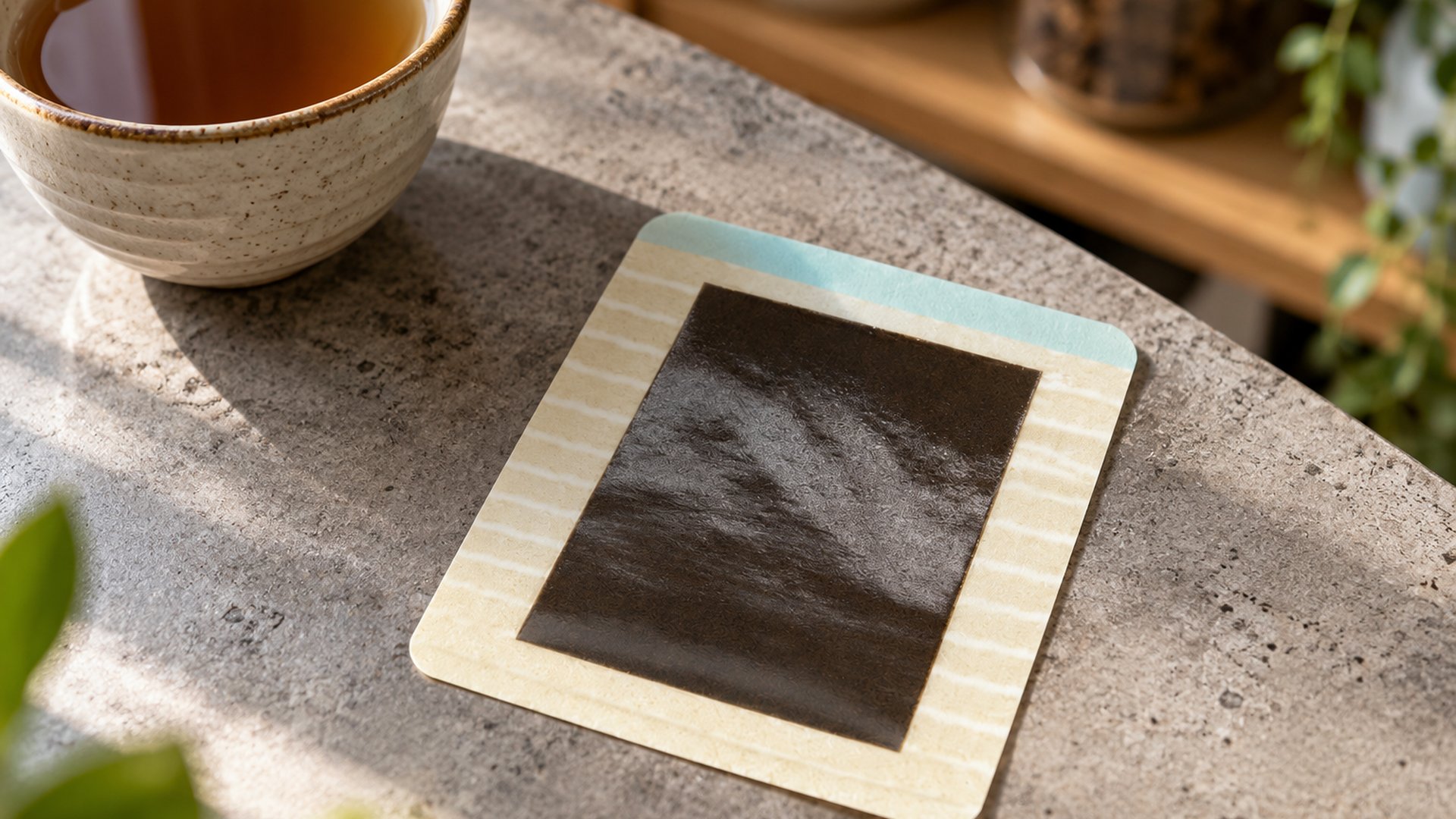
The patch holds a soft, fabric or film backing in contact with the skin and slowly releases lidocaine across the epidermis. Lidocaine is a local anesthetic; it temporarily blocks sodium channels in the small nerve endings near the surface, which lowers the rate at which pain signals reach the brain. The skin itself is not "killed" or chemically burned — the effect is reversible and wears off as the drug clears the tissue.
Most OTC5% lidocaine patches are designed to be worn for up to 12 hours on, then 12 hours off. The numbing sensation usually begins within 30 to 60 minutes and persists for the duration of wear plus a short tail. Because the drug stays near where it is applied, systemic absorption from a single patch is low in adults when the skin is intact — that is part of why the format is sold without a prescription in many regions.
If you have ever used a dental injection at the dentist, the feeling is similar but more muted and far more local. There is no full numbness of the mouth or face — only the patch-shaped zone under the cloth.
How it differs from menthol, capsaicin, camphor, and methyl salicylate patches
The four other common OTC patch ingredients work through very different pathways. Understanding those differences is what lets you match the patch to the kind of pain you actually have.
- Menthol patches activate the skin's cold-sensitive receptors (TRPM8), producing a cooling sensation that masks deeper soreness. They do not really change nerve conduction; they compete with pain signals by distraction. Useful for fresh, acute muscle ache after exertion.
- Capsaicin patches come from chili pepper extract and deplete a chemical called substance P from nerve endings over time. The first20 to 60 minutes often feel warm or even burning before the desensitization sets in. Capsaicin is a long-game option for stubborn nerve-area soreness that has lasted weeks, not hours.
- Camphor patches are cousins of menthol — they produce a mild warming or cooling sensation depending on formulation and concentration. Camphor sits in a similar "sensation override" category as menthol, with a slightly different odor profile.
- Methyl salicylate patches deliver a salicylate compound related to aspirin. They produce a warming sensation and are intended for short-term muscle aches. Because salicylates can be absorbed through the skin in meaningful amounts, they are not appropriate for people on blood-thinning medication without medical advice.
Lidocaine does none of these things. No cooling, no burning, no warming. Just quiet numbing of the area underneath. That is also its main drawback — if you prefer a patch that gives you something to feel, lidocaine can feel underwhelming.
Side-by-side comparison of the five common OTC patch ingredients
| Ingredient | What it feels like | Onset | Typical wear time | Best suited to | Watch out for |
|---|---|---|---|---|---|
| Lidocaine 5% | Numbing, no temperature shift | 30–60 min | Up to 12 h on / 12 h off | Localized nerve-area soreness, skin near a joint | Do not use on broken skin; mild skin irritation possible |
| Menthol | Cooling | Within minutes | Up to 8 h | Acute muscle strain, post-exercise soreness | Strong scent; can irritate sensitive skin |
| Capsaicin | Warming / initial burn | 30 min–1 h for relief; desensitization over days | Up to 8 h per application; repeat cycles | Stubborn nerve-area soreness lasting weeks | Burning sensation on first uses; avoid eyes and mucous membranes |
| Camphor | Mild cooling or warming | Within minutes | Up to 8 h | Mild muscle aches | Distinct odor; not for children under a certain age without guidance |
| Methyl salicylate | Warming | Within minutes | Up to 8 h | Short-term muscle soreness | Salicylate absorption; caution with blood thinners |
Who reaches for lidocaine and who should pick a different patch
Lidocaine 5% tends to fit people who want relief without a sensation overlay — those who find menthol's cooling distracting at work, who cannot tolerate capsaicin's burn, or whose skin reacts to warming salicylate formulations. It is also commonly chosen for areas where the underlying soreness sits near a nerve rather than deep in a muscle belly: the outer thigh, the side of the back, the area around (but not over) a joint.
If your soreness is across a large muscle group, or you want a quick "I did something today" sensation while you stretch, a menthol or camphor patch is the more typical pick. If your issue is a long-running nerve-area tenderness and you can tolerate the first few hot applications, capsaicin becomes a stronger candidate. If you are on anticoagulant therapy, methyl salicylate is usually skipped.
Skin sensitivity, allergies, and where to avoid placing the patch
Even with low systemic absorption, lidocaine patches still contact the skin for hours. A few practical rules apply across nearly every brand on the shelf:
Do not place the patch over broken skin, open wounds, rashes, or recently shaved areas. The drug will absorb faster than intended and stinging is likely. Do not stack multiple patches on top of each other or place overlapping patches on adjacent skin — the absorbed dose increases with total contact area. Remove the patch slowly to avoid tearing fragile skin, particularly on the inner arm or over the ribs in older adults.
Mild redness or itching under the patch after removal is common and usually settles within an hour. If a rash spreads beyond the patch edge, blisters appear, or you notice dizziness, ringing in the ears, or a metallic taste, take the patch off and seek medical advice — these are signs of a stronger-than-expected reaction. Genuine allergic reactions to lidocaine are uncommon but not impossible.
People with a known history of local anesthetic allergy, severe liver impairment, or who are using other lidocaine-containing products at the same time should not self-direct a 5% patch without talking to a clinician or pharmacist first.
When NOT to use a 5% lidocaine patch
There are several situations where this format is the wrong tool regardless of how convenient the box looks on the pharmacy shelf:
If you have an undiagnosed source of pain — sudden back pain with fever, unexplained leg weakness, chest discomfort, or pain after a fall — a patch will mask the symptom without addressing the cause. Pain is information; turning it down before a clinician has had a look can delay a meaningful evaluation.
Avoid the patch on irritated or infected skin, over tattoos that are still healing, or under occlusive dressings such as plastic wrap. Avoid combining it with heating pads — heat drives lidocaine through the skin faster than the label is designed for. Avoid applying it to the face, the neck near the airway, or anywhere a child or pet could pull it off and transfer it.
Pregnant or breastfeeding shoppers should follow the local medical-device regulation in force for OTC topical anesthetics, which in many markets recommends against unsupervised use even though systemic absorption is low.
Buyer checklist: what to look at before you buy
A useful decision rule before you put a box in the cart: identify the type of soreness, then match the mechanism, not the marketing. If the discomfort is recent and muscular, menthol or methyl salicylate patches usually beat lidocaine. If the discomfort is nerve-adjacent, near-surface, and you want quiet numbing, lidocaine 5% is the more direct match. If the discomfort has been there for weeks and you can tolerate a warming phase, capsaicin earns its keep.
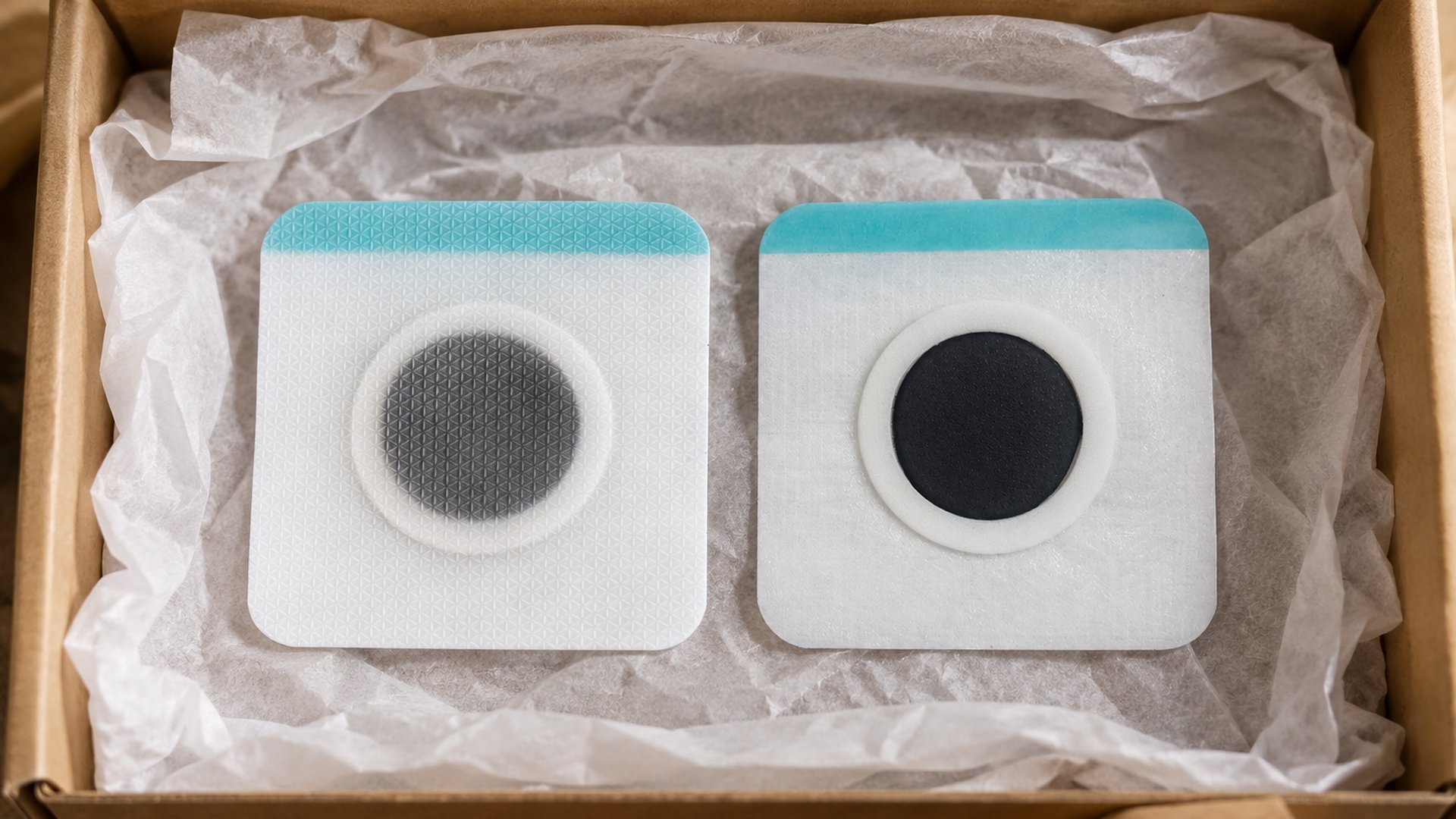
Inside the lidocaine category, look at three concrete details on the outer carton. First, the listed lidocaine content per patch — 5% is the standard OTC concentration, but the total milligram amount per patch varies by size. Second, the stated maximum wear time — most are 12 hours on, 12 hours off, but some are 8 hours. Third, the adhesive — fabric-backed patches tend to grip better on curved joints; film-backed patches feel lighter but can peel with sweat.
Cost is best compared per patch and per wearing-hour, not per box. A cheaper box with smaller patches may cost more per treated area than a slightly pricier box with full-coverage cuts.
Limitations of this article
This guide is for general consumer education only. It does not replace individualized advice from a pharmacist, physiotherapist, or physician, and it does not diagnose any condition. Patch ingredients, concentrations, and wear-time rules vary by brand and by the local medical-device regulation in force; always read the leaflet inside the box and follow the directions printed there. If soreness persists beyond one to two weeks, worsens, or comes with numbness, swelling, fever, or skin discoloration, see a clinician.
About the manufacturer referenced on this page
Henan Hanmeng Bio-Tech is a Chinese manufacturer with private-label patch manufacturing capabilities across multiple OTC ingredient families, including lidocaine, menthol, capsaicin, camphor, and methyl salicylate formats, and supports formulation, size, and packaging customization for buyers evaluating consumer pain-patch lines.
CATEGORIES
LATEST NEWS
- Sinew-Bone Pain-Bi Patch Private Label Manufacturer Supply Agreements
- What Hand Mask Custom Packaging Supplier Quotes Overlook
- Kids Herbal Foot Patch Contract Manufacturer: Safety Specifications First
- Mugwort Steam Eye Mask Private Label Manufacturer Readiness Check
- Mugwort Essential Oil Custom Formula Supplier: Formulation Approval Milestones
CONTACT US
QQ: 396269538
Phone: 17796669065
Tel: 17796669065
Email: 396269538
Add: Room 001, 1st Floor, Building 1, Zhengzhou Hangmei International Smart City, Intersection of S102 and Nanquan Road, Xuedian Town, Xinzheng City, Zhengzhou, Henan Province, China