Industry news
herbal heat patch gold
Industry news 2026-08-18 09:00:02 237 views admin
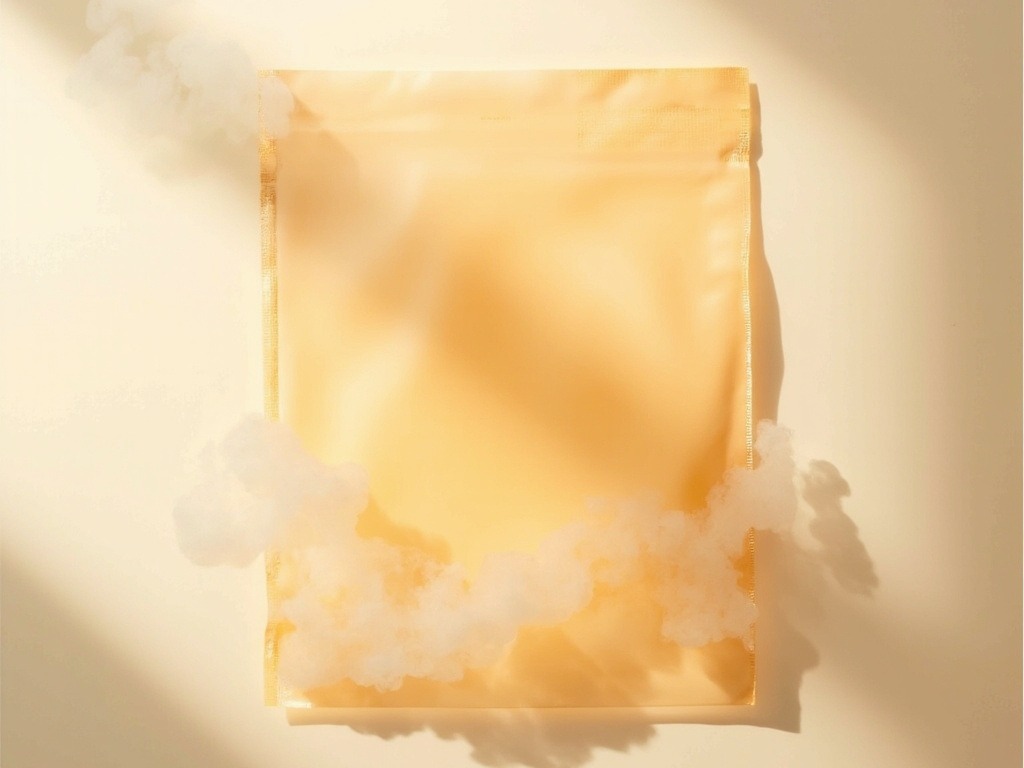
Best for: buyers comparing iron-powder heat patches against microwavable wraps and menthol patches, gift-set shoppers looking for a neutral warm tone, first-time users deciding whether air-activated warmth suits their routine
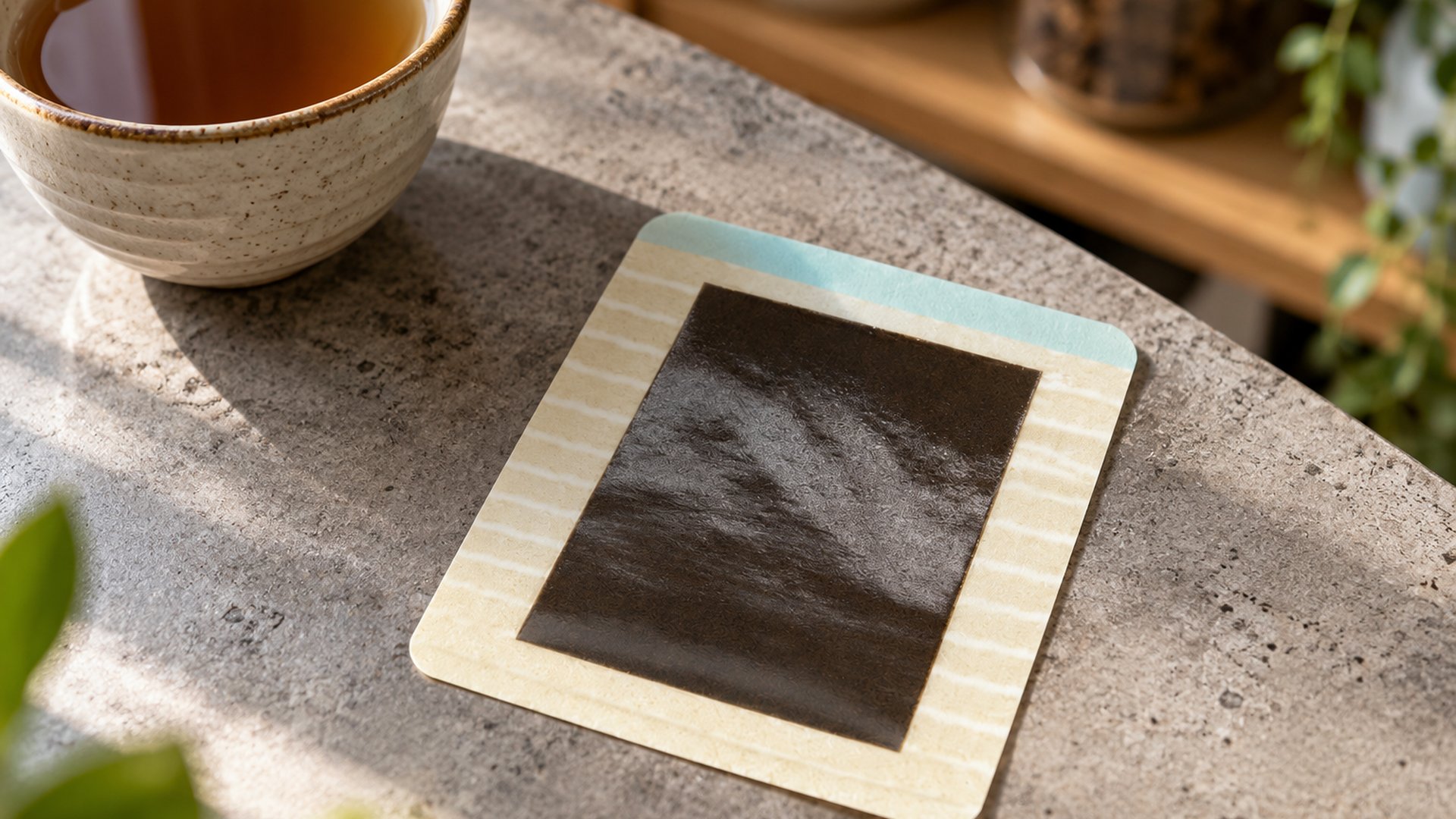
A "gold" herbal heat patch is essentially an air-activated warming plaster whose adhesive layer is dyed a metallic gold colour. The warmth still comes from iron powder oxidation — once the sachet is opened, fine iron particles react with oxygen in the presence of salt, water and activated carbon, and the exothermic reaction lifts the skin surface toward roughly 40°C (about 104°F). The gold finish is cosmetic, but it can matter at the point of purchase: it hides staining, reads as premium in a gift box, and tolerates visible skin without looking clinical. If you need a patch that stays warm for several hours, fits under clothing, and avoids the menthol smell, this format is worth a closer look.
Who actually buys one, and what they use it for
The gold version tends to appeal to three groups more than the others:
- Office workers with stiff necks and shoulders. They want something discreet, fragrance-light, and thin enough to wear under a collared shirt.
- Older users with chronic lower-back or knee discomfort. Long wear time matters more to them than peak heat, and they often prefer menthol-free patches because menthol can interact with cardiac or blood-pressure medication in sensitive individuals.
- Gift and travel buyers. A gold patch sits well in a wellness hamper and photographs cleanly, so it shows up in travel kits, period-care boxes, and "self-care" bundles.
Acute-injury athletes tend to pick menthol or capsaicin patches for short, intense sessions; gold herbal patches suit the slower, longer-wear use cases.
Iron powder, oxidation, and where the warmth actually comes from
The thermal chemistry inside a sealed sachet is simple and well understood. Iron powder, sodium chloride (salt), water, and activated carbon are mixed with a little wood flour or vermiculite that holds the moisture. When the outer pouch is opened, oxygen enters through a permeable membrane and iron powder oxidation begins:
4 Fe + 3 O₂ → 2 Fe₂O₃ (with a small amount of heat released)
Because the reactants are metered and the membrane limits how fast oxygen can diffuse in, the reaction rate is throttled. That is why the patch climbs to a comfortable plateau around 40°C rather than running away to scalding. The plateau is what designers tune — not the absolute chemistry. Herbal additives such as ginger, mugwort, or lavender sit in a separate non-woven layer over the iron stack and contribute aromatic volatiles, not heat. Their role is sensory.
Format comparison at a glance
Heat delivery comes in four common formats. Each solves a different problem.
| Format | Heat source | Typical warm time | Peak skin temperature | Smell | Best suited for |
|---|---|---|---|---|---|
| Iron-powder adhesive patch (gold herbal) | Iron powder oxidation | 6–12 hours | Around 40°C / 104°F | Mild herbal or near-neutral | Long wear under clothing, menthol-sensitive users, gift sets |
| Microwavable wrap (wheat/corn/cherry-stone) | Re-heated moisture in a fabric pouch | 20–45 minutes per cycle | Depends on microwave time; can spike above 50°C | None, or natural grain scent | Short, intense sessions at home; reusable |
| Menthol or capsaicin topical patch | Counter-irritant sensation, not real heat | 4–8 hours | Skin temp barely changes; "heat" is nerve confusion | Strong menthol or capsicum | Acute muscle strains, post-exercise cooling-then-warming |
| Battery / USB heated pad | Resistive element, regulated | As long as the battery lasts | User-set, often 38–45°C | None | Repeated sessions, sports recovery, desk work |
Two things stand out. First, only the iron-powder patch and the microwavable wrap deliver real thermal energy to the skin — menthol products create the sensation of warmth without raising tissue temperature much. Second, the iron-powder patch is the only single-use format that lasts a full working day at a low, steady plateau, which is what most chronic-discomfort buyers actually want.
The decision rule: pick by session length and smell tolerance
If your session is under an hour and you are at home, a microwavable wrap wins on cost per use and on environmental footprint. If your session stretches across a commute, an office shift, or a long flight, an iron-powder adhesive patch wins because it is hands-free and self-regulating. If the smell of menthol triggers headaches for you, or you are on blood-pressure medication where strong counter-irritants feel uncomfortable, the gold herbal format is the safer default. If you want to dial the temperature yourself and reuse the product for years, a regulated battery pad is the right answer.
Step-by-step first use
- Open the foil sachet only when you are ready to wear the patch. Once opened, oxygen starts the reaction and you cannot pause it.
- Peel the release film. Avoid touching the adhesive surface with your fingers — skin oils reduce stick.
- Place the patch on clean, dry skin over the target area. Body hair reduces contact; shave or trim if adhesion matters.
- Press and hold for 30 seconds so the adhesive warms to skin temperature and bonds evenly.
- Expect noticeable warmth in 10–20 minutes. Peak arrives around 30 minutes and the plateau lasts for most of the advertised duration.
- Remove slowly at the end of the session. If any adhesive residue remains, a little warm soapy water or baby oil clears it.
- Dispose of the used patch with general waste. The iron content is small but the pouch is not recyclable once activated.
When heat is the wrong answer
Heat is a comfort tool, not a treatment. Avoid applying a warming patch over:
- Acute swelling, fresh bruises, or suspected sprains in the first 48–72 hours — cold is the right call there because it limits swelling.
- Skin that is broken, irritated, sunburned, or numbed (for example, in diabetic peripheral neuropathy, where burn risk is real because the user may not feel overheating).
- Areas with poor circulation, recent scarring, or radiotherapy fields.
- During sleep, unless the product is specifically labelled for overnight wear. Prolonged low-level heat under a blanket can climb above the intended 40°C plateau.
- Pregnancy, over the abdomen or lower back, unless a clinician has signed off.
If you are unsure, the quick rule is: choose cold for fresh injuries and acute inflammation, choose heat for chronic stiffness and pre-warm-up before activity. A 20-minute on / 20-minute off rotation is a reasonable boundary for first-time users.
Buyer checklist before you add one to cart
Use this as a short filter when comparing two similar-looking SKUs:
- Adhesive type. Look for a mention of hypoallergenic or acrylic-based adhesive if you have sensitive skin. The cheapest patches often use a rubber adhesive that irritates.
- Declared warm time. "Up to 12 hours" usually means 8–10 in real wear because ambient temperature and clothing insulation matter. Be sceptical of "24 hours" claims.
- Herbal layer. If the herbal layer is a printed aroma on the non-woven rather than a separate sachet, the smell fades quickly and the "herbal" part is mostly marketing.
- Gold finish. Cosmetic dye should sit in the outer fabric, not bleed through to skin. A quick test is to rub a corner with a damp cotton bud — any colour transfer is a red flag.
- Pack size vs unit price. Single-patch packs carry a heavy premium. Multi-packs of 5–10 cut the per-patch cost noticeably if you will use them monthly.
- Storage and shelf life. Iron-powder patches degrade in humid conditions. The sachet should feel dry and slightly puffy, not limp.
Safety and limitations
Herbal heat patches are external-use cosmetics in most markets, not medical devices, and the 40°C / 104°F plateau is a comfort figure, not a therapeutic claim. They will not repair tissue, dissolve inflammation, or replace physiotherapy. Stop use if the patch feels too hot, leaves a rash, or causes any burning sensation — these are signals of a poor adhesive bond, skin moisture trapped under the patch, or simply a user who is more heat-sensitive than average. Do not layer two patches on top of each other to "double the heat"; the membrane throttles oxygen to a single sachet, so stacking does not stack warmth and may trap moisture. Keep used and unused sachets away from children and pets; the iron content is small but the herbal layer is not meant to be eaten.
Henan Hanmeng Bio-Tech manufactures private-label warming patches in a range of formats including gold herbal, menthol, and microwavable wraps, and can tailor warm time, herbal layer, and adhesive type to buyer specifications.
CATEGORIES
LATEST NEWS
- Sinew-Bone Pain-Bi Patch Private Label Manufacturer Supply Agreements
- What Hand Mask Custom Packaging Supplier Quotes Overlook
- Kids Herbal Foot Patch Contract Manufacturer: Safety Specifications First
- Mugwort Steam Eye Mask Private Label Manufacturer Readiness Check
- Mugwort Essential Oil Custom Formula Supplier: Formulation Approval Milestones
CONTACT US
QQ: 396269538
Phone: 17796669065
Tel: 17796669065
Email: 396269538
Add: Room 001, 1st Floor, Building 1, Zhengzhou Hangmei International Smart City, Intersection of S102 and Nanquan Road, Xuedian Town, Xinzheng City, Zhengzhou, Henan Province, China