Industry news
Fever Patch for Kids: A Parent's Decision Guide
Industry news 2026-08-14 09:00:55 81 views admin
 Best for: parents of infants under 3 months, parents of toddlers ages 1–3, caregivers of preschoolers ages 3–6, babysitters and grandparents watching a child with a rising temperature
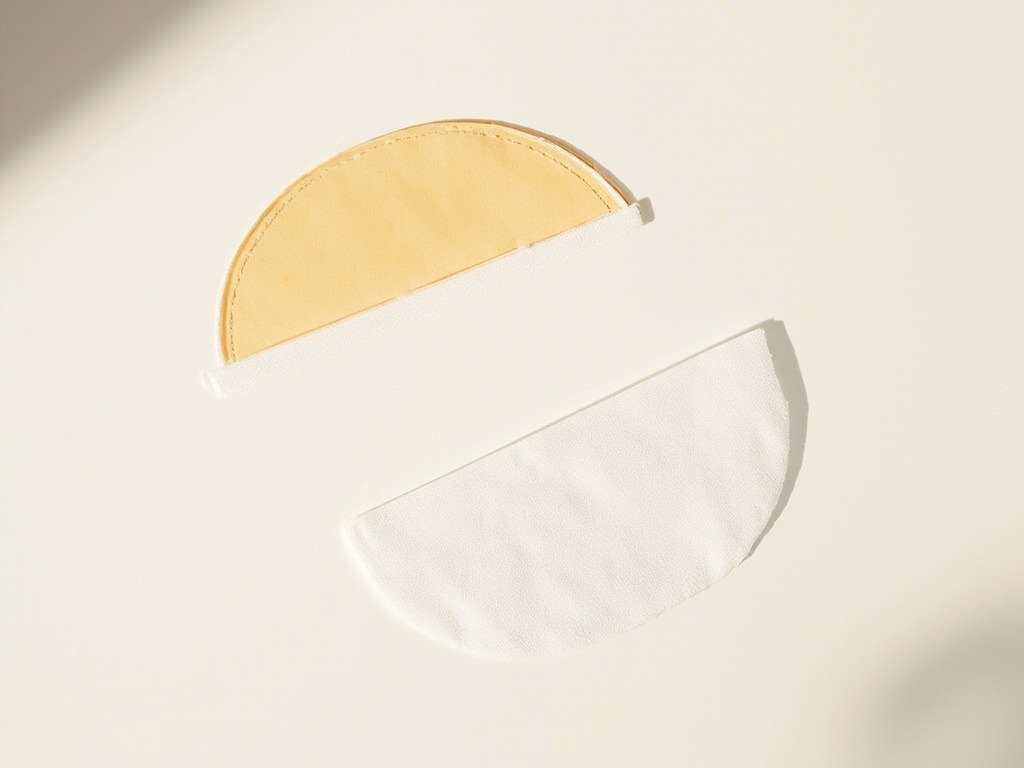
A fever patch for kids is a hydrogel or polymer strip that sticks to the forehead and feels cool against the skin. It does not lower the body's core temperature and it is not a treatment for whatever is causing the fever. Think of it as a comfort measure — something that may soothe a cranky, hot child while you decide whether the actual fever needs medicine, a doctor, or just time. The patch works through gentle evaporation and contact cooling on the forehead, not by entering the bloodstream or attacking the underlying infection.
Cooling patches are widely sold in pharmacies and online, but their job is small and specific. If your child is under 3 months old, has a fever above 38°C / 100.4°F, is unusually sleepy, refuses fluids, or has a rash that doesn't blanch when pressed, the patch is the wrong tool. The right tool is a phone call to your pediatrician or a visit to urgent care. Use the patch to comfort a child whose fever is already being managed, not to replace the management itself.
What the patch actually does to the skin
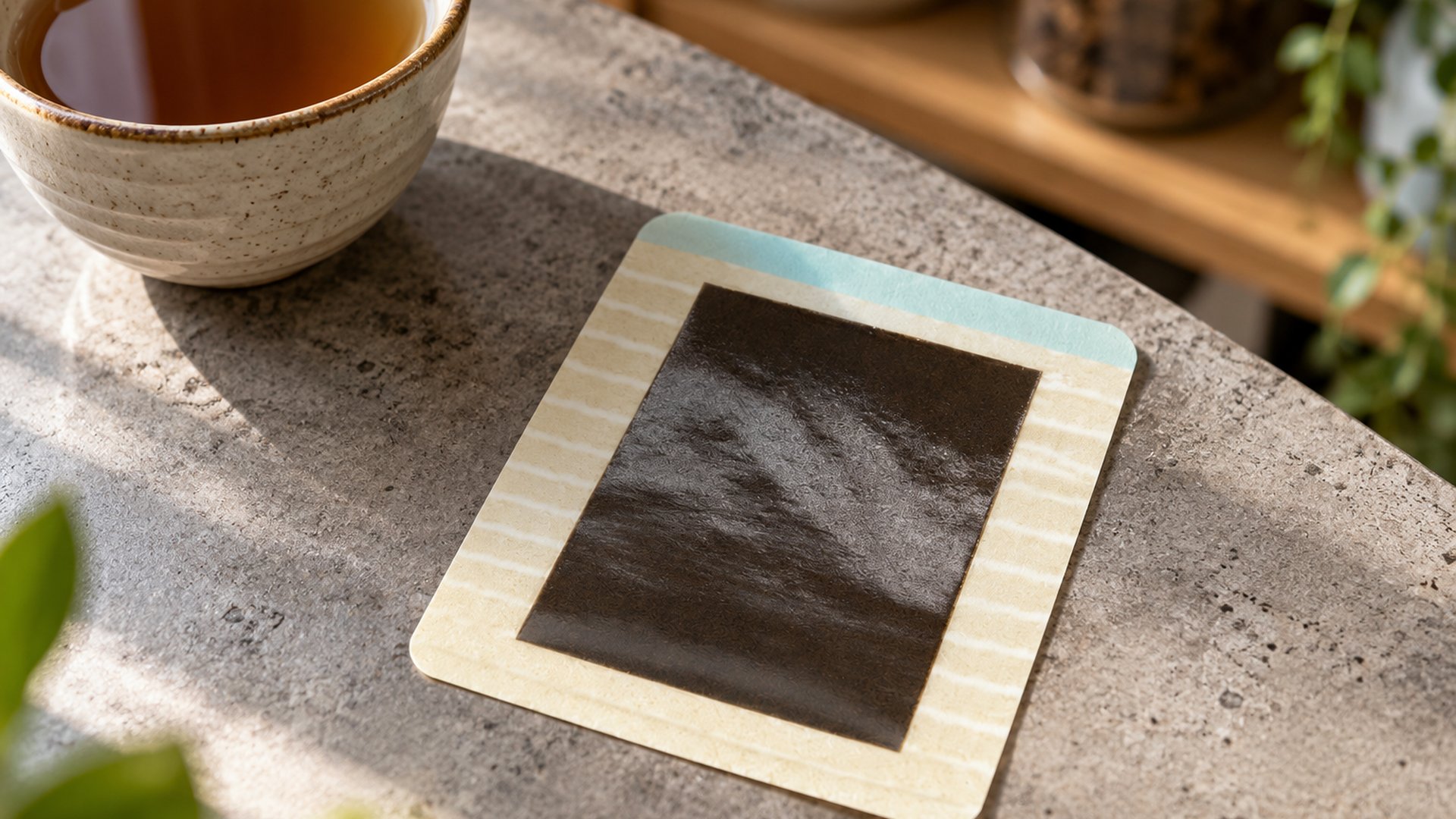
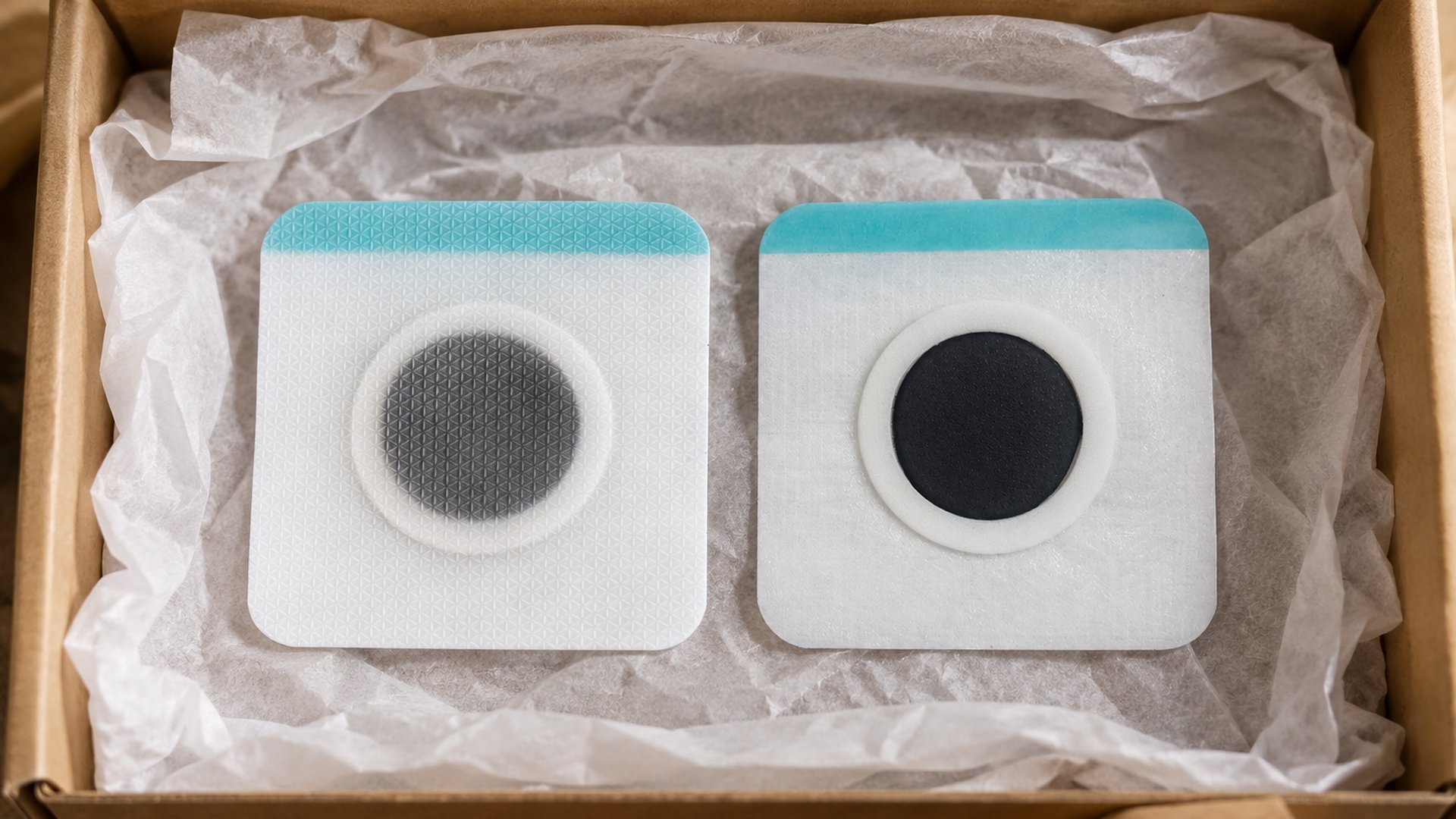
Most kid-sized cooling patches are built from a hydrogel matrix — a water-rich polymer that holds moisture against the epidermis. The outer layer is usually a non-woven fabric, and the adhesive is a medical-grade acrylic that grips the forehead without leaving heavy residue. As the water in the gel slowly evaporates, it draws a small amount of heat away from the skin surface. The sensation is real but local: the forehead may read 1–2°C cooler to the touch, while the child's rectal or underarm temperature, which reflects the body's core, is essentially unchanged.
Read the box carefully. A "cooling duration" of 6–12 hours refers to how long the patch keeps feeling cool, not how long it works on the fever. After the gel dries out, the strip is just fabric. Pairing a patch with a correct dose of children's acetaminophen or ibuprofen, given by weight, is the combination that actually changes how a child feels. The patch alone is a comfort, not a cure.
Age-by-age: when a patch is okay and when to skip it
| Age range | Appropriate use of a cooling patch | Watch for instead |
|---|---|---|
| Under 3 months | Not recommended as a first response. Any fever at this age warrants a call to the doctor the same day. | Rectal temperature 38°C / 100.4°F or higher, poor feeding, lethargy, weak cry. |
| 3–12 months | Use only after the pediatrician has been consulted and a fever reducer has been dosed by weight. | Vomiting, dehydration signs, fewer wet diapers than usual, fever lasting more than 24 hours. |
| 1–3 years | Generally fine as a comfort measure alongside appropriate medication and fluids. | Fever above 39°C / 102.2°F, febrile seizure history, inconsolable crying. |
| 3–6 years | Same as 1–3; kids this age often accept the patch more willingly. | Stiff neck, severe headache, rash with small purple spots, breathing difficulty. |
| 6+ years | Comfort measure only; child can usually tell you if the patch feels good or annoying. | Fever persisting beyond 3 full days, returning fever after seeming well. |
The numbers in the right-hand column aren't arbitrary. The 38°C / 100.4°F threshold for a rectal reading in any infant under 3 months is the trigger most pediatric associations use to flag a same-day clinical review — check the applicable local requirements for the exact guidance in your country. For older babies and toddlers, the trigger typically rises to higher numbers or longer durations before urgent care is needed.
When to call the doctor instead of reaching for the box
A patch is the wrong move when the situation is bigger than comfort. Pick up the phone if your child is under 3 months and has a measured temperature of 38°C / 100.4°F or above, or if a child of any age shows any of the following: a seizure, a stiff neck, trouble breathing, a rash of small red-purple spots that don't fade when you press a glass against them, severe headache, persistent vomiting, signs of dehydration (no wet diaper for 8 hours, no tears when crying, sunken soft spot), or a fever that came back after a few symptom-free days. Trust the underarm or ear reading only when a rectal reading is impractical, and always confirm the result with a recheck in 15 minutes. If the child is unusually drowsy, hard to wake, or simply "not themselves," that is reason enough to call regardless of the number on the thermometer.
Practical rules while you wait for the call
- Keep the child lightly dressed — overdressing traps heat and works against the body's own cooling.
- Offer small, frequent sips of water, oral rehydration solution, or milk; fluid intake matters more than the patch.
- Recheck the temperature every 4–6 hours, or sooner if the child seems worse.
- Note when the fever started, the highest reading, and any medicine given with the time and dose — that log is what the doctor will ask for first.
- Skip cold baths, ice rubs, and alcohol sponging; the patch's gentle surface cooling is safer than any of those older home remedies.
Choosing a patch that won't cause a new problem
Most kid-targeted patches are nearly identical in design, but a few small details separate a sensible buy from a wasted one. Look for a clearly stated age range on the outer pack — pediatric patches are usually smaller (around 5 × 12 cm) so they fit a child's forehead without sliding into the eyebrows. Look for fragrance-free or "sensitive skin" labeling if your child has eczema or a history of contact allergies. The adhesive should be acne- and residue-friendly; an acrylic-based gel tends to peel off cleanly without tugging baby hair. Avoid patches that advertise "medicated" or "herbal" ingredients in a child's product unless your pediatrician has specifically recommended the active component, since plant extracts such as menthol or camphor can irritate young skin or, in rare cases, act as a stimulant at high exposure.
Storage matters more than people expect. Hydrogel patches dry out in a hot car or a steamy bathroom, so keep sealed pouches in a cool, dry drawer. Check the expiry date: a gel past its date may feel cool for only an hour instead of the promised 6–12 hours. If the individual sachet is no longer fully sealed, the patch has already started losing water and is not worth using.
How to apply it so it actually stays on
Wipe the forehead with a damp cloth and let it dry completely — any oil, sweat, or sunscreen will weaken the adhesive and the patch will slide off within minutes. Peel the backing slowly from one short end, hold the patch by the corners, and lay the center on the forehead first, then smooth outward to the edges. Press the edges down with a fingertip for 5–10 seconds so the acrylic grips the skin. If your child hates the sensation, try placing the patch while they rest their head on your lap with a short story; distraction beats negotiation. Remove the patch by lifting one corner and stretching the adhesive gently sideways rather than pulling straight up, which is gentler on the epidermis.
One patch per forehead at a time is the standard rule. Stacking two patches, or adding a cold washcloth on top, doesn't multiply the cooling — it just makes the child uncomfortable and can irritate the skin. Replace the patch when it stops feeling cool, usually every 6–8 hours, and dispose of the used strip in the trash; don't flush it.
What the patch won't do, and what it might do
The list of what a patch won't do is longer than the list of what it will. It won't shorten the illness. It won't prevent febrile seizures, which are driven by how fast the temperature rises, not by the absolute number. It won't fight the virus or bacterial infection causing the fever. It won't replace a dose of acetaminophen or ibuprofen when the child is genuinely miserable. What it can do is give a fussy toddler something cool and novel to focus on, ease the feeling of heat on the forehead during the worst hours of the fever, and let a tired parent do one small, concrete thing while waiting for the medicine to kick in. That is a real, modest benefit — it just isn't medicine.
Side effects are uncommon but worth knowing. The most frequent issue is mild skin redness where the adhesive sits; this usually fades within an hour of removal. A small number of children with sensitive skin develop a contact rash that looks like tiny bumps or a faint pink patch in the exact shape of the strip. If that happens, stop using the product and let the skin rest for a day before trying another patch from a different brand. Very rarely, a child reacts to the gel itself with hives or swelling around the face; treat that as an allergy and seek medical advice.
Safety checklist before you tape anything to your child
Run through this short list the first time you use a new brand, and again any time the child is younger than the previous time you used it.
- Confirm the age range on the pack matches (or is older than) your child's age.
- Check the expiry date and the integrity of the individual sachet.
- Read the ingredient list for menthol, camphor, or botanical extracts if your child has any history of eczema or allergies.
- Have a rectal or underarm thermometer ready — skin strips and "fever scan" forehead devices are not reliable enough to base decisions on.
- Keep children's acetaminophen or ibuprofen on hand, dosed by weight rather than age.
- Save the pediatrician's number in your phone, including the after-hours line.
Where parents commonly get this wrong
Three patterns show up again and again in pediatric urgent-care visits. First, parents sometimes treat the patch as the treatment and skip the medicine, then arrive at the clinic hours later with a child whose fever has climbed past 40°C / 104°F. Second, parents place the patch on a child who is shivering — shivering is the body generating heat, and covering it with a cooling strip just makes the child more miserable without helping. Third, parents leave a patch on overnight and check the temperature only in the morning; a fever that climbed while everyone slept is exactly the kind of situation the patch was never designed to catch.
A final, smaller caution: older siblings sometimes "share" a patch by peeling it off one child and sticking it on another. The adhesive loses most of its grip after first use, and the gel has already equilibrated with the first child's skin temperature. Use a fresh patch for each child, every time.
Limitations and safety summary
This article is general information, not a substitute for a clinician who knows your child. The age thresholds, temperature numbers, and warning signs listed here reflect common pediatric guidance, but local protocols vary — check the applicable local requirements and your own pediatrician's instructions. Cooling patches are comfort products, not medical devices intended to diagnose, treat, or cure any condition. If anything in your child's presentation worries you, the safest answer is the phone call, not the patch.
About the manufacturer behind the patch
Cooling patches for kids are produced by a small number of hydrocolloid and hydrogel manufacturers, and the design has changed very little in the past decade. Hanmeng Bio-Tech is one of the manufacturers working in this category, with transdermal patch capabilities that cover both consumer wellness products and clinical formats. For a general overview of the company's OEM and pharmaceutical-patch work, see Han's pharmaceutical-patch OEM page. This is a category reference, not a product endorsement — your child's fever patch should always be chosen for its age-appropriate fit, clean ingredients, and your clinician's sign-off, not for the manufacturer alone.
CATEGORIES
LATEST NEWS
- Sinew-Bone Pain-Bi Patch Private Label Manufacturer Supply Agreements
- What Hand Mask Custom Packaging Supplier Quotes Overlook
- Kids Herbal Foot Patch Contract Manufacturer: Safety Specifications First
- Mugwort Steam Eye Mask Private Label Manufacturer Readiness Check
- Mugwort Essential Oil Custom Formula Supplier: Formulation Approval Milestones
CONTACT US
QQ: 396269538
Phone: 17796669065
Tel: 17796669065
Email: 396269538
Add: Room 001, 1st Floor, Building 1, Zhengzhou Hangmei International Smart City, Intersection of S102 and Nanquan Road, Xuedian Town, Xinzheng City, Zhengzhou, Henan Province, China