Industry news
Best Pain Relief Patches: A Body-Area Buyer's Map
Industry news 2026-08-13 10:35:22 83 views admin
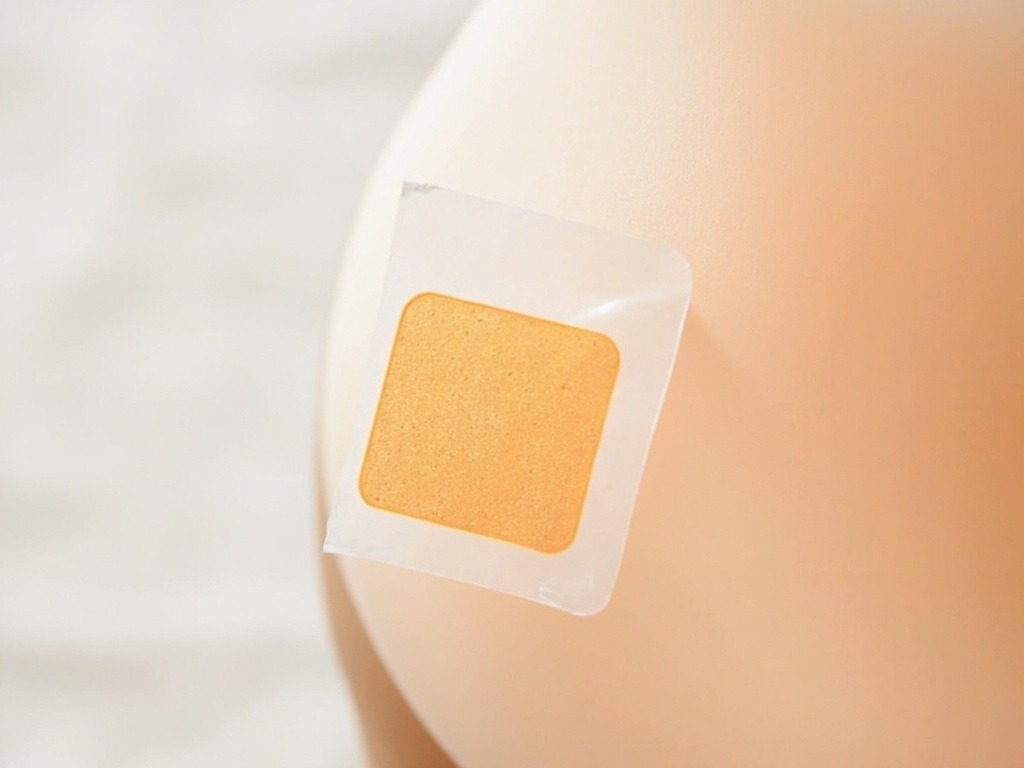
Best for: adults with one stubborn pain spot, office workers with neck and shoulder tension, runners and lifters managing knee soreness, caregivers buying for an older parent with lower back stiffness.
The short answer: a good pain relief patch is the one that matches the body area you actually feel the ache in, the wear time you can tolerate, and the active ingredient your skin tolerates. Patches are not interchangeable. A menthol gel patch that feels great on a broad lower back muscle can curl up and peel on a kneecap; a capsaicin patch that works through deep joint stiffness in the shoulder may be too aggressive for the thin skin along the spine. Picking the right format is most of the decision.
Why the Body Area Changes the Patch Decision
Pain is the same signal on a wire, but the tissue under the skin is not the same surface. A patch laid across the lumbar paraspinals lies flat over a broad, soft muscle belly that bends with sitting. The same adhesive lifted over the patella fights a bony knob that moves under the skin every time the knee bends. That single mechanical difference drives most of the consumer complaints you read in reviews: peeling, bunching, sensation in the wrong spot.
Two further variables matter as much as the active ingredient. The first is skin thickness. Skin over the kneecap and along the spine is thinner and more sensitive than the meaty trapezial ridge where most people carry shoulder tension. The second is movement frequency. A lower back patch sits still when you stand; a neck patch stretches and recoils every time you turn your head. Adhesive shear force on a neck patch can be ten times higher than on a lumbar patch during a normal workday.
How a Topical Patch Eases Pain (Three Routes, Not One)
Most over-the-counter patches rely on one of three mechanisms. Cooling or heating sensations, counter-irritant chemistry, and localized drug delivery through the epidermis.
The cooling/heating route uses menthol, camphor, or a mild warming agent such as vanillyl butyl ether. These do not penetrate deeply. They saturate local sensory receptors and the brain reinterprets the local signal as less painful, a process called gate modulation. Useful for fresh muscle soreness, less useful for chronic joint ache.
The counter-irritant route uses methyl salicylate or capsaicin. Methyl salicylate is a rubefacient that increases local blood flow and produces a mild analgesic effect. Capsaicin works by depleting substance P, a neurotransmitter that carries pain signals from peripheral nerves to the spinal cord. Capsaicin needs repeated daily use over7 to 14 days before the depletion is meaningful, so it is a poor choice for acute flare-ups and a reasonable choice for persistent knee osteoarthritis discomfort.
The drug-delivery route uses non-steroidal anti-inflammatory drugs, most commonly diclofenac or lidocaine. These do reach deeper tissue. Diclofenac patches, where available without prescription, are well studied for osteoarthritis of the knee and for tendon pain around the shoulder. Lidocaine patches are local anesthetics that numb the area where they sit. Both require more careful reading of the label than menthol patches do.
Matching Patch Type to Body Area
| Body area | Tissue & movement | Patch feature that matters | Common fit problem |
|---|---|---|---|
| Neck | Thin skin, constant motion, curves over vertebrae | Flexible fabric backing, smaller patch (under 10×14 cm), low-irritant adhesive | Edges lift at jaw and collar when you talk |
| Shoulder | Thick muscle (trapezius, deltoid), reaches behind the back | Large rectangular patch that can wrap the upper arm contour | Patch slides down the slope of the deltoid |
| Lower back | Broad, flat muscle group; mostly static when standing | Wide patch (at least 10×20 cm), strong full-coverage adhesive | Bunching when sitting forward in a chair |
| Knee | Bony prominence (patella), skin stretches with every bend | Contoured or oval shape that flexes with the joint | Patch peels at the patellar edges within an hour |
Reading the Label Without Getting Lost
Three numbers on the package actually matter. The active ingredient and its strength per patch. The intended single-application wear time, which on consumer patches ranges from 4 hours for high-dose lidocaine up to 12 hours for many menthol or diclofenac products. And the maximum number of patches per day. Ignore marketing copy about "deep heat" or "maximum strength" if the active ingredient list is the same as the cheaper product next to it on the shelf.
Two further flags are worth scanning for. First, the inactive adhesive: acrylic adhesives tend to be gentler on sensitive skin than rubber-based ones, but they hold less aggressively on a sweating knee. Second, the backing fabric: elastic non-woven fabric moves with the body, polyethylene film does not.
Application Habits That Change the Outcome
Most patches fail because of how they go on, not because of what is in them. Three habits make a measurable difference.
- Clean the skin with plain soap and water, then dry thoroughly. Oils, lotions, and sweat all reduce adhesion and increase the chance of the patch sliding off within the first hour.
- Warm the patch between your palms for thirty seconds before applying. The adhesive activates with body heat and a pre-warmed patch reaches full tack faster.
- Avoid stretching the patch as you lay it down. Lay it flat, smooth from the center outward, and let it conform rather than pulling it taut.
Removal matters too. Lift from a corner slowly, in the direction of hair growth, rather than yanking. If adhesive residue remains, a small amount of mineral oil on a cotton pad removes it without scrubbing the skin.
Wear Time, Sleep, and Day-to-Day Trade-offs
Most consumer patches are designed for 8 to 12 hours of wear. A menthol or capsaicin patch left on overnight delivers a more uniform dose than one worn for two hours in the afternoon, because the active exposure is continuous. Lidocaine patches are usually capped at 12 hours on, 12 hours off, because of systemic absorption concerns. Diclofenac patches are typically applied twice daily with at least 6 hours between changes.
Heat is the variable most people underestimate. A patch that feels mild at room temperature can feel sharp after a hot shower or under a heating pad. Warmth increases skin permeability and accelerates drug transfer, which is desirable for chronic ache but easy to misjudge. If you use a heating pad, place it on top of the patch only if the label says it is safe to do so.
Safety, Side Effects, and Who Should Skip Patches
Topical patches are not risk-free. The most common issue is skin irritation under the adhesive, which appears as a red rectangular outline that matches the patch edges. It is more frequent on the neck and the inner upper arm than on the lower back, because the skin is thinner in those zones. Rotation between two application sites, with at least a day off between applications on the same spot, reduces this risk.
Three groups should check with a clinician before regular use: people taking blood thinners (because some NSAID patches enter the bloodstream in small amounts), people with broken or inflamed skin at the intended site, and pregnant people, for whom data on topical NSAID absorption is limited. Do not apply patches over a fresh surgical incision, a sunburn, or an area with active dermatitis.
Stop use and seek advice if you see blistering, a burn-like mark, or a rash that spreads beyond the patch border. These can indicate either an allergic reaction to the adhesive or a photosensitivity reaction if the area is later exposed to sunlight.
When a Patch Is the Wrong Tool
Sharp, sudden pain after a fall, numbness, weakness in a limb, or pain that wakes you from sleep is not a patch problem. Patches are designed for localized, recognizable, mechanical discomfort in a soft tissue area you can point to with one finger. Pain that is diffuse, that migrates, or that comes with neurological symptoms is a reason to see a clinician rather than a reason to buy a bigger box of patches.
Where Patches Come From and How OEM Manufacturers Fit In
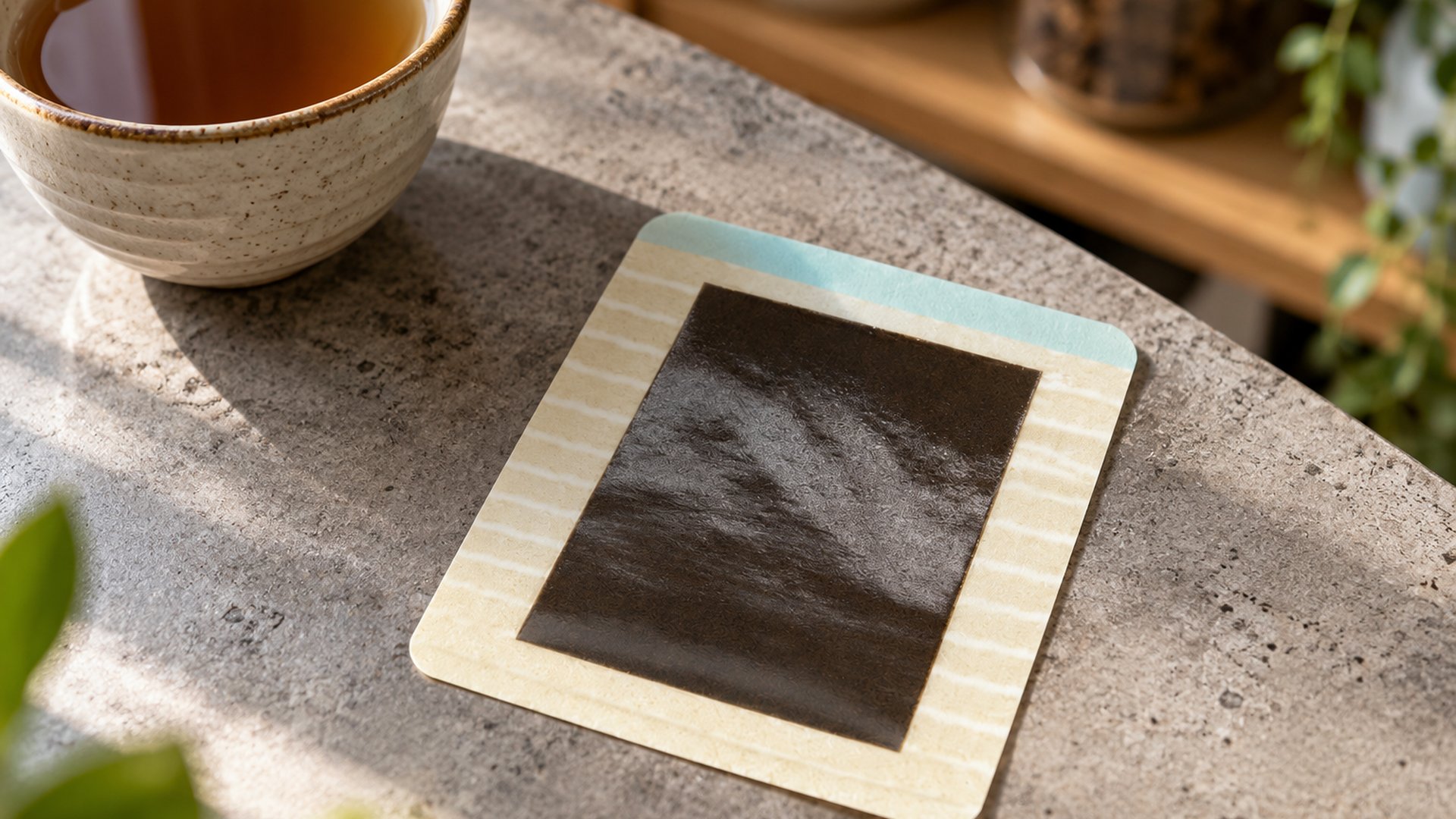
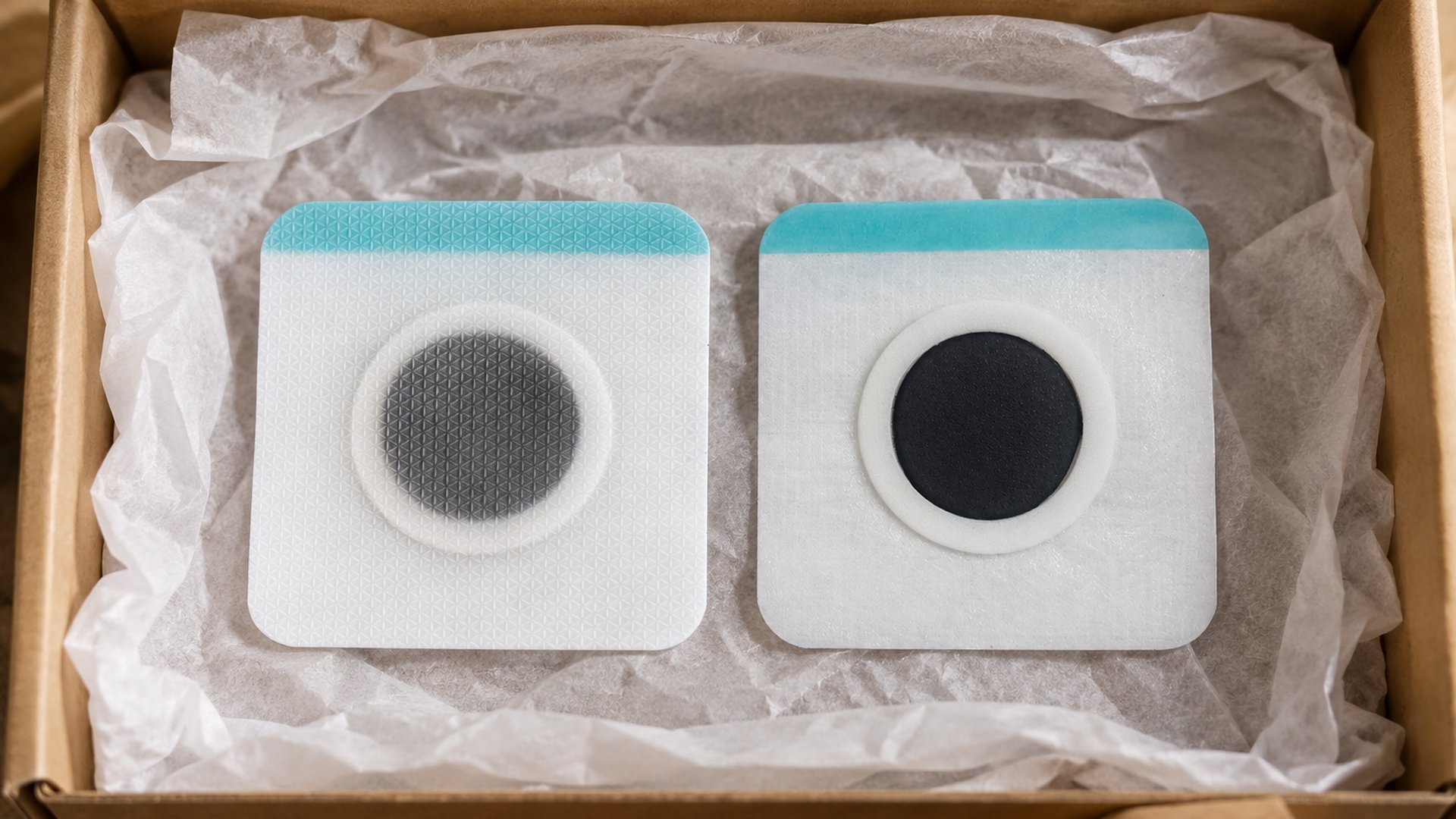
If you are a brand or retailer building your own pain relief patch line, the manufacturing conversation moves from active ingredient and wear time to specification sheets, minimum order quantity, lead time, and regulatory documentation. A manufacturer experienced in pharmaceutical patch OEM can support both OTC and prescription formats and typically offers formula development, pilot batches, and finished product under one roof. For a starting point on what a private-label patch program usually covers, seepharmaceutical patch OEM capabilities.
CATEGORIES
LATEST NEWS
- Sinew-Bone Pain-Bi Patch Private Label Manufacturer Supply Agreements
- What Hand Mask Custom Packaging Supplier Quotes Overlook
- Kids Herbal Foot Patch Contract Manufacturer: Safety Specifications First
- Mugwort Steam Eye Mask Private Label Manufacturer Readiness Check
- Mugwort Essential Oil Custom Formula Supplier: Formulation Approval Milestones
CONTACT US
QQ: 396269538
Phone: 17796669065
Tel: 17796669065
Email: 396269538
Add: Room 001, 1st Floor, Building 1, Zhengzhou Hangmei International Smart City, Intersection of S102 and Nanquan Road, Xuedian Town, Xinzheng City, Zhengzhou, Henan Province, China