Industry news
methyl salicylate external patch 10 %
Industry news 2026-07-30 10:30:49 124 views admin
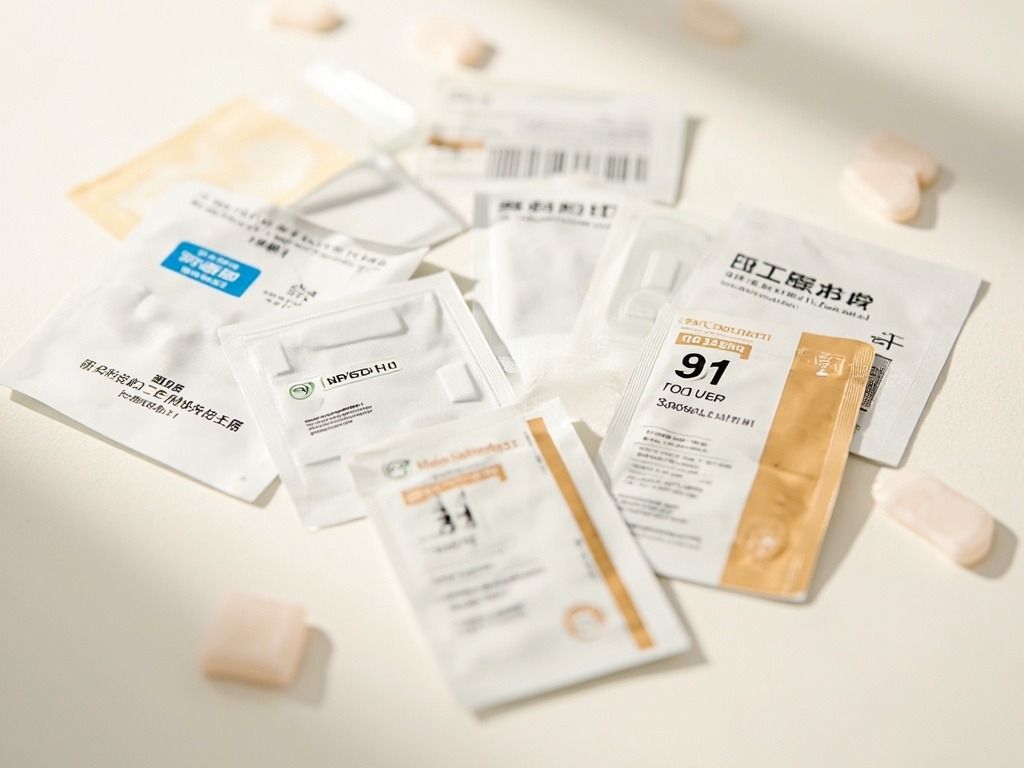
Best for: OTC shoppers comparing menthol vs capsaicin vs lidocaine vs methyl salicylate patches, older adults with chronic joint aches, athletes managing delayed-onset muscle soreness, parents buying for teenagers with bruises, value-driven buyers choosing a multi-day wear patch.
A 10 % methyl salicylate external patch is a topical, single-ingredient counterirritant that delivers methyl salicylate through the stratum corneum into the underlying tissue, where the compound produces a warming sensation that partially masks the perception of musculoskeletal aches. It is sold without a prescription, applied directly over intact skin, and competes in the same shelf set as menthol, capsaicin, and lidocaine patches. Consumers weighing these options are usually optimizing for wear time, scent, skin tolerance, and whether they want a sensation-based product or a numbing-based product. This article lays those four active ingredients side by side and ends with a buyer decision rule.
What 10 % methyl salicylate actually does
Methyl salicylate is a synthetic cousin of wintergreen oil. At a 10 % loading in an adhesive patch it falls well under the threshold at which systemic salicylate absorption becomes a real concern in adults, but it is still pharmacologically active at the surface. The compound is classified as a counterirritant, meaning the warming it generates competes with deeper ache signals traveling along the same nerve pathways, an effect described in the literature since the 1950s as "gate-like" sensory competition rather than true tissue repair.
Warming patches feel hot because cutaneous thermoreceptors are being recruited. A 10 % methyl salicylate patch typically warms the skin within 10–20 minutes of application and continues producing that sensation for the labeled wear window, which is commonly 6–8 hours per patch. There is no clinically demonstrated cartilage regrowth, no repair of ligaments, and no impact on inflammation biomarkers from this single ingredient in OTC patch form. What it offers is a sensory overlay that can make an achy joint or muscle easier to tolerate during daily activity.
How menthol, capsaicin, lidocaine, and methyl salicylate differ
The four active ingredients most often seen in OTC pain patches operate through different nerve receptors and produce noticeably different sensations.
| Active ingredient | Sensation | Receptor / mechanism | Typical patch wear | Odor on skin |
|---|---|---|---|---|
| Methyl salicylate 10 % | Warming, gradually builds | Counterirritant; warmth masks ache | 6–8 hours | Strong wintergreen scent |
| Menthol | Cooling, immediate | TRPM8 cold-receptor activator | 4–8 hours | Mint, light |
| Capsaicin | Burning first, then dulling | TRPV1 depletes substance P over days | Up to 12 hours per application | None |
| Lidocaine 4 % OTC | Numbing | Blocks sodium channels in local nerves | Up to 8–12 hours (labeled) | None |
A shopper who wants a familiar minty feel should reach for menthol; a shopper who wants genuine numbness should reach for lidocaine. Capsaicin is the slow-build option that requires two or three daily applications before the substance-P depletion starts to dull an area. Methyl salicylate is the warming middle ground, often chosen by people who dislike the cold of menthol or the burning intro phase of capsaicin.
Wear-time and day-to-day comfort
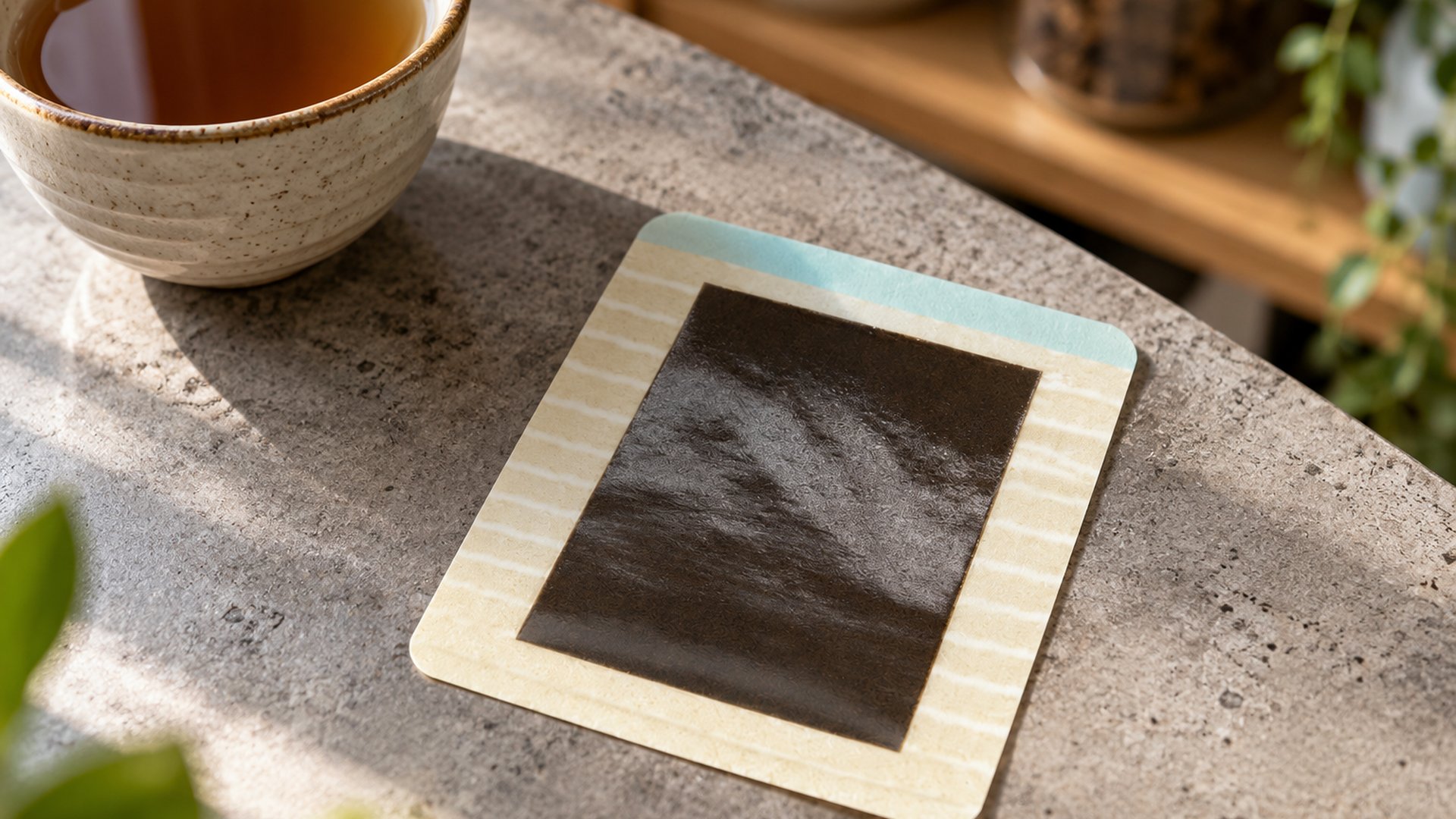
Patch weight, backing material, and adhesive aggressiveness vary more by brand than by active ingredient. A 10 % methyl salicylate patch from a mainstream pharmacy is usually 9–14 cm wide, thin enough to sit under loose clothing, and stiff enough that peeling it off a curved knee or shoulder does not fold the adhesive onto itself.
Most wear windows printed on U.S. OTC labels cap continuous use at 8 hours per patch and 3 patches per 24 hours. The skin under a methyl salicylate patch should be dry and unbroken; showering, sweating, or applying lotion first can lift the edges and force the wearer to replace it sooner. If a patch is removed after 4 hours because the adhesive has failed, the consumer has effectively lost half the labeled dose.
Skin sensitivity and who should avoid which patch
Counterirritant patches do occasionally trigger contact dermatitis, and methyl salicylate is one of the more frequent culprits because the warming sensation hides the early itching of an irritant reaction. Anyone with a known aspirin or salicylate sensitivity should skip methyl salicylate and avoid using it concurrently with topical NSAIDs on the same body region, since percutaneous absorption does occur at low levels even from a 10 % patch.
- Skip methyl salicylate if you have an aspirin allergy, broken skin, or active eczema over the target area.
- Skip capsaicin on the face, scalp, or mucous membranes; wash hands thoroughly after application, and never apply right before a hot shower, which amplifies the burn.
- Skip lidocaine 4 % OTC patches if you have a known amide-local-anesthetic allergy, severe liver impairment, or are layering it over another numbing product.
- Menthol has the lowest dermatitis rate of the four but should still be kept away from the eyes and not used on infants under the labeled age cutoff, since menthol can trigger apnea in very young children.
Buying checklist: how to choose between the four in 60 seconds
Use this short rule of thumb at the shelf.
If the pain feels like muscle tightness and you want a warming, scent-forward patch, choose methyl salicylate. If the pain feels like a sharp bruise and you want a clean, odor-free numbing sensation, choose lidocaine. If the pain is a deep joint ache you want to dull over several days rather than hours, choose capsaicin and commit to twice-daily use for a week. If you want an immediate cooling tingle that masks soreness without any real heat or burn, choose menthol.
A reasonable starting pack for a household is one box of methyl salicylate patches for warming muscle relief, one box of menthol patches for after-exercise cooling, and a small tube of capsaicin cream for the chronic spots that do not respond to counterirritants. Lidocaine patches are worth adding only if a household member has a recurring localized pain that has not responded to warming or cooling options.
Limitations and safety boundary
Topical counterirritants do not treat the underlying cause of joint or muscle pain. A 10 % methyl salicylate patch cannot reverse osteoarthritis, accelerate healing of a strain, or substitute for a prescribed analgesic. Evidence for these patches is largely based on short-term sensory studies, and effects on functional recovery are not established in large randomized trials for the OTC concentration. Persistent pain beyond 7 days, any redness or swelling that spreads, numbness that does not resolve after patch removal, or a skin reaction that lingers should prompt a clinician visit rather than another box of patches. Do not combine a methyl salicylate patch with heating pads, since external heat plus a counterirritant can produce thermal injury without the wearer noticing the temperature climb.
How patches are actually made (for the curious shopper)
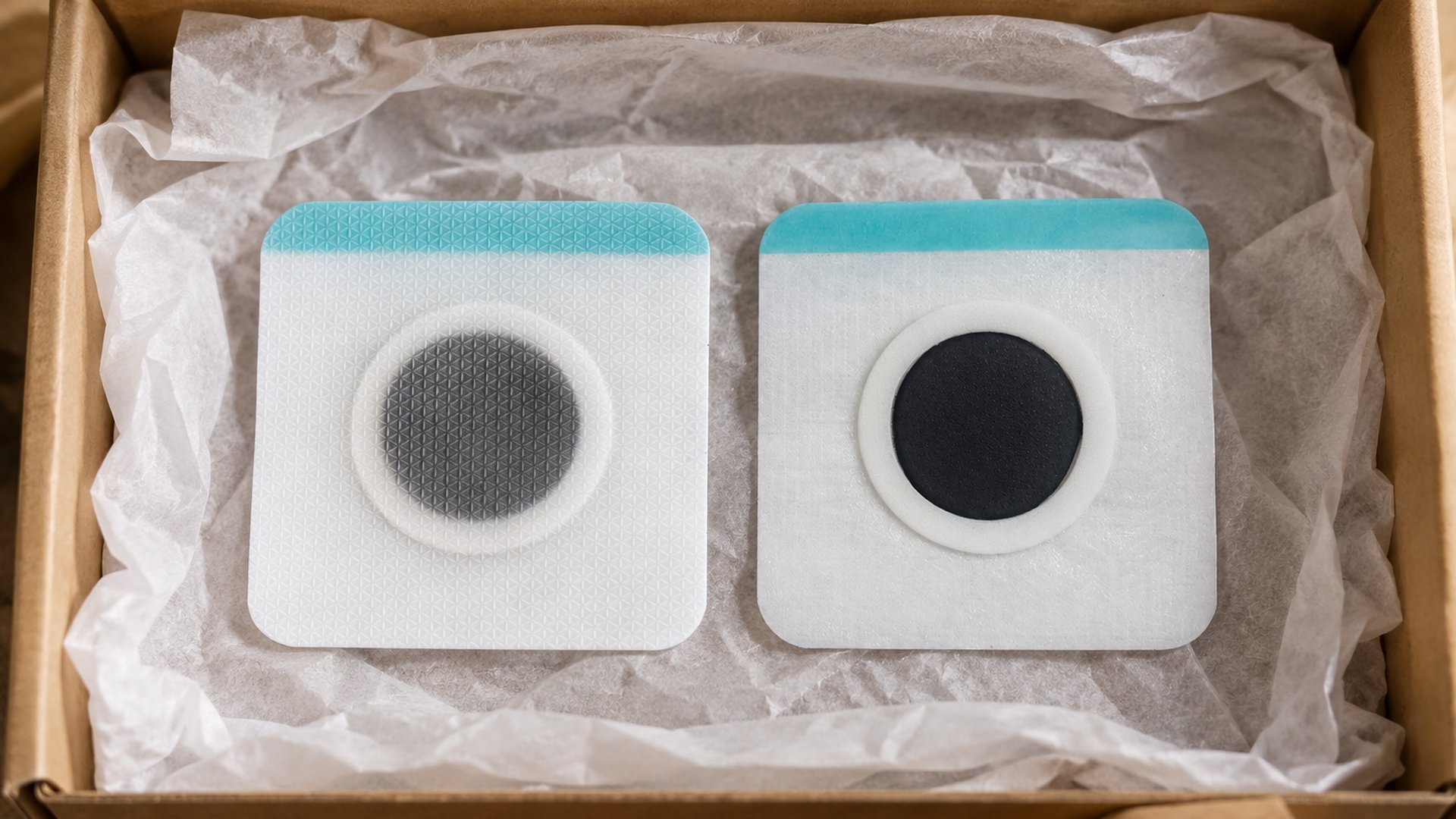
Most OTC pain patches are built as a five-layer laminate: a printable backing film, the adhesive matrix that carries the active ingredient, a release liner that is peeled away at the moment of application, a non-woven middle layer in some designs, and a silicone-coated protective strip. The methyl salicylate is dispersed into the adhesive at 10 % by weight before the laminate is cured and slit into individual patches. Stable dispersion is what separates a patch that warms evenly across its surface from one that delivers a hot center and a cold edge, which is a manufacturing problem rather than a formulation choice.
Final decision rule
Pick the sensation you can tolerate for 6–8 hours, because the labeled wear window is the real limit on any of these products. Methyl salicylate 10 % is the right call when the answer is warming, the buyer is not salicylate-sensitive, and a wintergreen scent is acceptable. Everything else on the shelf is a variation on cooling, burning, or numbing, and once a shopper locks in the sensation, the brand decision is mostly about adhesive quality and patch size.
Manufacturer note
Henan Hanmeng Bio-Tech manufactures topical patch formats at OEM scale for partners supplying pharmacy, sports-recovery, and clinical channels. For background on patch formats, lead time, and customization options typically available from the manufacturer, see Hanmeng pharmaceutical patch OEM. Specific MOQ, lead times, and validated product specifications should be confirmed directly with the manufacturer rather than inferred from general capability descriptions.
CATEGORIES
LATEST NEWS
- Sinew-Bone Pain-Bi Patch Private Label Manufacturer Supply Agreements
- What Hand Mask Custom Packaging Supplier Quotes Overlook
- Kids Herbal Foot Patch Contract Manufacturer: Safety Specifications First
- Mugwort Steam Eye Mask Private Label Manufacturer Readiness Check
- Mugwort Essential Oil Custom Formula Supplier: Formulation Approval Milestones
CONTACT US
QQ: 396269538
Phone: 17796669065
Tel: 17796669065
Email: 396269538
Add: Room 001, 1st Floor, Building 1, Zhengzhou Hangmei International Smart City, Intersection of S102 and Nanquan Road, Xuedian Town, Xinzheng City, Zhengzhou, Henan Province, China