Industry news
TENS Electrode Patches: How Transcutaneous Electrical Nerve Stimulation Differs from Chemical Pain Patches
Industry news 2026-07-17 11:00:00 43 views admin
TENS Electrode Patches: How Transcutaneous Electrical Nerve Stimulation Differs from Chemical Pain Patches
Best for: trapezius spasm and tech-neck tension, post-exercise muscle soreness, menstrual cramp pain, acute sports injury recovery, diabetic neuropathy adjunct, and chronic low back pain where chemical analgesics are contraindicated.
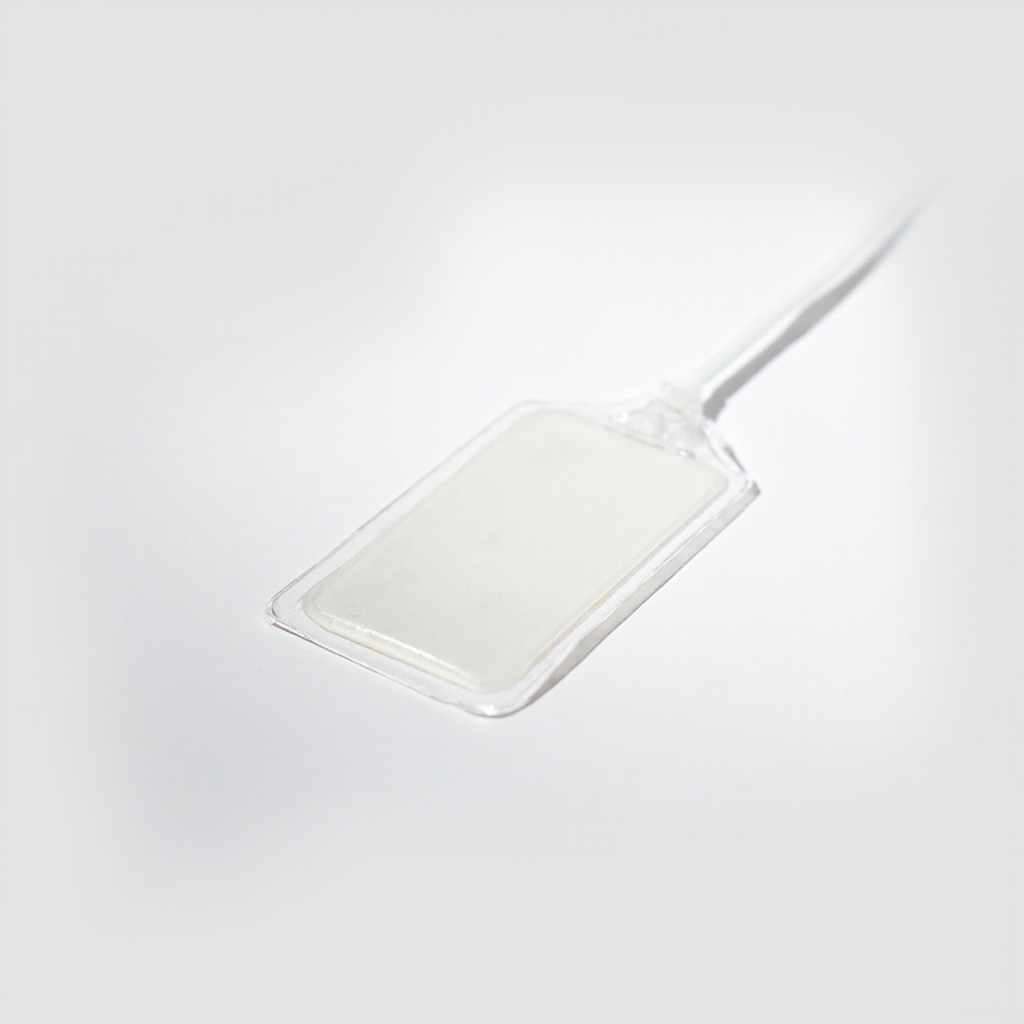
TENS (transcutaneous electrical nerve stimulation) electrode patches deliver pulsed electrical current through hydrogel-adhesive electrodes rather than pharmacological actives. The mechanism is fundamentally different from menthol, lidocaine, methyl salicylate, or capsaicin: TENS modulates pain signals through spinal gating and descending inhibitory pathways, not through receptor binding or substance depletion. This article walks through the engineering, the clinical-evidence base, and the B2B spec sheet a private-label brand owner needs to brief an OEM factory.
What is TENS, and how does a TENS electrode patch work?
A TENS system has three components: a pulse generator (a small battery-powered controller, often the size of a deck of cards), lead wires, and a pair of electrode patches that adhere to the skin. The patches themselves are passive — they deliver current to the skin but contain no active pharmaceutical ingredient. The TENS effect is achieved by adjusting pulse frequency, pulse width, and intensity on the controller.
Two principal mechanisms produce analgesia:
- High-frequency TENS (50-150 Hz) - activates large-diameter A-beta sensory fibers, which "close the gate" on pain signals carried by small-diameter C and A-delta fibers at the spinal dorsal horn. Effect is felt within minutes; ceases when stimulation stops.
- Low-frequency TENS (1-10 Hz) - triggers release of endogenous opioids (beta-endorphin, met-enkephalin) and serotonin in the spinal cord and brainstem. Effect builds over 20-30 minutes; produces residual analgesia for 30-60 minutes after stimulation stops.
Most consumer TENS units allow the user to switch between high-frequency and low-frequency modes, and to combine them in alternating patterns. The electrode patch itself does not change — only the controller settings.
TENS electrode patches versus chemical analgesic patches: which to use when
| Parameter | TENS electrode patch | Chemical analgesic patch (menthol / lidocaine / etc.) |
|---|---|---|
| Mechanism | Electrical modulation of spinal pain gating | Receptor binding (TRPM8 / Na+ channels / COX) |
| Onset of relief | Immediate (during stimulation) | 1-60 minutes (depends on active) |
| Duration of effect | During stimulation + 30-60 min after (low-freq mode) | Continuous during wear (4-12 h) |
| Active ingredient | None (electrical only) | Menthol / lidocaine / capsaicin / methyl salicylate |
| Skin tolerance | Generally well tolerated; mild redness possible | Variable; menthol and capsaicin can irritate |
| Drug interactions | None | Methyl salicylate - warfarin / aspirin; lidocaine - antiarrhythmics |
| Pregnancy | Use with obstetrician guidance | Generally avoided for methyl salicylate and capsaicin |
| Required hardware | TENS controller + lead wires | None (self-contained) |
| Cost per use | Low (electrode reusable 20-50 times) | Higher (single-use per patch) |
| Regulatory category (US) | Class II medical device (FDA 510(k)) | Cosmetic / OTC monograph / structure-function |
| Best for | Acute muscle spasm, post-exercise, drug interaction patients | Sustained background relief during daily activities |
Clinical-evidence base for TENS in pain management
TENS has one of the strongest evidence bases of any non-pharmacological pain intervention. The 2019 Cochrane review (Gibson et al., Cochrane Database of Systematic Reviews, CD011058) concluded that high-frequency TENS produced clinically meaningful pain relief in acute pain conditions (NNT 2.4 versus placebo) and chronic musculoskeletal pain (NNT 3.1). For chronic neuropathic pain, the evidence is more mixed but generally positive, particularly when combined with conventional analgesic therapy.
| Indication | Evidence level | Notes |
|---|---|---|
| Acute post-operative pain | Strong (Cochrane 2019 NNT 2.4) | Reduces opioid requirement |
| Chronic musculoskeletal pain (low back, neck, knee) | Moderate-strong (NNT 3.1) | Best as adjunct to exercise therapy |
| Dysmenorrhea | Moderate (Cochrane 2009 review) | High-frequency mode most effective |
| Diabetic peripheral neuropathy | Mixed-positive | Best results with daily 30-min sessions for 8+ weeks |
| Labor pain | Moderate (Cochrane 2009) | Reduces pharmacological analgesia need |
| Chronic neuropathic pain (general) | Mixed | Often used as adjunct; responder identification unclear |
How a TENS electrode patch is engineered
The electrode patch has three functional layers: a current-distribution layer (carbon-loaded polymer or silver/silver-chloride coating), a hydrogel adhesive layer (conductive, hypoallergenic), and a release liner (peeled before application). The patch connects to the TENS controller via a snap connector or a tab lead wire.
| Layer | Material | Function |
|---|---|---|
| Current-distribution layer | Carbon-loaded silicone or Ag/AgCl coating | Uniform current spread across patch surface |
| Hydrogel adhesive | Polyacrylamide or karaya gum hydrogel, conductive | Skin adhesion + ionic conduction path |
| Backing substrate | Polyester film or non-woven fabric | Mechanical support; dielectric insulation |
| Snap connector | Stainless steel or nickel-plated brass | Connection to TENS lead wire |
| Release liner | PET film, silicone-coated | Protects hydrogel until use |
Where on the body should TENS electrodes be placed — and where should they be avoided?
| Body area | Apply | Avoid |
|---|---|---|
| Paravertebral muscles (cervical, thoracic, lumbar) | Yes - bilateral placement over affected dermatome | Avoid over the spine midline |
| Trapezius / shoulder | Yes - parallel to muscle fibers | Avoid the supraclavicular fossa |
| Knee (medial / lateral) | Yes - around joint line | Avoid over the patella directly |
| Lower abdomen (dysmenorrhea) | Yes - suprapubic placement | Avoid during pregnancy |
| Calves / forearms | Yes - post-exercise DOMS | Avoid over fractured bones |
| Anterior neck / carotid sinus | No | Always avoid - vagal stimulation risk |
| Across the eyes / temples | No | Always avoid |
| Over heart (transverse) | No | Always avoid (without cardiologist guidance) |
| Over pacemaker / implanted defibrillator | No | Always avoid |
| Broken skin, irritated skin | No | Always avoid |
B2B spec sheet: factory-direct TENS electrode patch
| Parameter | Standard spec | Customization available |
|---|---|---|
| Patch shape | Rectangular 5 x 9 cm, round 5 cm diameter, butterfly 7 x 13 cm | Custom die-cut shapes available |
| Current-distribution layer | Carbon-loaded silicone or Ag/AgCl coating | Premium Ag/AgCl for higher uniformity |
| Hydrogel | Polyacrylamide, conductive, hypoallergenic | Karaya gum for sensitive skin |
| Impedance (1 kHz) | Less than 50 ohms across patch surface | Tighter specs for clinical use |
| Snap connector | Standard 3.5 mm or 4 mm pin, stainless steel | Pinned or tab connector alternatives |
| Reuse cycles | 20-50 applications with proper care | Single-use sterile version available |
| Shelf life | 24-36 months sealed (hydrogel dries out after opening) | Resealable pouch extends post-open life |
| MOQ | 10,000 patches (standard shape) | 50,000 for custom die-cut shapes |
| Lead time | 30-45 days after artwork approval | Add 15-30 days for custom tooling |
| Certifications | ISO 13485, CE MDR Class IIa, FDA 510(k) for finished device | Site audit on request |
| Packaging | 2 / 4 / 6 / 8 patch resealable pouch | Retail-ready cartons with IFU |
How to source a TENS electrode patch from an OEM factory
- Request sample - order 20-50 patches in standard shapes (rectangular 5 x 9 cm, round 5 cm, butterfly 7 x 13 cm) for in-house testing. Most factories deliver samples within 7 days.
- Pilot run (1,000-5,000 pcs) - confirm impedance uniformity, adhesion wear-time, and snap-connector compatibility with your TENS controller.
- Bulk production (10,000+ pcs) - full GMP batch with impedance QC records, electrode traceability, and FDA 510(k) / CE MDR technical file support. Lead time 30-45 days for stock shapes.
Henan Hanmeng Bio-Tech runs all three steps in-house at its GMP-certified facility in Henan, China, with ISO 13485 quality management and full support for FDA 510(k), CE MDR Class IIa, and NMPA filing for finished TENS electrode-patch devices. Custom die-cut shapes, hydrogel formulations, and snap-connector variants are available on every production tier.
For the full TENS electrode patch spec sheet — including shape options, impedance targets, and OEM-bundled controller-pairing — visit the Henan Hanmeng Bio-Tech TENS electrode OEM page.

CATEGORIES
LATEST NEWS
- shoulder pain relief patch: How It Works, What to Check, and How to Source It
- pimple patches: choosing between hydrocolloid, microneedle, and salicylic formats
- electrode patches for tens unit
- custom pain patch private label
- Children's Silicone Hydrogel Patches: Safety Standards and Material Selection Guide for Parents
CONTACT US
QQ: 396269538
Phone: 17796669065
Tel: 17796669065
Email: 396269538
Add: Room 001, 1st Floor, Building 1, Zhengzhou Hangmei International Smart City, Intersection of S102 and Nanquan Road, Xuedian Town, Xinzheng City, Zhengzhou, Henan Province, China