Technological innovation
where to place pain patch for sciatica
Technological innovation 2026-08-07 09:00:02 92 views admin
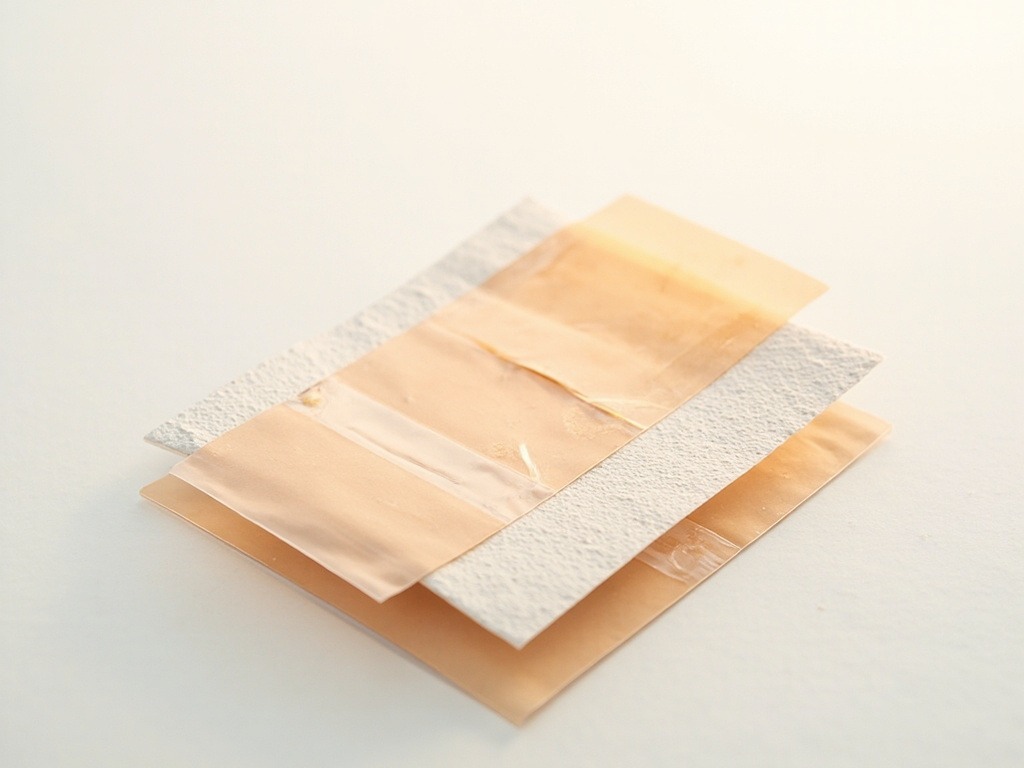
Best for: adults comparing pain-patch options, first-time patch users, caregivers helping with placement, curious buyers learning how medicine crosses skin
Place a pain patch only on intact, clean, dry skin at a site allowed by that product's label. For pain felt in the buttock or leg, the label may permit placement near the painful area, but a patch should not be placed directly over the spine, on broken or irritated skin, inside the buttock crease, or wherever clothing will repeatedly rub it loose. Some prescription transdermal patches are designed for systemic delivery and do not need to sit over the painful nerve pathway at all. The product instructions decide the location. A patch placed over the calf cannot physically “follow” the sciatic nerve to its source, and placement alone does not establish whether the pain is sciatica.
The practical placement rule
Sciatic-type pain may be felt in the lower back, one buttock, the back or side of a thigh, the calf, or the foot. That broad pattern makes the search query deceptively difficult: the most painful spot is not automatically the safest or most useful patch site.
Start with the label's permitted body areas. Within those boundaries, choose flat skin that stays fairly still during walking and sitting. The upper outer buttock or back of the upper thigh may seem logical for localized discomfort, but only use either area if the instructions allow it. Avoid the gluteal fold because moisture, pressure, and repeated bending can weaken adhesion. The centerline over the lumbar vertebrae is also a poor default unless the manufacturer explicitly names it.
Use a simple three-part decision rule: label, skin, movement. First, does the label permit that body area? Second, is the skin intact, dry, and free from rash? Third, will the patch remain flat rather than crease under a waistband or chair pressure? If any answer is no, choose another permitted site or ask a pharmacist.
Do not cut a patch to make it fit a narrow area unless its instructions expressly permit cutting. A cut may expose the adhesive matrix or damage a reservoir-style system, changing adhesion and possibly changing drug release. Do not place a heating pad, hot-water bottle, electric blanket, or heat wrap over it. Heat can increase skin blood flow and may alter drug release or absorption; even a “40°C” heat source is not a harmless addition unless the label says otherwise.
What the skin does after application
A patch does more than hold medicine against the body. It creates prolonged contact between a formulation and the skin, allowing suitable molecules to move from an area of higher concentration in the patch toward a lower concentration in the skin. This movement is called permeation.
The first major barrier is the stratum corneum, the outer part of the epidermis. It consists largely of flattened, keratin-rich cells surrounded by lipids. A familiar description compares it with bricks in mortar: cells are the bricks and lipid layers form the mortar. The analogy is imperfect, but it explains why the skin blocks most substances so effectively.
After crossing the stratum corneum, molecules pass through the living epidermis. There are no large open channels waiting to carry medicine inward. A drug must have a suitable combination of molecular size, solubility, charge, formulation, and concentration to move through these layers at a useful rate. Water-loving compounds may struggle with lipid-rich regions, while extremely oil-soluble compounds may enter the outer skin and then move onward too slowly.
Below the epidermis lies the dermis, which contains connective tissue, sensory structures, and small blood vessels. A product intended for systemic transdermal delivery relies on absorbed drug reaching dermal circulation and then entering the bloodstream. Its placement may therefore be selected for reliable absorption and wear rather than closeness to the painful spot.
A local patch follows a different goal. It may be designed to keep more of an active ingredient in or near superficial tissue beneath the application site, though some fraction can still enter circulation. That distinction matters: “applied to the skin” does not always mean “systemic,” and “transdermal” should not be treated as a synonym for every medicated adhesive patch.
Why a stronger number may not mean stronger relief
The concentration printed on a package tells only part of the story. A patch containing more drug does not necessarily deliver more drug through skin, and it does not prove a larger effect. The release system, contact area, wear duration, adhesive condition, skin barrier, and active ingredient all affect actual delivery.
Consider two imaginary products that each contain the same total mass of an ingredient. One releases it slowly from a polymer matrix over a large surface. The other keeps most of the ingredient trapped in an adhesive that does not support efficient permeation. Their package totals can match while the amount crossing the epidermis differs substantially. This example explains the principle; it is not a comparison of real products.
Surface area matters too. Folding an edge, covering only half the adhesive, or cutting the product can alter the contact area. Applying two patches where the directions specify one is not a reliable way to double benefit. It may increase exposure, skin irritation, or both.
Skin condition adds another variable. Scraped, inflamed, recently shaved, or heat-damaged skin may have a weaker barrier than intact skin. Moisture can also interfere with adhesion. This is why “put it exactly where it hurts” is an incomplete instruction: a sore location may be unsuitable skin, mechanically awkward, or outside the approved placement directions.
Patch, cream, or tablet: how the routes differ
| Form | Where the dose begins | What controls exposure | Practical fit for a buyer |
|---|---|---|---|
| Local medicated patch | In prolonged contact with one skin area | Patch design, active ingredient, area, adhesion, skin condition, and stated wear time | Useful when hands-free application and limited rubbing are priorities; can irritate skin or loosen with sweat and movement |
| Systemic transdermal patch | On a label-approved skin site, not necessarily over symptoms | Engineered release plus permeation through the epidermis into dermal circulation | Offers sustained delivery for medicines specifically formulated for this route; location and replacement schedule must follow the label |
| Cream or gel | Spread over the selected skin area | Amount applied, rubbed area, formulation, hand washing, clothing contact, and reapplication instructions | Easier to cover an irregular area; can transfer to hands, fabric, or another person's skin before it dries |
| Oral medicine | Swallowed and absorbed through the digestive tract | Dose, digestion, metabolism, other medicines, and health conditions | No adhesion problem and no placement question; systemic side effects and interactions still require attention |
A patch is not automatically gentler than a tablet. Local skin delivery may reduce some forms of systemic exposure, but the result depends on the actual drug and design. Some patches deliberately produce whole-body exposure. Some topical ingredients also carry meaningful interaction, allergy, or overdose risks.
Comfort can decide whether the format works in daily life. A patch under a tight waistband may peel or wrinkle. A cream may be inconvenient before dressing. An oral product avoids those problems but may be unsuitable for someone with a relevant medical condition or drug interaction. Compare the named active ingredient and directions, not just the format.
A buyer's label check before choosing a site
The front panel often emphasizes the ingredient or duration, while the usable placement rules appear in smaller directions. Read those directions before opening the pouch. The following check is more useful than selecting a patch by the largest concentration number:
- Confirm whether the product describes local topical action or systemic transdermal delivery.
- Find the exact body areas allowed, the maximum number of patches, and the stated wear time.
- Check whether the directions prohibit cutting, external heat, bandages, bathing, exercise, or use on recently shaved skin.
- Compare the active ingredient with allergies, pregnancy or breastfeeding considerations, health conditions, and medicines already taken; ask a pharmacist when any interaction is unclear.
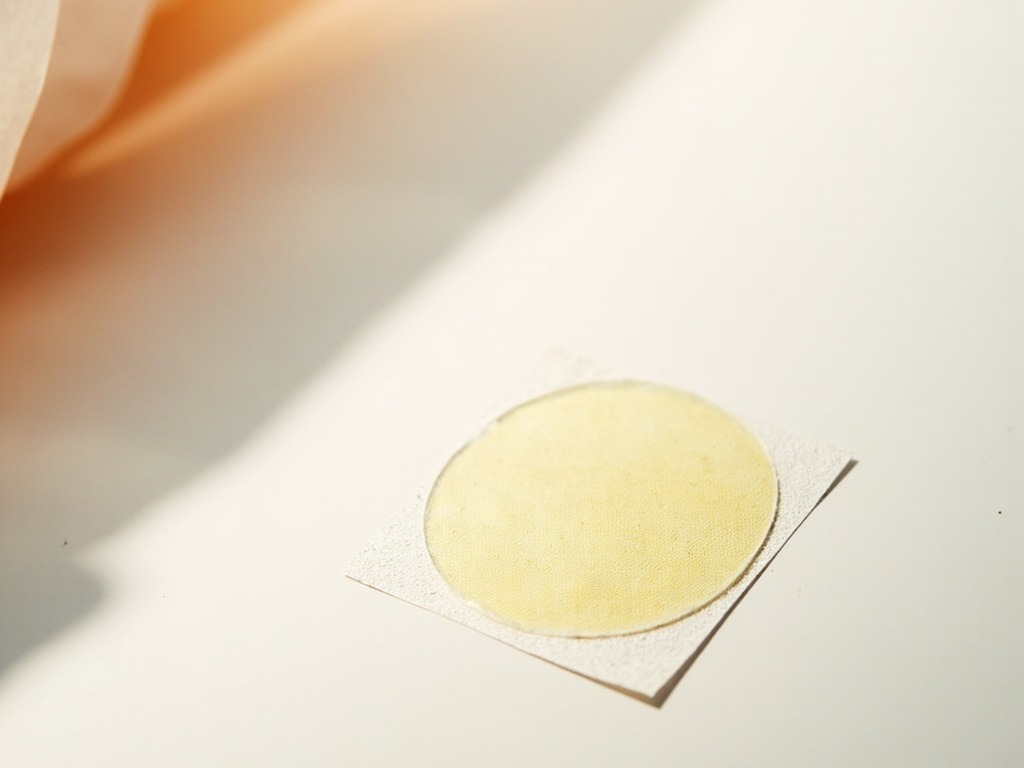
- Inspect the pouch and patch. Do not use one that is damaged, dried out, leaking, opened earlier, or past its marked expiry date.
- Plan disposal before application. Used medicated patches can retain active ingredient and should be folded adhesive sides together, kept from children and pets, and discarded exactly as the label directs.
One boundary condition deserves extra attention: changing the pain location does not authorize changing the patch location. If a systemic patch says to use the torso or upper arm, moving it to the calf because the calf hurts can reduce adhesion or create untested absorption conditions. If a local patch permits use only on a limited area, placing it over a larger trail from buttock to ankle is also outside the instructions.
Rotation can reduce repeated stress on one patch of skin. Use a different permitted site at the next application if the label directs rotation, and do not put a fresh patch over residual redness. Wash hands after handling unless the instructions say otherwise. Avoid lotions, oils, or powders beneath the adhesive because they can impair contact.
What placement cannot tell you
A pain patch cannot diagnose the cause of leg pain. Irritated nerve roots are one possible explanation, but muscle injury, joint problems, peripheral nerve disorders, circulation problems, and other conditions can produce overlapping symptoms. A patch may change how discomfort feels without addressing the source.
Location also has limits as a guide. Pain that begins in the buttock and travels below the knee may sound compatible with sciatic nerve involvement, yet symptom maps are not precise enough for self-diagnosis. Numbness, weakness, and altered reflexes require a different assessment from a simple question about adhesive placement.
Track function rather than judging the patch only by a momentary sensation. Note whether walking, sitting, and sleep change during the label-directed wear period. Stop if the skin develops marked burning, blistering, swelling, or a spreading rash. Mild warmth from some ingredients can occur, but severe discomfort is not evidence that the product is “working harder.”
Limits and safety signals
Risk box
Use only one label-directed dose; extra patches can increase exposure.
Keep patches away from cuts, rashes, eyes, mouth, children, and pets.
Never add external heat unless the product directions explicitly allow it.
Seek urgent care for new bladder or bowel problems, numbness around the groin or saddle area, rapidly worsening leg weakness, or severe symptoms after major injury.
Ask a clinician or pharmacist about persistent pain, pregnancy, breastfeeding, allergies, anticoagulants, or overlapping pain medicines.
Remove the patch before procedures involving strong external heat or medical imaging if the product or facility instructions require it. Some backing layers may contain metal, while others do not; do not guess from appearance. Tell medical staff exactly what you are wearing.
If part of the adhesive remains on the skin, follow the product's removal instructions rather than scrubbing with solvent. Do not reapply a detached patch with household tape unless the label permits a specific overlay. A loose patch gives uncertain contact, and improvised covering may trap heat or irritate skin.
The short answer to remember
For a local pain patch, choose intact skin near the painful area only when that location appears in the product directions and the patch can lie flat. For a systemic transdermal patch, use the designated site even if it is far from the leg or buttock pain. The stratum corneum controls entry, the epidermis and dermis shape further permeation, and product engineering determines whether the medicine is intended to remain local or reach circulation.
That rule is safer than chasing the pain with repeated patches. Placement influences contact and absorption, but it does not prove the cause of symptoms or guarantee relief. The active ingredient, delivery design, permitted area, wear time, and the user's skin and health history all matter.
Readers comparing how medicated patches are designed or produced can view Hanmeng's restrained overview of pharmaceutical patch OEM information. Manufacturing information does not replace the directions supplied with a specific product or advice from a qualified health professional.


CATEGORIES
LATEST NEWS
- Sinew-Bone Pain-Bi Patch Private Label Manufacturer Supply Agreements
- What Hand Mask Custom Packaging Supplier Quotes Overlook
- Kids Herbal Foot Patch Contract Manufacturer: Safety Specifications First
- Mugwort Steam Eye Mask Private Label Manufacturer Readiness Check
- Mugwort Essential Oil Custom Formula Supplier: Formulation Approval Milestones
CONTACT US
QQ: 396269538
Phone: 17796669065
Tel: 17796669065
Email: 396269538
Add: Room 001, 1st Floor, Building 1, Zhengzhou Hangmei International Smart City, Intersection of S102 and Nanquan Road, Xuedian Town, Xinzheng City, Zhengzhou, Henan Province, China