Industry news
Sustainable Patch Manufacturing Market: USD 380M Growing 14.2% Annually
Industry news 2026-07-13 11:11:17 133 views admin
Sustainable Patch Manufacturing Market: USD 380M Growing 14.2% Annually
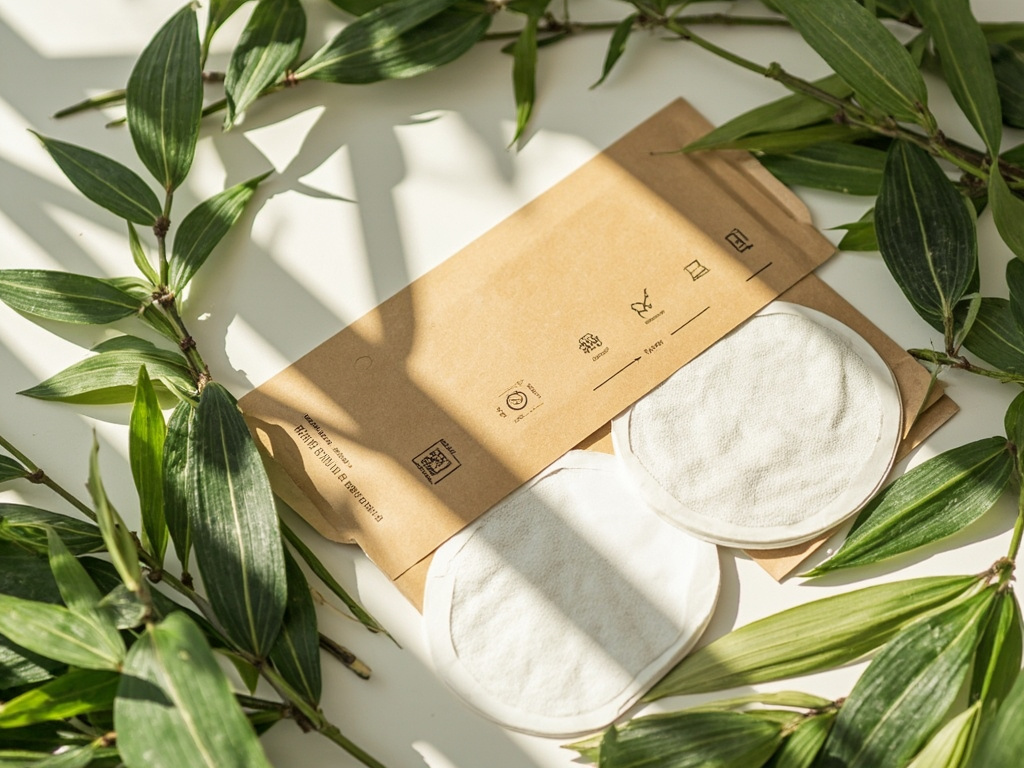
The sustainable patch manufacturing market reached USD 380 million in 2024 and is growing at 14.2% annually - the fastest segment within the broader transdermal patch industry. EU regulations (REACH, Single-Use Plastics Directive) and US state-level laws (California SB 54, New York EPR) are pushing manufacturers and brands toward compostable, recyclable, and bio-based materials.
Why Sustainability is Now a Market Requirement
Consumer demand drives the shift: a 2024 NielsenIQ study found 68% of patch buyers under 40 consider environmental impact when choosing a brand, and 42% are willing to pay 10-20% more for sustainable packaging. Retailers are following: Walmart, Target, and CVS have all announced 2027-2030 targets requiring compostable or recyclable primary packaging from suppliers.
Five Materials Leading the Transition
1. PLA (Polylactic Acid) Backing Film Derived from corn starch or sugarcane, PLA is industrially compostable within 90 days. Cost is 2-3x higher than PET film but falling as production scales. Suitable for non-sterile wellness patches.
2. Bamboo Fiber Non-Woven Replaces polyester non-woven fabric. Naturally antibacterial and biodegradable. Currently 30-40% more expensive but offers premium positioning for herbal and wellness patches.
3. Paper-Based Release Liners Replaces silicone-coated PET release liners. New water-based coating technologies make paper liners functional for most patch applications. Reduces waste by 8-12 grams per patch.
4. Plant-Based Adhesives Acrylic adhesive replacements using pine resin or soybean oil derivatives. Performance is approaching synthetic adhesive levels. Currently 20% higher cost, expected to reach parity by 2027.
5. Bio-Based Herbal Extracts Mugwort, ginger, and turmeric grown under certified organic or regenerative agriculture programs. Adds USD 0.05-0.10 per patch in ingredient cost but enables "natural" and "sustainable" marketing claims.
Realistic Cost Impact
Switching all five material categories simultaneously adds approximately USD 0.08-0.15 per patch at 50,000-piece MOQ. For a brand selling at USD 3.50 retail with 75% gross margin, this is a 3-5% margin reduction. Brands typically absorb this cost as a strategic investment in market positioning and regulatory compliance.
What Brands and Manufacturers Should Do
For brand owners: start with bamboo or paper-based packaging (lowest cost, highest consumer visibility), then move to bio-adhesives and PLA backing as suppliers scale. Communicate the sustainability story clearly on packaging - "compostable patch in 90 days" resonates more than vague "eco-friendly" claims.
For manufacturers: invest in PLA film extrusion and water-based release liner coating equipment now. Capacity for sustainable materials will be a competitive differentiator by 2027 as retailer mandates take effect.
Frequently Asked Questions
Q: Are compostable patches as effective as traditional ones?
For pain relief and herbal heat patches, yes. The active ingredients work identically. The only difference is the backing material breakdown time. For pharmaceutical-grade patches requiring strict barrier properties, sustainable materials are not yet a complete substitute.
Q: What does "compostable" actually mean?
Industrial composting requires specific conditions (58°C, controlled humidity, microbial activity). Home composting is harder and takes longer. Look for TUV OK Compost or BPI certification rather than marketing claims like "eco-friendly" or "biodegradable."
Q: How much extra do sustainable patches cost?
For full material transition: USD 0.08-0.15 per piece at 50,000 MOQ. For partial transition (bamboo + paper liner only): USD 0.04-0.07 per piece. Costs will decrease as material production scales.
Q: Do sustainable patches have shorter shelf life?
PLA backing has slightly higher moisture permeability than PET. Shelf life reduces from 36 months to 24-30 months depending on storage conditions. Manufacturers using PLA must adjust packaging moisture barriers accordingly.
Henan Hanmeng Bio-Tech offers sustainable material options including bamboo fiber backing, paper release liners, and plant-based adhesives. The company is investing in PLA extrusion capacity for 2025 to support brand owners targeting EU and US markets with sustainability requirements.
Keywords: sustainable patch manufacturing, compostable transdermal patch, eco-friendly pain patches, PLA backing film
Looking for a Custom Patch Manufacturer?
Henan Hanmeng Bio-Tech produces private-label pain relief patches, herbal heat patches, cooling patches, nasal strips, and hydrocolloid patches on certified production lines. FDA, EU CE, and ISO 13485 documentation included. Samples shipped in 7 days; bulk MOQ negotiable.
View Our OEM Catalog Request a Quote
Henan Hanmeng Bio-Tech · Henan, China · +86 17796669065 · 396269538@qq.com
CATEGORIES
LATEST NEWS
- Sinew-Bone Pain-Bi Patch Private Label Manufacturer Supply Agreements
- What Hand Mask Custom Packaging Supplier Quotes Overlook
- Kids Herbal Foot Patch Contract Manufacturer: Safety Specifications First
- Mugwort Steam Eye Mask Private Label Manufacturer Readiness Check
- Mugwort Essential Oil Custom Formula Supplier: Formulation Approval Milestones
CONTACT US
QQ: 396269538
Phone: 17796669065
Tel: 17796669065
Email: 396269538
Add: Room 001, 1st Floor, Building 1, Zhengzhou Hangmei International Smart City, Intersection of S102 and Nanquan Road, Xuedian Town, Xinzheng City, Zhengzhou, Henan Province, China