Industry news
Back Pain Patches Maximum Strength: A Practical Guide to Ingredients, Placement, Safety, and OEM Sourcing
Industry news 2026-07-18 10:33:25 34 views admin
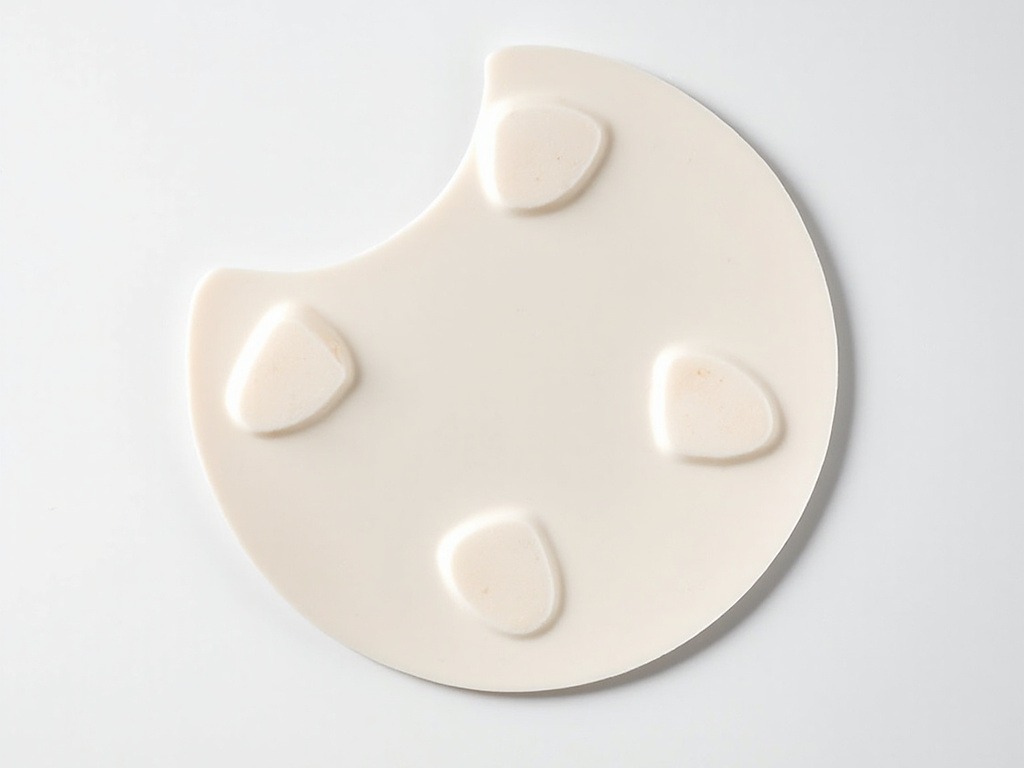
Best for: adults comparing over-the-counter back pain patches, clinicians and pharmacy teams reviewing topical analgesic options, parents or caregivers helping an adult use a patch safely, and B2B buyers sourcing private-label pain patches.
Back pain patches maximum strength products usually combine a high labeled concentration of an over-the-counter topical analgesic with an adhesive delivery system designed for several hours of localized use. “Maximum strength” is a marketing and labeling term, not proof that a patch is stronger than every competing product or suitable for every cause of back pain.
The useful question is not simply which package says “maximum strength.” Buyers and users should compare the active ingredient, labeled concentration, intended wear time, patch size, adhesion, warnings, and regulatory status. A lidocaine patch works differently from a menthol, capsaicin, or methyl salicylate patch. None of them should be treated as a cure for spinal disease, fracture, infection, kidney pain, or progressive nerve compression.
What does “maximum strength” mean on a back pain patch?
For nonprescription products, maximum strength generally means the product uses the highest concentration that its manufacturer markets within a particular formulation or product family. It does not create a universal ranking across all active ingredients. Four percent lidocaine, for example, cannot be compared numerically with 10 percent menthol because the two ingredients act through different pathways and are governed by different labeling conditions.
In the United States, topical analgesic drug products are subject to FDA requirements and applicable monograph conditions. The FDA’s OTC Monographs@FDA portal and the Federal Register record for external analgesic products are better references than front-of-pack claims alone. Users should read the Drug Facts panel for active ingredients, purpose, directions, age limits, contraindications, and warnings.
- Lidocaine temporarily reduces local nerve signaling by blocking voltage-gated sodium channels.
- Menthol produces a cooling sensation through temperature-sensitive receptors, including TRPM8.
- Capsaicin activates TRPV1 receptors and may reduce pain signaling after repeated exposure, though initial burning is common.
- Methyl salicylate and related counterirritants create warming or cooling sensations that can temporarily alter pain perception.
A systematic review in the BMJ found that some topical NSAIDs can help musculoskeletal pain, but those products have their own indications and safety profiles. A Cochrane review of topical analgesics likewise found that benefit depends heavily on the specific medicine and condition. Evidence for one topical drug should not be transferred to an unrelated “pain patch” simply because both products are applied to the skin.
Which ingredient is appropriate for back pain?
| Active type | What the user may feel | Practical consideration |
|---|---|---|
| Lidocaine | Localized numbing or reduced surface sensitivity | Follow labeled wear time and patch-count limits; avoid broken or inflamed skin. |
| Menthol | Cooling followed by a counterirritant sensation | May irritate sensitive skin; do not combine with external heat unless the label permits it. |
| Capsaicin | Warmth, tingling, or burning | Avoid contact with eyes and mucous membranes; wash hands as directed after handling. |
| Methyl salicylate combinations | Warming or cooling counterirritation | Extra caution is warranted with salicylate allergy, anticoagulant use, or use over large areas. |
| Topical NSAID | Little immediate sensation; intended anti-inflammatory action | Indications and availability vary by country; follow medicine-specific warnings. |
The 2018 Lancet series on low back pain warned against routine overuse of low-value treatments and emphasized that most persistent low back pain requires a broader assessment than a single product can provide. Exercise, appropriate activity, sleep, work ergonomics, and clinical evaluation may matter more than switching between stronger-sounding patch labels.
How to place a patch on the back
Apply a patch only to intact, clean, dry skin over the painful muscular area specified by the label. Do not place it directly over a wound, rash, recent injection site, or skin infection. Hair may be clipped if the directions permit it, but shaving immediately before application can leave microscopic irritation and increase discomfort.
| Body area | Apply | Avoid |
|---|---|---|
| Lower back | Flat muscular area beside the spine where skin is intact | Open lesions, severe rash, or a tightly folded waistline |
| Upper back | Broad area between the shoulder blade and spine | Bony edge of the shoulder blade if movement lifts the patch |
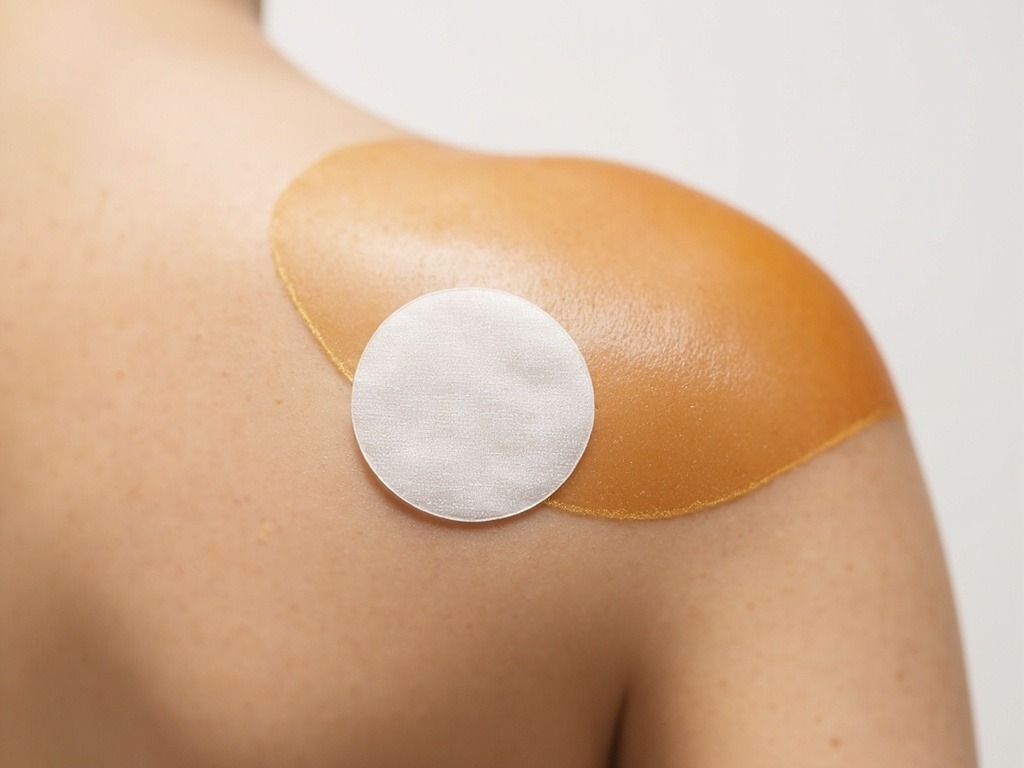
| Shoulder | Posterior shoulder muscle if allowed by the label | Armpit, front of neck, or highly mobile joint crease |
| Side of torso | Flat lateral muscle area away from clothing seams | Breast tissue, broken skin, and unexplained abdominal pain |
| Hip or upper buttock | Fleshy upper outer area when the product is labeled for that location | Groin, perianal skin, or areas compressed while sitting |
| Neck | Posterior muscular area only if the patch size and label allow it | Front or side of the throat, hairline, and carotid area |
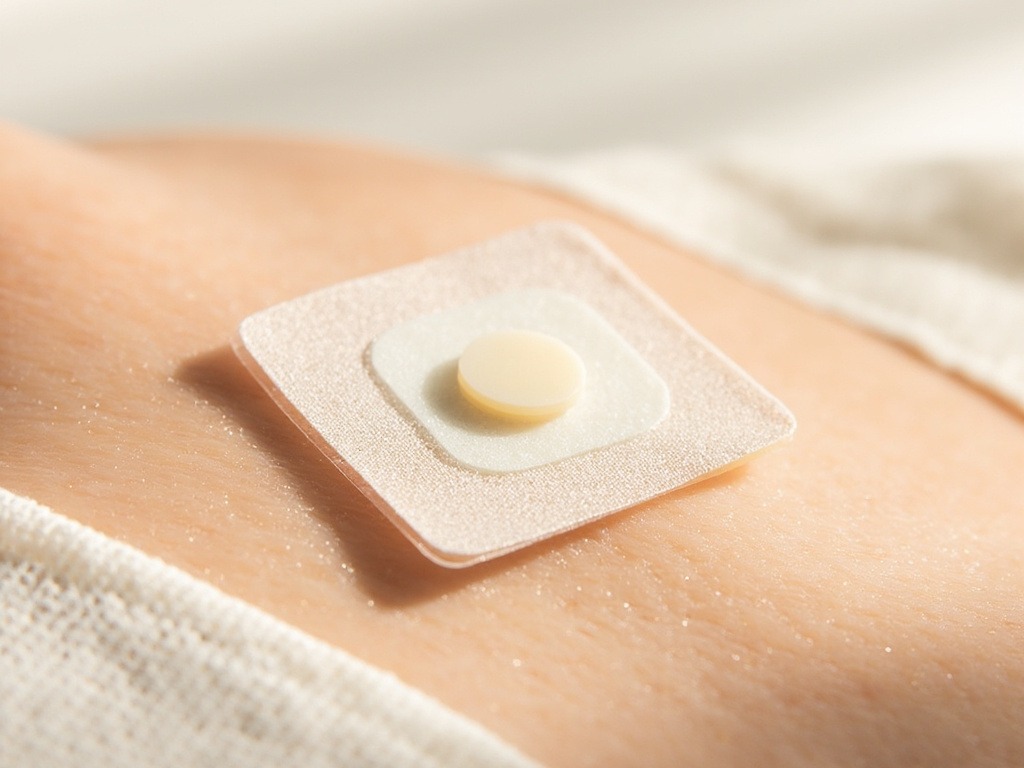
Press the edges firmly and check them after bending or sitting. Remove the patch if marked burning, blistering, swelling, or spreading redness develops. Folding or cutting can alter dose distribution or expose adhesive layers; do it only when the manufacturer expressly allows it.
Heat, damaged skin, and multiple patches increase risk
Heating pads, electric blankets, hot-water bottles, saunas, and intense exercise can raise skin temperature. Heat may increase drug movement through the skin and can worsen burns from counterirritants. The FDA has published safety communications about rare serious burns associated with topical pain relievers containing menthol, methyl salicylate, or capsaicin. A painful application is not evidence that the product is working better.
- Do not apply more patches than the label allows.
- Do not layer two topical pain products on the same site unless a clinician or pharmacist has checked the combination.
- Keep used and unused patches away from children and pets; residual active ingredient may remain after removal.
- Ask a clinician before use during pregnancy, while breastfeeding, or when taking anticoagulants or other medicines that may interact with the active ingredient.
Seek urgent medical care for back pain after major trauma, new bowel or bladder dysfunction, saddle numbness, progressive leg weakness, fever with severe back pain, unexplained weight loss, or pain accompanied by chest symptoms. A topical patch can mask discomfort while the underlying problem continues.
B2B specifications for maximum-strength back pain patches
For distributors and private-label buyers, the formula claim is only one part of product qualification. Adhesive performance, package integrity, stability, skin compatibility, and traceable manufacturing controls determine whether the finished patch remains usable through its stated shelf life.
| Parameter | Specification to define | Buyer notes |
|---|---|---|
| Active system | Ingredient identity and target labeled concentration | Must match the destination market’s legal product category and permitted claims. |
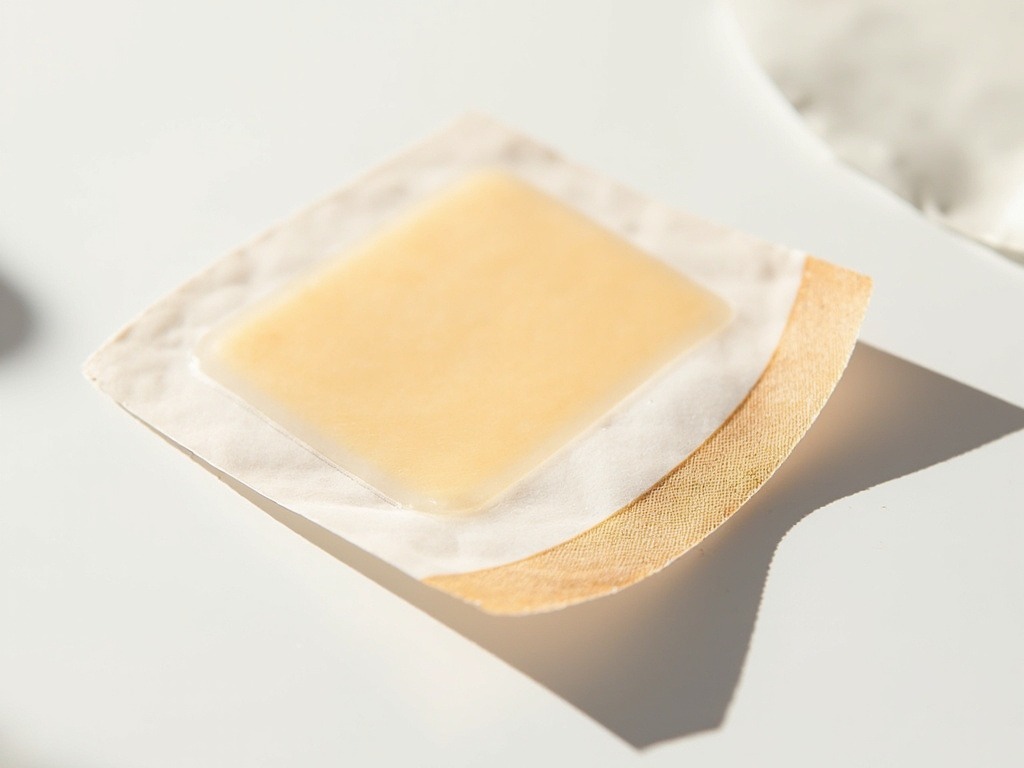
| Patch construction | Backing film, carrier, adhesive matrix, release liner | Request material declarations and supplier traceability. |
| Dimensions | Length, width, corner radius, coat weight, and tolerances | Select a size that fits the lumbar area without excessive wrinkling. |
| Adhesion | Peel, tack, shear, edge-lift, and residue targets | ASTM D3330 provides recognized peel-adhesion test methods for pressure-sensitive tape. |
| Skin-contact evaluation | Irritation and sensitization plan appropriate to product classification | Testing should use the final formula and construction, not only raw materials. |
| Package barrier | Seal strength, leak resistance, moisture and volatile retention | Evaluate the final sachet after transport and accelerated-aging conditions. |
| Stability | Assay, impurities, appearance, adhesion, and package compatibility | Shelf-life claims need supporting data from representative production material. |
| Label controls | Drug Facts or local equivalent, warnings, lot code, expiry, disposal | Artwork review should include regulatory and barcode checks before printing. |
ASTM D3330 is useful for comparative peel testing, but no single bench test guarantees comfortable wear on human skin. A qualification plan should also examine movement, perspiration, removal pain, residue, and adhesion after storage. For products regulated as drugs, FDA current good manufacturing practice requirements and the relevant OTC monograph framework should guide release controls and labeling.
A three-step sourcing funnel: sample to pilot to bulk
- Sample: Define the intended market, active system, patch dimensions, wear-time target, backing material, packaging format, and required label language. Review physical samples for odor, flexibility, initial tack, edge lift, residue, and removal comfort. A sample demonstrates direction; it does not validate mass production.
- Pilot: Produce a controlled pilot lot using proposed commercial materials and equipment. Check assay or ingredient loading where applicable, patch weight, dimensions, adhesion, seal integrity, microbiological limits when relevant, and artwork accuracy. Retain samples for stability and complaint investigation.
- Bulk: Approve the specification, test methods, master artwork, release criteria, change-control process, and shipment plan before commercial production. Each lot should have traceable raw materials, in-process records, finished-product results, and documented disposition.
B2B purchasers should ask who owns the formula, which changes require written approval, how out-of-specification results are handled, and whether the quoted product is a cosmetic, medical device, traditional remedy, or OTC drug in the destination country. These categories are not interchangeable.
Common questions about back pain patches maximum strength
Can a maximum-strength patch be worn overnight?
Only if the product label allows that duration. Wear limits differ by ingredient and formulation. Extending the time may increase irritation or systemic exposure without improving pain relief. Remove the patch on schedule even when it still adheres well.
Can I use a heating pad over the patch?
Usually no. External heat can increase skin exposure and raises the risk of burns, especially with menthol, methyl salicylate, or capsaicin products. Follow the exact warning on the Drug Facts panel or local equivalent.
Do these patches treat sciatica?
A topical patch may temporarily reduce superficial discomfort, but it does not remove a herniated disc, reverse spinal stenosis, or decompress a nerve root. Persistent radiating pain, weakness, numbness, or changes in bladder or bowel function require clinical assessment.
Is a stronger sensation a sign of better pain relief?
No. Intense cooling, heat, or burning reflects sensory receptor activation and possible irritation. It does not reliably measure treatment benefit. Remove the product and seek advice if the reaction is severe or continues after removal.
Can one large patch replace several smaller patches?
Not automatically. Total active load, adhesive area, flexibility, and labeled dosing all matter. A large lumbar patch may fit the back better, but only the manufacturer’s directions establish how many patches may be used at once.
Evidence and standards referenced
- U.S. FDA, OTC Monographs@FDA
- U.S. FDA, External Analgesic Drug Products for Over-the-Counter Human Use, Federal Register
- U.S. FDA Drug Safety Communication on rare serious burns from topical pain relievers
- The Lancet, Prevention and treatment of low back pain: evidence, challenges, and promising directions
- BMJ, Efficacy and safety of topical NSAIDs in osteoarthritis
- Cochrane Database of Systematic Reviews, Topical analgesics for acute and chronic pain in adults
- ASTM D3330/D3330M, Standard Test Method for Peel Adhesion of Pressure-Sensitive Tape
Develop a private-label back pain patch
Henan Hanmeng Bio-Tech supports specification review, sampling, pilot production, packaging development, and bulk manufacturing for market-appropriate pain patch programs. Claims, ingredients, testing, and labels must be aligned with the destination market before commercial release.

CATEGORIES
LATEST NEWS
- shoulder pain relief patch: How It Works, What to Check, and How to Source It
- pimple patches: choosing between hydrocolloid, microneedle, and salicylic formats
- electrode patches for tens unit
- custom pain patch private label
- Children's Silicone Hydrogel Patches: Safety Standards and Material Selection Guide for Parents
CONTACT US
QQ: 396269538
Phone: 17796669065
Tel: 17796669065
Email: 396269538
Add: Room 001, 1st Floor, Building 1, Zhengzhou Hangmei International Smart City, Intersection of S102 and Nanquan Road, Xuedian Town, Xinzheng City, Zhengzhou, Henan Province, China