Industry news
capsaicin patch for neuropathy: Mechanism, Formulation, and Sourcing Considerations
Industry news 2026-07-22 13:01:24 20 views admin
capsaicin patch for neuropathy: Mechanism, Formulation, and Sourcing Considerations
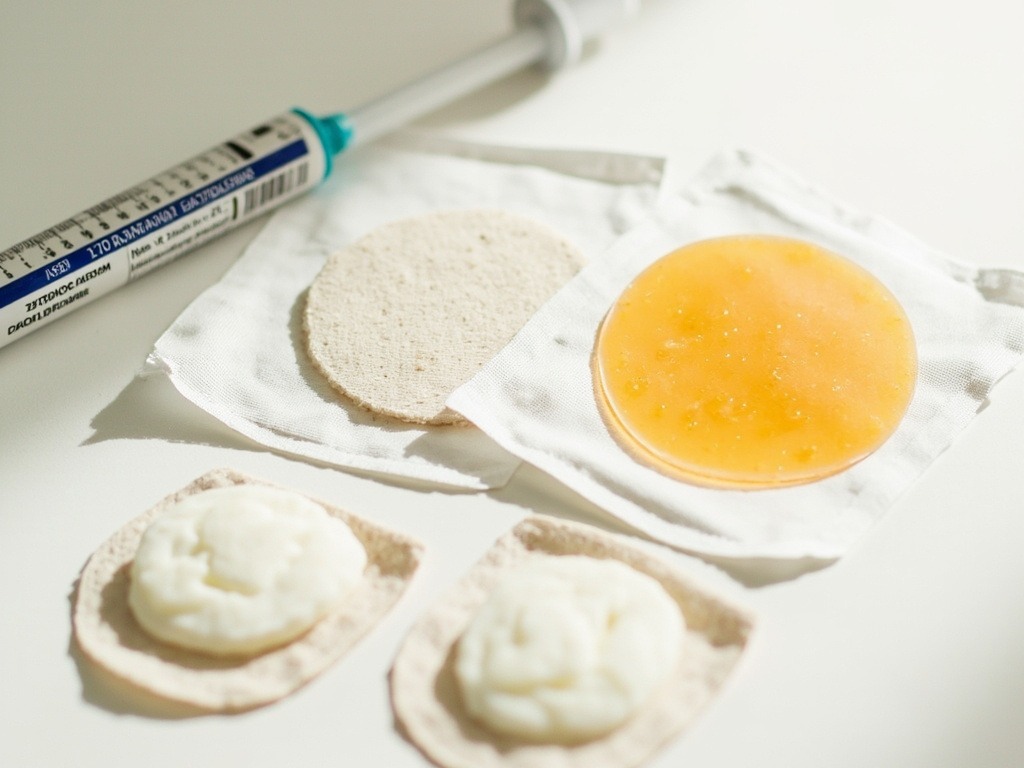
Best for: pharmaceutical brand managers, medical-device and topical-product buyers, private-label sourcing teams, regulatory and quality professionals
A capsaicin patch for neuropathy is designed to deliver capsaicin through the skin to a localized area of discomfort. Capsaicin interacts with sensory nerve endings, initially increasing sensory signaling and then reducing the availability or responsiveness of certain pain-related pathways. For professional buyers, the key questions are not only the active level, but also dose uniformity, release behavior, adhesion, skin compatibility, packaging, and the evidence supporting the finished product.
What capsaicin is intended to do
Capsaicin is the pungent component associated with chili peppers. In a topical patch, it is used as a local active rather than as a general systemic ingredient. Its action is commonly explained through interaction with TRPV1, a receptor found on some sensory nerve fibers. Early exposure may produce warmth, burning, or increased sensory activity. With sufficient local exposure, sensory signaling can become less responsive for a period of time.
This mechanism should not be converted into a guarantee that every neuropathy product will provide relief. Neuropathy has different causes, affected body sites, and severity patterns. A patch may also differ substantially from another patch because the active concentration, contact time, adhesive, matrix, and application area are not the same.
Known facts versus supplier-dependent values
A sourcing discussion should separate established formulation principles from values that must be confirmed in the supplier’s technical file. The following distinction helps prevent a generic target from being mistaken for a validated finished-product specification.
| Topic | What can be stated cautiously | What must be confirmed for the specific product |
|---|---|---|
| Active mechanism | Capsaicin can interact with sensory nerve pathways associated with heat and pain signaling. | Release profile, local delivered dose, and performance of the finished patch. |
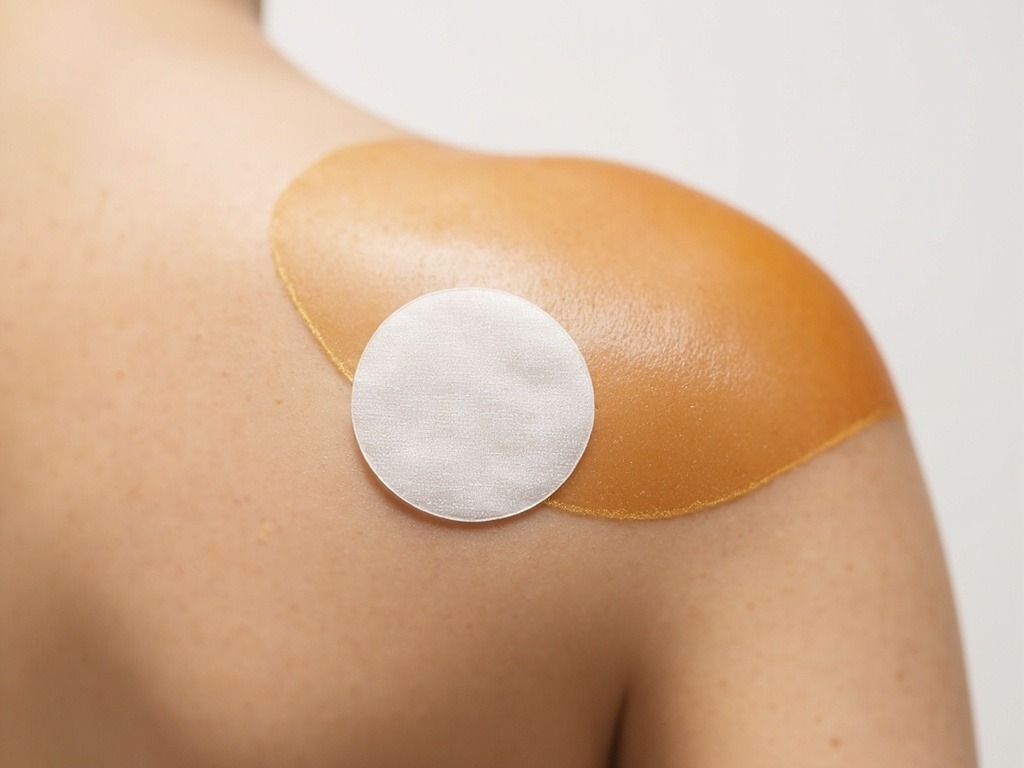
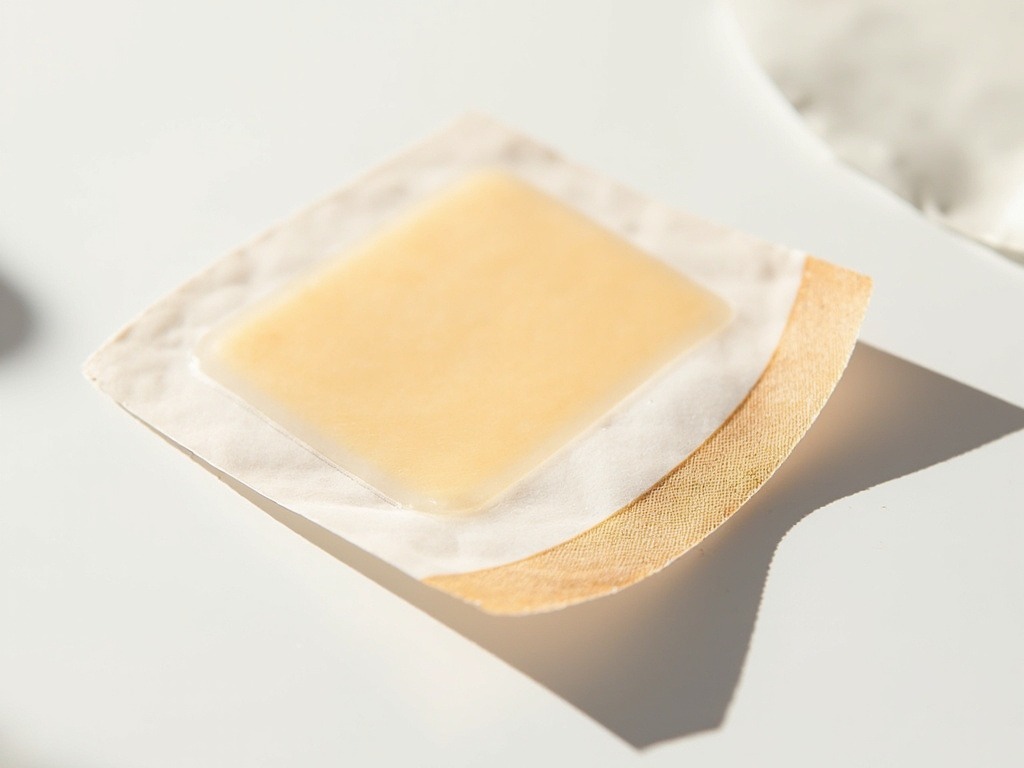
| Patch construction | A topical patch generally combines a backing layer, an active-containing layer, and an adhesive or skin-contact interface. | Material identity, layer weights, adhesive chemistry, and manufacturing tolerances. |
| Active level | Capsaicin loading is formulation-dependent and should be selected for the intended product category and use instructions. | Exact concentration, assay range, uniformity limits, and validated analytical method. |
| Wear period | Contact time depends on the product design and its labeling. | Labeled wear time, residual active after use, adhesion performance, and supporting test data. |
| Skin response | Warmth, stinging, redness, or irritation are possible with capsaicin exposure. | Finished-product skin compatibility results, warning language, and complaint-handling process. |
Terms such as “high strength,” “long-lasting,” or “medical-grade” should not be accepted as technical evidence on their own. Ask the supplier to define each term with a document, test method, acceptance criterion, or approved label statement.
Why the patch platform matters
Capsaicin does not act independently of the delivery system. The same nominal active level can behave differently in different matrices. A buyer should therefore evaluate the patch as a complete product rather than selecting an active concentration first and treating the carrier as secondary.
- Backing layer: controls protection, flexibility, moisture handling, and resistance to handling damage.
- Drug-containing layer: influences active distribution, migration, and release at the skin interface.
- Adhesive: affects contact consistency, edge lift, residue, and removal comfort.
- Release liner: protects the contact surface before use and should be easy to remove without damaging the patch.
- Packaging: helps limit exposure to heat, moisture, oxygen, or light when those factors may affect product stability.
For neuropathy-oriented products, geometry is also important. A small patch for a localized area should not be evaluated by the same criteria as a larger patch intended to cover a broad region. The application area, active-per-area loading, and contact consistency need to be considered together.
A practical specification boundary
Before requesting quotations, define which requirements are fixed and which are open for development. This prevents suppliers from quoting different products under the same product name.
Buyer-fixed requirements
- Intended market and language of labeling
- Target application area and patch dimensions
- Single-use or resealable packaging concept
- Required label warnings and claims policy
- Preferred backing, adhesive, and liner characteristics
- Expected production volume and sampling stages
Supplier-proposed parameters
- Capsaicin loading and formulation approach
- Patch construction and coating method
- Suggested release or adhesion tests
- Packaging configuration and storage recommendation
- Available customization options and production constraints
A supplier proposal becomes a usable specification only after the parties agree on the test method, sample version, acceptance limits, and change-control process. A concentration range shown in an early quotation is a development target, not proof of a validated commercial product.
Decision rule for comparing supplier samples
Use this boundary condition: do not select a capsaicin patch solely because it has the highest stated active level. First reject any sample that lacks a clear active assay method, batch uniformity information, basic adhesion data, or traceable packaging and labeling controls. Among the remaining samples, compare local exposure, comfort, adhesion, residue, packaging stability, and reproducibility.
This rule is useful because a higher nominal loading may be commercially unsuitable if it causes unacceptable irritation, inconsistent delivery, poor adhesion, or labeling restrictions in the target market. The finished patch must perform as a controlled product, not merely as a stronger-sounding ingredient claim.
Sourcing checklist for professional buyers
- Define the product category. Clarify whether the product is being developed as a topical consumer product, a regulated medicinal product, or another category in the destination market. Check the applicable local requirements before fixing claims or labeling.
- Request an ingredient and material declaration. Ask for the active identity, excipients, backing, adhesive, liner, and any substances intentionally added during processing.
- Request test-method details. Confirm how capsaicin identity, assay, content uniformity, impurities, adhesion, and release are measured.
- Review sample traceability. Each sample should be linked to a formulation version, batch or development code, manufacturing date, and packaging condition.
- Check stability planning. Ask which storage conditions and time points will be evaluated for the intended pack format. Do not assume a shelf-life claim without product-specific support.
- Examine the label boundary. Avoid unsupported statements such as “cures neuropathy,” “works for all nerve pain,” or guaranteed duration. Claims should match the product category and available evidence.
- Test use conditions. Evaluate application, removal, edge adhesion, residue, odor, warmth, and skin response using a documented protocol appropriate for the intended user group.
- Control post-approval changes. Establish how changes to active source, adhesive, coating weight, packaging, facility, or process will be notified and assessed.
Limitations and safety
Capsaicin patches can cause warmth, burning, redness, or irritation. Buyers should require clear instructions for application, removal, hand washing, damaged skin, accidental contact with the eyes or mucous membranes, and stopping use when an unacceptable reaction occurs. The article does not diagnose neuropathy or establish that a particular patch is suitable for any individual. Final claims, warnings, and instructions should be reviewed against the applicable local requirements by the responsible regulatory and medical teams.
Working with an OEM partner
For a professional sourcing project, discuss the active specification, patch architecture, packaging, testing plan, and change control as one development package. Hanmeng can be approached for general OEM and pharmaceutical patch manufacturing discussions, with product-specific capabilities and specifications confirmed during technical review.


CATEGORIES
LATEST NEWS
- shoulder pain relief patch: How It Works, What to Check, and How to Source It
- pimple patches: choosing between hydrocolloid, microneedle, and salicylic formats
- electrode patches for tens unit
- custom pain patch private label
- Children's Silicone Hydrogel Patches: Safety Standards and Material Selection Guide for Parents
CONTACT US
QQ: 396269538
Phone: 17796669065
Tel: 17796669065
Email: 396269538
Add: Room 001, 1st Floor, Building 1, Zhengzhou Hangmei International Smart City, Intersection of S102 and Nanquan Road, Xuedian Town, Xinzheng City, Zhengzhou, Henan Province, China