Technological innovation
Lidocaine 4% vs 5% vs Menthol vs Methyl Salicylate: A Patch Active Ingredient Comparison
Technological innovation 2026-07-15 05:52:00 142 views admin
Lidocaine 4% vs 5% vs Menthol vs Methyl Salicylate: A Patch Active Ingredient Comparison
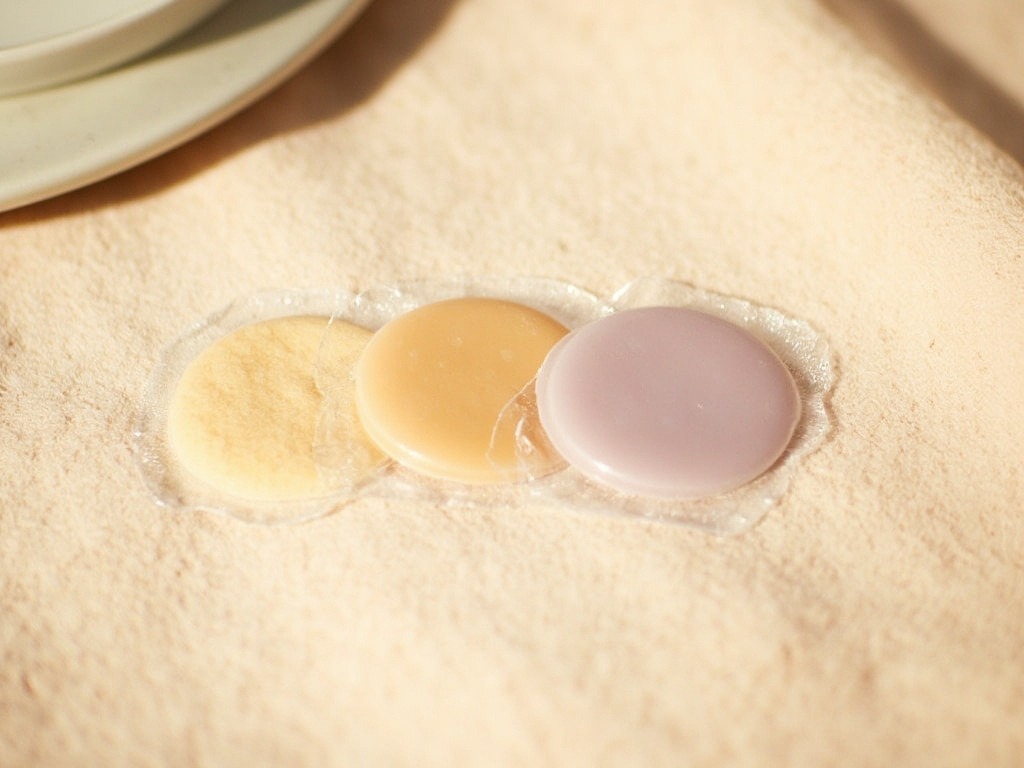
The four most common active ingredients in OTC pain patches — lidocaine, menthol, methyl salicylate, and capsaicin — work through entirely different mechanisms, and the choice between them has more impact on outcome than the choice of brand or patch size.
How the four ingredients compare on the dimensions that matter
| Dimension | Lidocaine | Menthol | Methyl salicylate | Capsaicin |
|---|---|---|---|---|
| Mechanism | Sodium-channel blocker; numbs the local area | TRPM8 receptor agonist; produces cooling sensation that overrides pain signal | Counterirritant / salicylate absorption; produces warming and reduces local inflammation | Depletes substance P from peripheral nerve terminals over hours to days |
| Typical OTC concentration in patches | 4% or 5% | 5-16% (often paired with methyl salicylate) | 10-30% (often paired with menthol) | 0.025% to 0.075% (lower than creams) |
| Onset of action | 15-30 minutes for numbness | 5-15 minutes for cooling sensation | 15-30 minutes for warming and pain easing | 3-7 days for substance-P depletion |
| Duration of action per patch | 8-12 hours | 4-8 hours of cooling | 8-12 hours of warming | Carryover effect after 1-3 weeks of daily use |
| Best for | Sharp, well-localized pain; post-procedure pain; neuropathic pain | Mild muscular soreness; quick relief of everyday ache | Muscular back pain; post-exercise soreness; mild inflammatory pain | Chronic joint or nerve pain; stubborn pain that does not respond to other topical options |
| Notable cautions | Skin irritation; do not combine with other local anesthetics | Cooling sensation can mask injury if applied before activity | Systemic absorption with heat; caution in patients on anticoagulants | Burning sensation for first 1-2 weeks; avoid eyes and mucous membranes |
Three combinations that work particularly well for back pain
Some back pain responds better to a combination patch than to a single-ingredient patch, because back pain usually has a muscular component, an inflammatory component, and sometimes a nerve component.
Menthol + methyl salicylate (the classic OTC combination)
This pairing covers both the cooling override of menthol and the warming counterirritation plus salicylate action of methyl salicylate. It is the default choice in many commercial "pain relieving" patches and works well for general muscular back pain, especially after physical exertion. The two ingredients act through separate mechanisms and complement each other on onset.
Lidocaine + menthol (acute + ongoing)
A patch that contains lidocaine for numbing plus menthol for the fast cooling onset works well when back pain is sharp enough to be distracting but the person still wants to keep moving through the day. Lidocaine blocks the sharp signal while menthol reduces the underlying ache perception.
Capsaicin alone (chronic)
Combination patches containing capsaicin are rare because capsaicin is a slow-onset, long-duration active that does not mix well with fast-acting ingredients on the same patch surface. Capsaicin is best used as a separate daily patch applied on a rotating schedule, building effect over 2-3 weeks.
How to choose based on the pain pattern
- Acute flare, sharp pain after lifting: lidocaine patch for fast numbing; methyl salicylate as backup if swelling is involved.
- Chronic low-grade ache after sitting at a desk all day: menthol-methyl salicylate combination patch.
- Nerve-type pain that runs down the leg (sciatica pattern): lidocaine 5% patch, or a capsaicin protocol started under clinical guidance.
- Arthritis-related stiffness: methyl salicylate and menthol combination, with capsaicin as a longer-term add-on.
- Post-workout muscle soreness: menthol-heavy patch in the first 24-48 hours; methyl salicylate if there is bruising or tissue inflammation.
Limits of patch-based pain relief
Topical ingredients in patches deliver drug locally and to a limited depth, on the order of a few millimeters into the dermis and underlying tissue. Pain that originates deeper (in the joint capsule, in the disc, in the nerve root compressed by a herniated disc) is not reliably reached by a topical patch alone. In those cases the patch is reducing the perceived pain signal at the surface without changing the underlying cause, and clinical care beyond a patch is required.
The fair framing is that pain patches are useful for the day-to-day management of muscular and surface pain, valuable as a complement to systemic or procedural treatment, and not a substitute for clinical care when the underlying cause of the pain is more than a muscle strain.
Looking for a Custom Patch Manufacturer?
Henan Hanmeng Bio-Tech produces private-label pain relief patches, herbal heat patches, cooling patches, nasal strips, and hydrocolloid patches on certified production lines. FDA, EU CE, and ISO 13485 documentation included. Samples shipped in 7 days; bulk MOQ negotiable.
View Our OEM Catalog Request a Quote
Henan Hanmeng Bio-Tech · Henan, China · +86 17796669065 · 396269538@qq.com
CATEGORIES
LATEST NEWS
- Sinew-Bone Pain-Bi Patch Private Label Manufacturer Supply Agreements
- What Hand Mask Custom Packaging Supplier Quotes Overlook
- Kids Herbal Foot Patch Contract Manufacturer: Safety Specifications First
- Mugwort Steam Eye Mask Private Label Manufacturer Readiness Check
- Mugwort Essential Oil Custom Formula Supplier: Formulation Approval Milestones
CONTACT US
QQ: 396269538
Phone: 17796669065
Tel: 17796669065
Email: 396269538
Add: Room 001, 1st Floor, Building 1, Zhengzhou Hangmei International Smart City, Intersection of S102 and Nanquan Road, Xuedian Town, Xinzheng City, Zhengzhou, Henan Province, China