Technological innovation
How to Choose a Transdermal Patch Contract Manufacturer
Technological innovation 2026-07-20 09:34:25 112 views admin
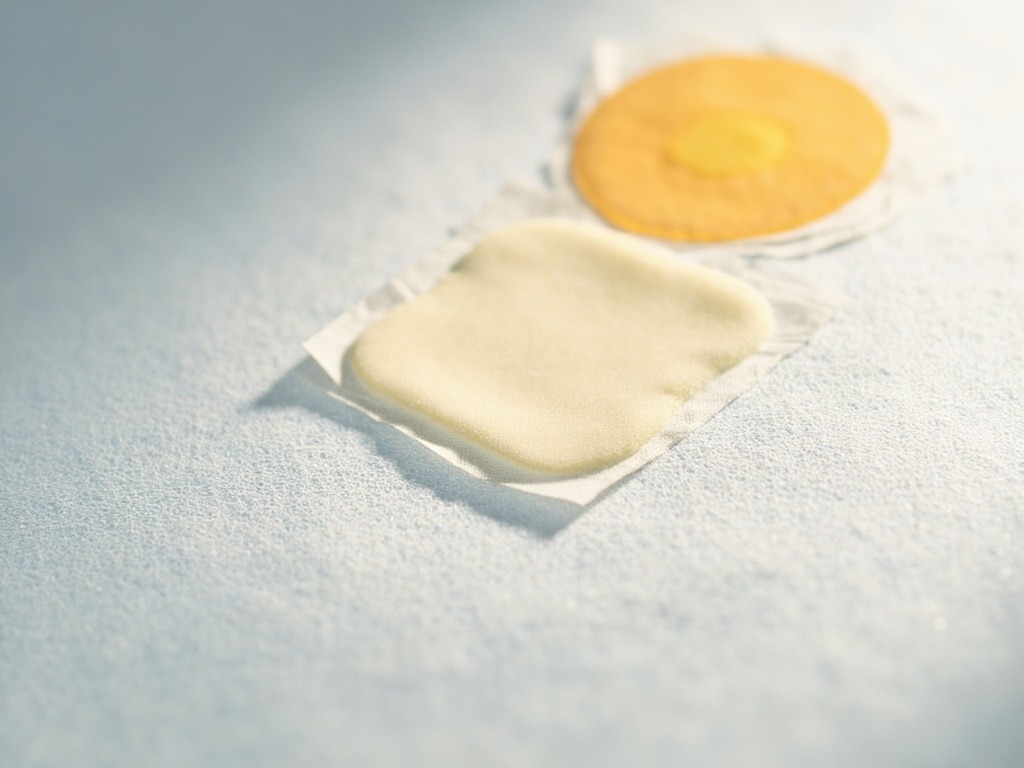
Best for: pharmaceutical procurement teams, B2B wellness brands, clinical-development groups, hospital suppliers, and parents evaluating pediatric cooling-patch programs.
A transdermal patch contract manufacturer develops, scales, tests, and packages adhesive systems that deliver an active ingredient through the skin or provide a local topical effect. Buyers should assess formulation capability, coating control, adhesive performance, stability data, quality systems, and regulatory fit before approving a supplier.
The distinction between a true transdermal drug-delivery system and a conventional topical patch matters. A transdermal product is designed to move a defined dose across the skin into systemic circulation. A topical patch may act mainly at the application site, while cooling, warming, cosmetic, or hydrogel patches may make no drug-delivery claim at all. The intended claim determines the development program, evidence burden, manufacturing controls, and market authorization route.
What should a contract manufacturer be able to do?
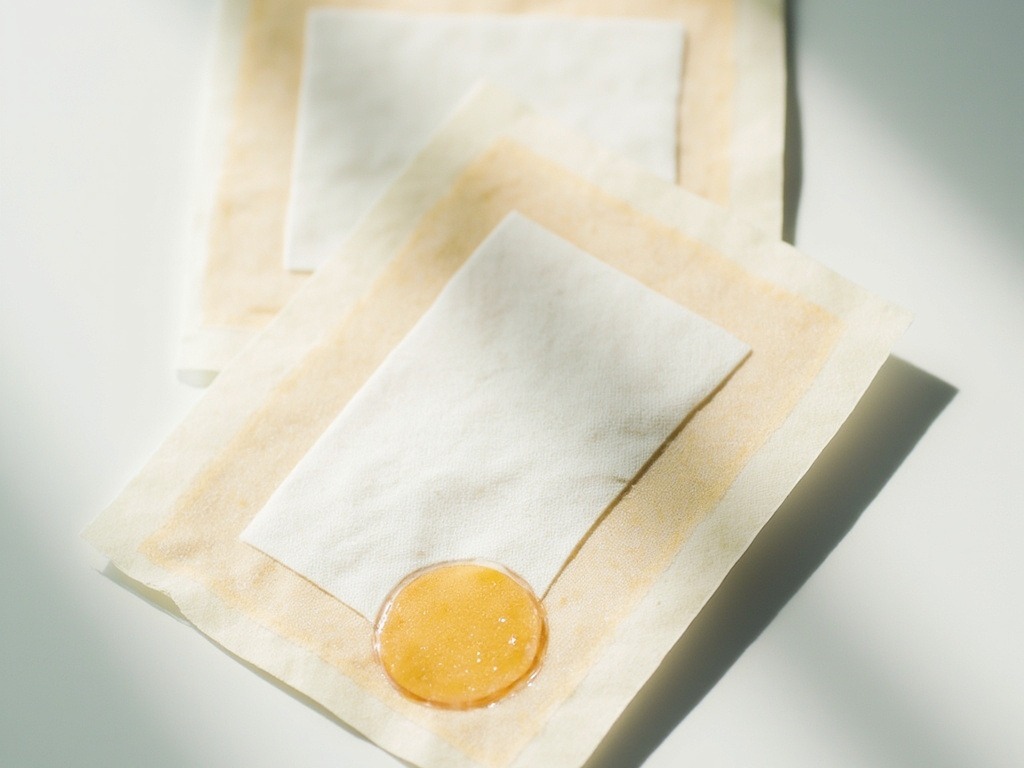
A capable partner should understand the complete patch system rather than treating it as a piece of coated fabric. Typical work includes active-ingredient compatibility studies, polymer and adhesive screening, release-liner selection, coating, drying or curing, die cutting, pouch sealing, stability testing, and batch documentation.
For regulated drug products, the manufacturer should also address content uniformity, residual solvents, impurities, release rate, adhesion, cold flow, crystallization, microbial limits, and package integrity. The US FDA's guidance on Transdermal and Topical Delivery Systems: Product Development and Quality Considerations discusses product design, adhesion, in vitro testing, manufacturing controls, and lifecycle quality expectations. FDA's current good manufacturing practice requirements in 21 CFR Parts 210 and 211 remain central for drug production in the United States.
B2B specification framework
| Parameter | Typical specification | Buyer notes |
|---|---|---|
| Patch construction | Drug-in-adhesive, matrix, reservoir, or hydrogel | Select according to dose, release profile, safety, and regulatory pathway. |
| Backing layer | PET, PE film, PU film, nonwoven fabric, or laminate | Confirm breathability, flexibility, occlusion, and compatibility with the formulation. |
| Adhesive system | Acrylic, silicone, hydrocolloid, or rubber-based | Screen for skin tolerance, active compatibility, edge lift, and residue after removal. |
| Patch dimensions | Custom die-cut geometry; commonly 10-200 cm² | Dose, body contour, wear time, and packaging equipment can limit usable dimensions. |
| Coat weight | Defined in mg/cm² with validated tolerances | Request in-process measurements and batch-uniformity data rather than a nominal target alone. |
| Wear period | Common targets range from 4 to 24 hours | The final claim must be supported by formulation, adhesion, release, and clinical evidence. |
| Primary package | Heat-sealed foil or barrier-laminate pouch | Evaluate moisture, oxygen, light, solvent loss, seal integrity, and child-resistant needs. |
| Stability program | Long-term, accelerated, and in-use studies | Conditions should follow the target market and ICH Q1A(R2) principles where applicable. |
| Order scale | Laboratory samples, pilot lots, then commercial batches | Ask whether the same coating and converting principles are used at every scale. |
Adhesion, release, and safety evidence
Patch adhesion is a performance attribute, not a cosmetic preference. Poor contact with the skin may alter drug delivery, while excessive adhesion can damage skin during removal. The FDA recommends evaluating adhesion throughout the proposed wear period under conditions that reflect normal use. Relevant laboratory methods may include ASTM D3330 for peel adhesion, ASTM D3654 for shear adhesion, and ASTM D6195 for tack, although finished-product methods must be justified for the specific patch.
Release testing should also match the product's mechanism. USP General Chapter <724> addresses drug release from semisolid and other dosage forms, including transdermal systems, while USP <905> provides a framework for dosage-unit uniformity. A buyer should request actual method descriptions, acceptance criteria, and representative results. A certificate listing only patch weight and dimensions is not enough for a drug-delivery product.
Clinical evidence must be interpreted carefully. A Cochrane review of transdermal nicotine replacement found that nicotine replacement therapy improves smoking-cessation outcomes compared with control treatment, demonstrating that a validated transdermal system can provide clinically useful systemic delivery. That evidence does not prove that an unrelated herbal, analgesic, sleep, or wellness patch works. Each active, dose, indication, and product design needs its own evidence.
Skin compatibility deserves equal attention. Peer-reviewed literature in journals such as Contact Dermatitis documents irritant and allergic reactions associated with adhesives, excipients, and active ingredients in transdermal systems. Depending on product classification, the development plan may include irritation, sensitization, adhesion, residual testing, toxicological assessment, and clinical evaluation. ISO 10993 principles may inform biological evaluation when device components or combination-product pathways apply.
Body-part placement mini-matrix
| Body area | Apply when appropriate | Avoid or use caution |
|---|---|---|
| Upper outer arm | Flat, clean, dry, relatively hair-free skin | Vaccination sites, rashes, cuts, heavy hair, or tight sleeve friction |
| Upper back | Useful when reduced hand access discourages tampering | Spinal prominences, broken skin, and areas compressed by straps |
| Chest | Only when allowed by the approved product instructions | Breast tissue, irritated skin, implanted-device sites, and heat exposure |
| Abdomen | Broad, low-movement area for products whose labeling permits it | Waistbands, folds, scars, navel, and recently shaved skin |
| Hip or flank | Often suitable for discreet wear on intact skin | Pressure points, tight clothing, and repeated placement on one site |
| Knee or shoulder | May suit local topical products specifically designed for joints | Do not place systemic patches over highly mobile joints unless labeling permits it |
| Forehead | Common for non-drug cooling hydrogel sheets | Eyes, mucous membranes, wounds, and use as a substitute for medical fever assessment |
Placement instructions must come from the finished product's approved labeling. Sites are not interchangeable because skin thickness, movement, temperature, hair, pressure, and blood flow can change adhesion or absorption. The FDA also warns that external heat can increase drug delivery from some transdermal systems. Heating pads, hot-water bottles, saunas, and prolonged intense sunlight may therefore create overdose risk for heat-sensitive products.
A three-step sourcing funnel
- Sample: Define the target market, intended claim, active or functional ingredients, patch size, wear period, packaging format, and annual forecast. Ask for laboratory samples plus preliminary adhesion, compatibility, and release observations.
- Pilot: Produce an engineering or pilot lot on equipment representative of commercial production. Review coat-weight uniformity, assay, impurities, appearance, die-cut accuracy, pouch seals, adhesion, release data, and accelerated-stability trends before locking the specification.
- Bulk: Approve commercial production only after methods, raw-material specifications, master records, change-control responsibilities, release criteria, artwork, traceability, complaint handling, and quality agreements are documented.
Questions to ask during supplier qualification
Can the manufacturer support the intended regulatory category?
Ask for experience with the same category, not merely with products that look similar. Drug, device, cosmetic, and general-wellness patches may share converting equipment but require different claims, controls, files, and evidence.
Will the formula remain stable in the adhesive?
Demand compatibility and stability data. Actives can crystallize, degrade, migrate into backing materials, react with adhesives, or escape through inadequate packaging. These failures may appear only after storage.
How are changes controlled?
The quality agreement should require notice before changes to raw-material suppliers, adhesive grades, coating parameters, analytical methods, packaging structures, equipment, or manufacturing sites. Uncontrolled substitutions can invalidate stability and regulatory data.
Can the supplier scale without changing product behavior?
Laboratory coating may not predict commercial drying, solvent removal, web tension, mixing, or coat-weight variation. Compare pilot and bulk-process parameters, then require justified comparability criteria.
Start an OEM development program
Henan Hanmeng Bio-Tech supports custom patch development, material selection, pilot production, private-label packaging, and commercial-scale supply. Discuss your formulation, target market, testing needs, and forecast through the transdermal patch contract manufacturer OEM program.

CATEGORIES
LATEST NEWS
- Sinew-Bone Pain-Bi Patch Private Label Manufacturer Supply Agreements
- What Hand Mask Custom Packaging Supplier Quotes Overlook
- Kids Herbal Foot Patch Contract Manufacturer: Safety Specifications First
- Mugwort Steam Eye Mask Private Label Manufacturer Readiness Check
- Mugwort Essential Oil Custom Formula Supplier: Formulation Approval Milestones
CONTACT US
QQ: 396269538
Phone: 17796669065
Tel: 17796669065
Email: 396269538
Add: Room 001, 1st Floor, Building 1, Zhengzhou Hangmei International Smart City, Intersection of S102 and Nanquan Road, Xuedian Town, Xinzheng City, Zhengzhou, Henan Province, China