Industry news
Pain Relief Patches for Arthritis: 7 Specifications, 5 Placement Zones, and a 3-Step Sourcing Funnel for 2026 B2B Buyers
Industry news 2026-07-21 10:27:33 144 views admin
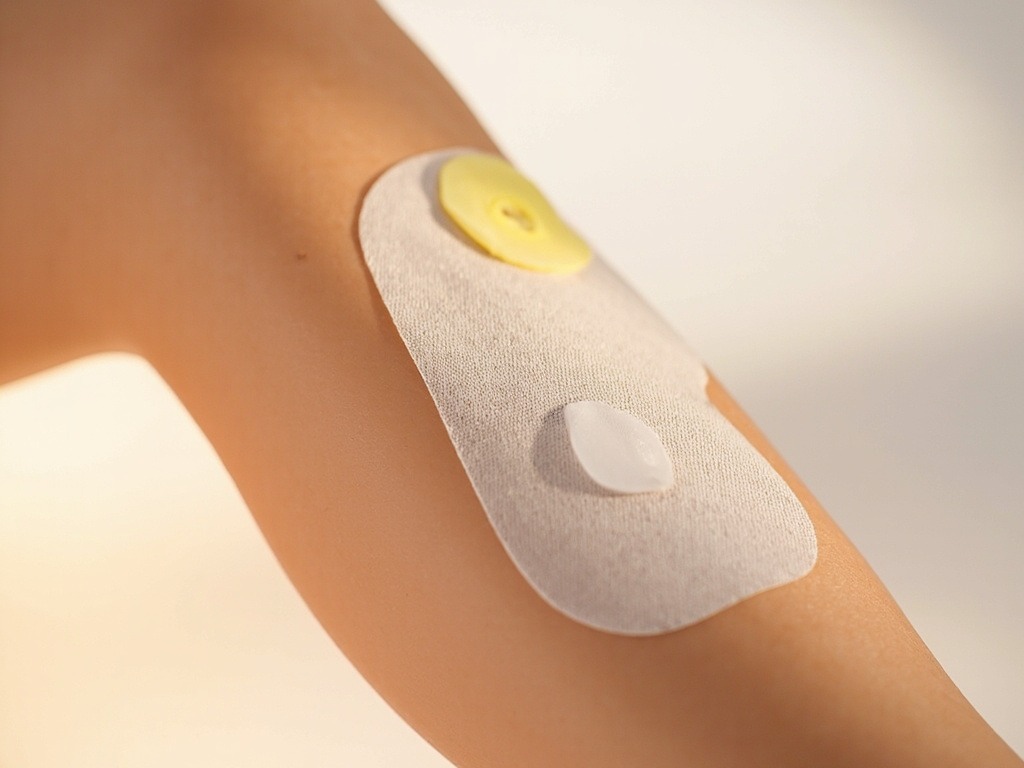
Best for: B2B procurement managers sourcing OTC analgesic patches, clinical pharmacists building formularies, private-label brand owners, hospital group purchasing organizations, and OEM distributors targeting the North American and EU musculoskeletal-care market.
What "Pain Relief Patches for Arthritis" Actually Means in 2026
Pain relief patches for arthritis are transdermal or topical adhesive devices that deliver an active analgesic — typically methyl salicylate, menthol, capsaicin, lidocaine, or non-steroidal anti-inflammatory drugs such as diclofenac — directly to the skin overlying an affected joint. Unlike oral NSAIDs, which carry well-documented gastrointestinal and cardiovascular risks documented in the Cochrane Database of Systematic Reviews (2018, CD007402) and the BMJ meta-analysis by Bhala et al. (2013), topical patches produce localized drug concentrations with measurably lower systemic exposure. The U.S. Food and Drug Administration first approved a prescription diclofenac epolamine patch (Flector) in 2007, and over-the-counter menthol and lidocaine patches now hold combined U.S. retail sales above USD 1.4 billion annually according to Nielsen-reported OTC category data.
For B2B buyers, the decision context in 2026 is shaped by three forces: (1) tightening EU Medical Device Regulation (MDR 2017/745) classification rules for transdermal systems, (2) the Lancet Rheumatology 2024 commission calling for non-opioid first-line therapy in osteoarthritis, and (3) rising distributor demand for low-irritation, latex-free, hypoallergenic adhesive systems suitable for sensitive elderly skin. A buyer evaluating suppliers today must weigh pharmacologic profile, adhesive biocompatibility, regulatory dossier readiness, and OEM/private-label flexibility as a single integrated package — not as four separate checklists.
Key Specifications
| Parameter | Specification | Buyer Notes |
|---|---|---|
| Active ingredient options | Methyl salicylate 10–30%, menthol 3–10%, capsaicin 0.025–0.075%, lidocaine 4–5%, diclofenac 1.3% (Rx) | Confirm target market monograph; diclofenac topical is Rx-only in U.S./EU, OTC in some APAC regions. |
| Patch dimensions | 7×10 cm, 10×14 cm, 14×20 cm standard; custom die-cut available | Larger patches lower per-unit cost but raise single-dose drug exposure; verify regional dosing caps. |
| Adhesive system | Acrylic pressure-sensitive adhesive (PSA), latex-free, hypoallergenic | ASTM F2148 and ISO 10993-5/-10 biocompatibility data should accompany every shipment. |
| Wearing time | 8 h, 12 h, or 24 h depending on formulation | Longer wear increases skin-maceration risk; capsaicin products typically cap at 8 h. |
| Shelf life & storage | 24–36 months sealed; store below 25 °C, <60% RH | Request accelerated aging data (40 °C / 75% RH for 6 months = 24-month claim). |
| Regulatory dossier | FDA OTC monograph (menthol/methyl salicylate), CE-MDR Class I/IIa, Health Canada NHP, TGA Australia | Class IIa MDR requires Notified Body involvement; budget 6–9 months for first certification. |
| MOQ & lead time | Standard SKU 5,000–10,000 units; custom OEM 20,000+; 30–45 days production | Confirm whether the supplier holds safety stock of finished goods or builds to order only. |
Body-Part Placement Matrix
| Body Area | Apply | Avoid |
|---|---|---|
| Knee (medial/lateral joint line) | Place directly over the tender joint line; bend the knee slightly during application for adhesion. | Avoid the popliteal fossa — high sweat accumulation causes premature lift. |
| Lower back (lumbar paraspinals) | Apply to the most painful paraspinal trigger point; 10×14 cm or larger is recommended for L4–S1 coverage. | Do not place over the spine midline if the patient has suspected disc herniation awaiting imaging. |
| Shoulder (deltoid/AC joint) | Anchor on the deltoid with the arm adducted; secure the leading edge first. | Avoid placing across the AC joint line — shear forces cause edge lift within 4 hours. |
| Wrist & hand (CMC, MCP joints) | Use smaller die-cut shapes; cut slits at the thumb web for dexterity. | Avoid wrapping circumferentially — circulation restriction and contact dermatitis risk rise sharply. |
| Neck (cervical paraspinals) | Apply to the upper trapezius; limit diclofenac and methyl salicylate patches here due to systemic absorption. | Never apply over the anterior cervical triangle — carotid bifurcation and thyroid exposure. |
| Hip / greater trochanter | Anchor on the trochanteric bursa with hip in neutral; expect 6–8 h wear in active patients. | Avoid placing over the inguinal crease — moisture and shear cause failure in <3 h. |
| Foot / ankle (Achilles, plantar) | Apply dorsolaterally for ankle OA; remove before weight-bearing exercise. | Avoid plantar surface during ambulation — pressure points shear the adhesive within minutes. |
Three-Step Sourcing Funnel
- Sample (1–4 weeks): Request 50–200 finished samples plus the full technical dossier — Certificate of Analysis, ISO 13485 certificate, MSDS, adhesive biocompatibility summary, and at least one peer-reviewed or clinical-evaluation report. Run an in-house wear test on at least 10 volunteers for 12–24 h, scoring adhesion, irritation, and odor. Reject suppliers who cannot produce lot-traceable CoAs within 48 hours.
- Pilot (2–4 months): Order 2,000–5,000 units across at least two SKUs (e.g., lidocaine 4% + menthol 5%). Validate label compliance in your target market, confirm cold-chain or ambient-shipping performance, and conduct a small-scale consumer or patient survey (n ≥ 30). Lock the supplier's quality agreement, including audit rights and recall-response timelines.
- Bulk (6+ months, recurring): Negotiate a 12-month volume commitment with price breaks at 50k, 100k, and 250k units. Require second-source qualification of the active pharmaceutical ingredient, agree on a forecast-and-replenishment cadence, and pre-clear artwork and private-label tooling. Final-batch retention samples should be stored by both parties for the full shelf life plus 12 months.
How does methyl salicylate compare with lidocaine for osteoarthritis?
Methyl salicylate produces a counter-irritant warming effect and is supported by FDA's external analgesic monograph for minor arthritis pain; lidocaine works through sodium-channel blockade with stronger evidence in localized neuropathic and post-herpetic pain. Clinical evidence for lidocaine 5% patches in knee osteoarthritis specifically is thinner — most positive RCTs come from neuropathic cohorts. For buyers targeting elderly osteoarthritis patients, a dual-active menthol + methyl salicylate formulation typically delivers the best adherence-versus-efficacy balance.
What regulatory pathway applies to private-label arthritis patches?
If the formulation matches an FDA OTC monograph (menthol, methyl salicylate, capsaicin), the private-label product can usually enter the U.S. market via the OTC monograph framework without an NDA. The EU MDR route is more demanding: most transdermal pain patches are Class IIa under Rule 3, requiring a Notified Body conformity assessment. Plan 9–14 months end-to-end for a first EU launch.
Which adhesive reduces skin reactions in sensitive users?
Acrylic pressure-sensitive adhesives consistently outperform rubber-based and silicone adhesives in 24-hour wear studies for irritation profile. ASTM F2148 and ISO 10993-10 (sensitization) data should be requested for any acrylic system being considered for elderly or diabetic cohorts.
Can bulk OEM orders include custom active-ingredient concentrations?
Yes, but custom concentrations move the product off OTC monograph status in most jurisdictions, triggering drug-product registration. Confirm with the supplier whether their facility is GMP-certified for the dosage form and whether they can support a pilot stability study (ICH Q1A) before committing to commercial volumes.
What is the realistic shelf life and how should distributors store stock?
Standard shelf life is 24–36 months in unopened sachets at controlled room temperature (below 25 °C, <60% relative humidity). Distributors should avoid warehouse temperatures above 30 °C — methyl salicylate patches in particular show phase separation above this threshold, which compromises dose uniformity.
Manufacturer Reference
Henan Hanmeng Bio-Tech manufactures pain relief patches for arthritis in a GMP-certified facility, supplying OEM and private-label clients across North America, Europe, and Southeast Asia. Active-ingredient options span menthol, methyl salicylate, capsaicin, lidocaine, and diclofenac, with custom die-cut sizes, low-MOQ pilot runs, and full regulatory dossier support. Request a quotation and technical samples at Henan Hanmeng Bio-Tech — Pain Relief Patches for Arthritis OEM. Visit the company homepage at https://www.patchbiohn.com.
CATEGORIES
LATEST NEWS
- Sinew-Bone Pain-Bi Patch Private Label Manufacturer Supply Agreements
- What Hand Mask Custom Packaging Supplier Quotes Overlook
- Kids Herbal Foot Patch Contract Manufacturer: Safety Specifications First
- Mugwort Steam Eye Mask Private Label Manufacturer Readiness Check
- Mugwort Essential Oil Custom Formula Supplier: Formulation Approval Milestones
CONTACT US
QQ: 396269538
Phone: 17796669065
Tel: 17796669065
Email: 396269538
Add: Room 001, 1st Floor, Building 1, Zhengzhou Hangmei International Smart City, Intersection of S102 and Nanquan Road, Xuedian Town, Xinzheng City, Zhengzhou, Henan Province, China