Industry news
Cost TENS Unit Patches: Price, Specifications, Placement, and OEM Sourcing Guide
Industry news 2026-07-20 05:30:58 144 views admin
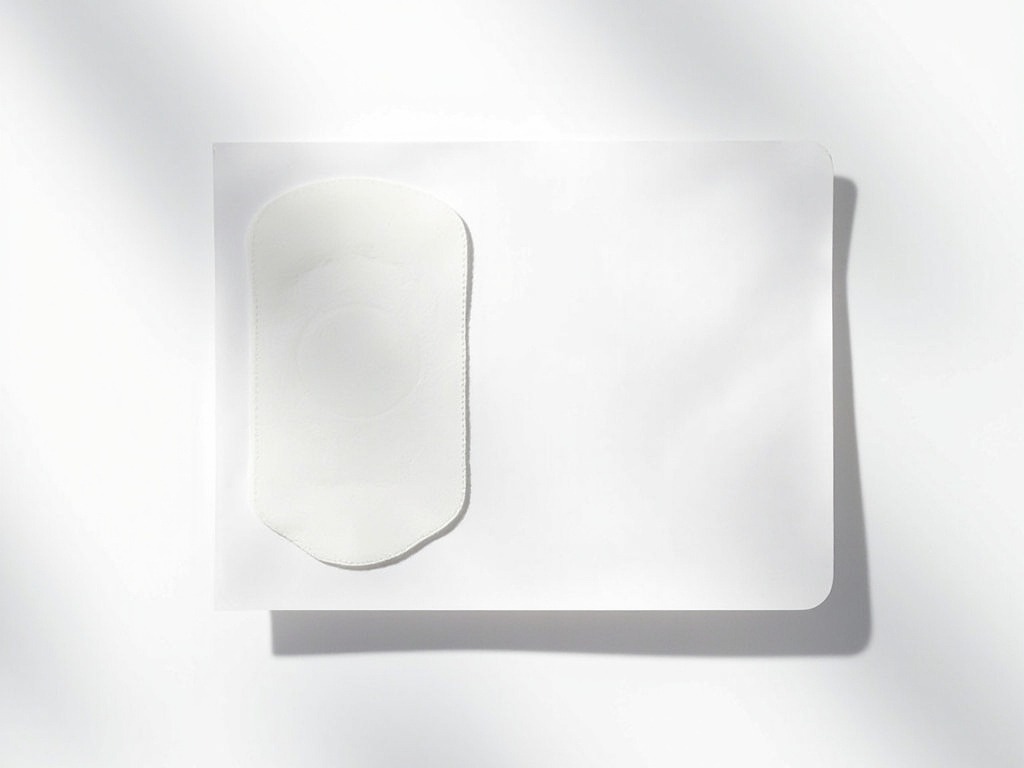
Best for: B2B medical-device buyers, physiotherapy and rehabilitation clinics, private-label distributors, sports-care brands, and parents or home users comparing replacement electrode costs.
Cost TENS unit patches typically range from about US$0.20 to US$3.00 per pair at retail, while factory pricing depends on electrode size, conductive gel, connector type, packaging, order volume, and quality documentation. The patches are reusable adhesive electrodes, not medicine-delivery patches, and they must be connected to a compatible transcutaneous electrical nerve stimulation device.
The price per patch matters, but cost per treatment is the more useful comparison. A low-priced electrode that loses adhesion after two sessions may cost more than a better hydrogel electrode that remains usable for multiple applications. Clinical buyers should also evaluate electrical performance, skin compatibility, packaging integrity, traceability, and device compatibility before selecting a supplier.
What Determines the Cost of TENS Unit Patches?
A TENS patch normally combines a flexible backing, conductive carbon layer, lead or snap connection, conductive hydrogel, and release liner. Larger electrodes require more material, while contoured shapes and reinforced connectors add converting steps. Individual foil pouches cost more than bulk zipper bags but provide better protection against moisture loss and contamination during storage.
- Size and shape: Standard square electrodes are usually less expensive than butterfly, cervical, knee, or long-strip formats.
- Hydrogel formulation: Gel tack, conductivity, water retention, and skin-contact performance affect both price and reuse potential.
- Connector: Common choices include 2.0 mm pin, 3.5 mm snap, proprietary snap, and integrated lead wire.
- Packaging: Bulk packs reduce unit cost; individual pouches improve hygiene, labeling space, and distribution control.
- Order quantity: Printing, tooling, validation, and setup costs are spread across more units in a bulk order.
- Quality evidence: Biocompatibility work, electrical tests, aging studies, and lot documentation increase development cost but reduce procurement risk.
B2B Specification Table for TENS Electrode Patches
| Parameter | Typical Specification | Procurement Notes |
|---|---|---|
| Electrode size | Commonly 40 × 40 mm, 50 × 50 mm, or custom | Match the treatment area and current-density requirements. |
| Conductive interface | Reusable conductive hydrogel | Request tack, impedance, moisture-retention, and aging data. |
| Backing | Nonwoven, foam, or flexible polymer film | Flexibility and edge lift can vary by body contour. |
| Connection | 2.0 mm pin, snap, or custom lead wire | Confirm mechanical and electrical compatibility with the target unit. |
| Packaging | Resealable bag or foil pouch | The package should limit drying and protect the gel surface. |
| Skin-contact assessment | Risk-based ISO 10993 evaluation | The required endpoints depend on contact type and duration. |
| Electrical testing | Resistance or impedance and current-distribution checks | Agree on methods, conditioning, sampling, and acceptance limits. |
| Shelf life | Supplier-validated period | Do not accept an unsupported shelf-life claim; review aging evidence. |
How to Compare Price Per Session
Use a simple calculation: package price divided by the number of electrode pairs, then divide that figure by the verified or realistically achieved reuse count. For example, a US$12 package containing six pairs costs US$2 per pair. If each pair performs acceptably for eight sessions, the electrode cost is US$0.25 per session. If a cheaper US$1 pair lasts only two sessions, its session cost is US$0.50.
Reuse is not a fixed promise. It changes with skin oil, hair, sweat, storage, cleaning practices, gel chemistry, and treatment location. Follow the electrode and stimulator manufacturers’ instructions. Replace a patch when adhesion becomes uneven, the gel dries or becomes contaminated, the connector is damaged, or stimulation feels irregular.
Body-Part Placement Mini-Matrix
| Body Area | Apply | Avoid |
|---|---|---|
| Lower back | On intact skin around the painful muscular area as instructed | Broken, numb, infected, or severely irritated skin |
| Knee | Around the joint on secure, comfortable surfaces | Directly over wounds or where movement repeatedly lifts the edge |
| Shoulder | Around the deltoid or upper-back region under professional guidance | Configurations that direct current across the chest |
| Neck | Posterior muscular areas only when the device instructions permit | Front or sides of the neck and carotid-sinus region |
| Forearm or wrist | On intact skin with cables secured against pulling | Placement that impairs grip, circulation, or normal movement |
| Calf | Around muscular discomfort when clinically appropriate | Unexplained swelling, suspected clot, or impaired sensation |
Do not place electrodes on the head, over the eyes or mouth, across the chest, or on the front or sides of the neck. People with implanted electronic devices, pregnancy, epilepsy, impaired sensation, or uncertain symptoms should obtain device-specific medical advice. FDA consumer information also warns that electrical stimulators can cause skin irritation or burns beneath electrodes and may interfere with implanted devices.
What Does Clinical Evidence Say About TENS?
TENS is used as a noninvasive adjunct for pain management, but an electrode patch is only one component of the treatment system. Clinical outcome depends on diagnosis, electrode placement, pulse settings, treatment duration, device output, and patient response.
A 2022 systematic review and meta-analysis in BMJ Open, known as the meta-TENS study, evaluated 381 randomized controlled trials and reported moderate-certainty evidence that pain intensity was lower during or immediately after TENS than placebo, without serious adverse events being reported. The authors also emphasized substantial variation among studies. Earlier Cochrane reviews have reached more cautious conclusions for particular conditions because trials were often small or clinically heterogeneous. Buyers should therefore avoid absolute claims such as “works for every pain” or “replaces medical treatment.”
Safety and Quality Questions for Suppliers
- Is the electrode intended for one patient, and what reuse instructions are supported?
- What electrical test method and acceptance limits apply to each production lot?
- How is hydrogel consistency controlled during coating and die cutting?
- Has the skin-contacting construction been evaluated under an ISO 10993 risk-management plan?
- What packaging test supports seal integrity and resistance to drying?
- Can the supplier provide lot traceability, change control, and complaint-handling records?
For packaging development, ASTM F88/F88M provides a recognized method for seal-strength testing of flexible barrier materials, while ASTM F1980 addresses accelerated aging of sterile barrier systems. These standards do not automatically prove suitability for every nonsterile electrode package, but they offer useful test principles when a buyer defines packaging requirements and shelf-life evidence.
Three-Step Sourcing Funnel: Sample to Pilot to Bulk
- Sample: Compare two or three electrode constructions on the intended TENS units. Check connector fit, initial tack, comfort, removal, visible gel transfer, and impedance before and after representative reuse.
- Pilot: Order a controlled pilot lot with agreed dimensions, pouch material, artwork, inspection criteria, and traceability. Test transport exposure, package resealing, gel moisture retention, and user instructions.
- Bulk: Approve a signed specification, reference sample, quality agreement, sampling plan, labeling files, and change-control process before scaling. Monitor complaints and lot trends instead of selecting purely on the lowest quotation.
Frequently Asked Questions
Are expensive TENS patches always better?
No. A higher price may reflect better hydrogel, packaging, documentation, or branding, but cost alone does not establish performance. Compare compatible connectors, adhesion, electrical consistency, skin response, reuse behavior, and price per treatment.
Can TENS electrode patches be shared?
They generally should not be shared between users. Skin-contact electrodes can accumulate oils, hair, debris, and microorganisms. Follow the product labeling and clinical infection-control policy.
Can dried electrodes be restored with water?
Do not add water, gel, or other substances unless the manufacturer explicitly permits it. Uncontrolled rehydration can alter adhesion, conductivity, current distribution, and hygiene.
Medical and Industry References
- Johnson MI, Paley CA, Jones G, Mulvey MR, Wittkopf PG. “Efficacy and safety of transcutaneous electrical nerve stimulation for acute and chronic pain in adults: a systematic review and meta-analysis of 381 studies.” BMJ Open. 2022;12:e051073. https://doi.org/10.1136/bmjopen-2021-051073
- Gibson W, Wand BM, O’Connell NE. “Transcutaneous electrical nerve stimulation (TENS) for chronic pain.” Cochrane Database of Systematic Reviews. 2017;4:CD011890. https://doi.org/10.1002/14651858.CD011890.pub2
- U.S. Food and Drug Administration. “Electronic Muscle Stimulators.” https://www.fda.gov/medical-devices/consumer-products/electronic-muscle-stimulators
- ASTM International. ASTM F88/F88M, Standard Test Method for Seal Strength of Flexible Barrier Materials. https://www.astm.org/f0088_f0088m.html
- ASTM International. ASTM F1980, Standard Guide for Accelerated Aging of Sterile Barrier Systems and Medical Devices. https://www.astm.org/f1980.html
Develop a Custom TENS Electrode Patch
Henan Hanmeng Bio-Tech supports B2B discussions covering electrode dimensions, hydrogel construction, connector compatibility, pouch format, private-label artwork, pilot evaluation, and bulk production planning.
Request Cost TENS Unit Patch OEM Options Contact the OEM Team
Published by Henan Hanmeng Bio-Tech | Medical patch and private-label manufacturing information for global buyers.
CATEGORIES
LATEST NEWS
- Sinew-Bone Pain-Bi Patch Private Label Manufacturer Supply Agreements
- What Hand Mask Custom Packaging Supplier Quotes Overlook
- Kids Herbal Foot Patch Contract Manufacturer: Safety Specifications First
- Mugwort Steam Eye Mask Private Label Manufacturer Readiness Check
- Mugwort Essential Oil Custom Formula Supplier: Formulation Approval Milestones
CONTACT US
QQ: 396269538
Phone: 17796669065
Tel: 17796669065
Email: 396269538
Add: Room 001, 1st Floor, Building 1, Zhengzhou Hangmei International Smart City, Intersection of S102 and Nanquan Road, Xuedian Town, Xinzheng City, Zhengzhou, Henan Province, China